The Best Homemade Clam Chowder Recipe
Recipe
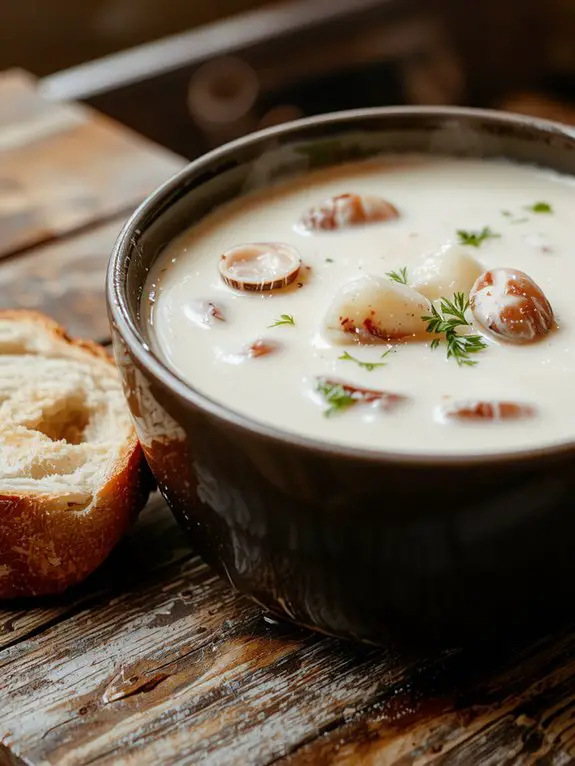
There’s nothing quite like a bowl of homemade clam chowder—creamy, comforting, and packed with briny-sweet flavor that puts any restaurant version to shame.
This recipe is my go-to for chilly nights, lazy Sundays, or anytime I need a taste of coastal comfort without leaving my kitchen.
The secret? Fresh clams (or high-quality canned ones in a pinch), a splash of white wine for depth, and just the right amount of cream to keep it rich but not heavy.
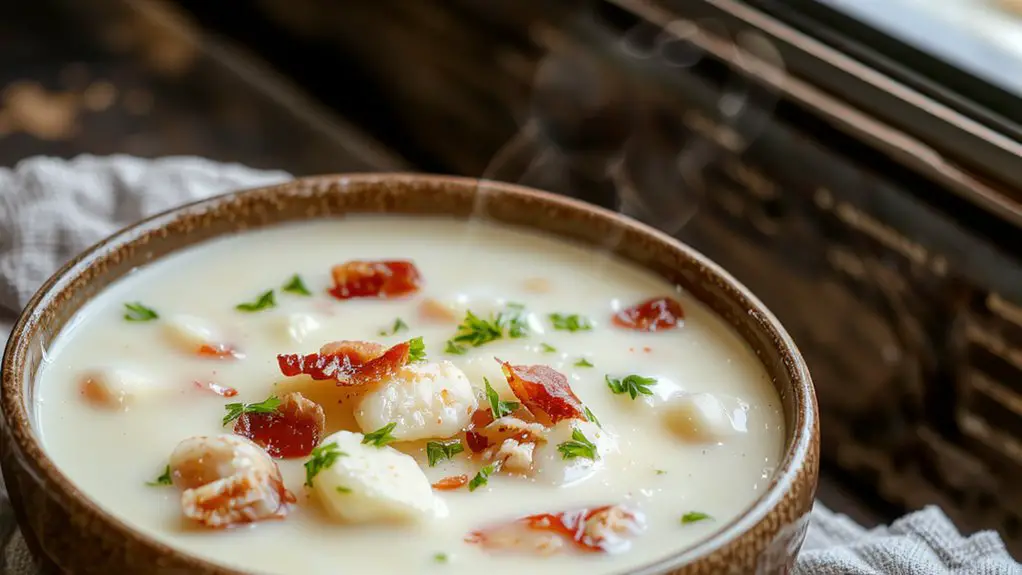
One spoonful of this velvety chowder, studded with tender potatoes and smoky bacon, and you’ll swear off the canned stuff forever.
Trust me, it’s easier to make than you think, and the payoff is a pot of pure, soul-warming deliciousness.
Let’s get cooking!
Ingredients
Fresh, high-quality ingredients are the backbone of a stellar clam chowder. Using the best you can find guarantees a rich, flavorful result that’s worth the effort. Here’s what you’ll need, along with some chef-approved tips and swaps to make this dish shine.
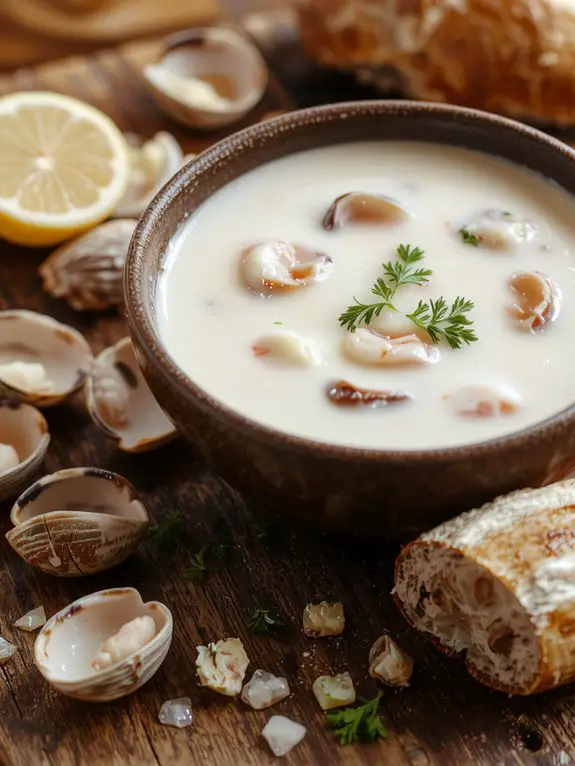
- Fresh Clams (or Canned in a Pinch): Fresh clams are ideal for their briny sweetness, but if they’re unavailable, high-quality canned clams work just fine. Reserve the liquid—it’s liquid gold for flavor.
- Bacon: Thick-cut bacon adds smokiness and depth. If you’re out of bacon, pancetta is a great substitute.
- Onion and Celery: These aromatic veggies form the base of the soup. Yellow onions work best, but shallots can step in for a sweeter note.
- Garlic: Fresh garlic is non-negotiable—it brings a punch of flavor that powdered garlic just can’t match.
- Potatoes: Yukon Golds are the star here—they’re creamy and hold their shape well. Russets can work in a pinch, but they’ll break down more.
- Heavy Cream: This is what gives the chowder its luxurious richness. If you’re looking for a lighter option, half-and-half can be used, but expect a slightly thinner consistency.
- Butter: Unsalted butter is key for sautéing and adding depth. Don’t skimp—it’s the secret to the soup’s velvety texture.
- Flour: All-purpose flour is used for thickening the chowder. For a gluten-free option, cornstarch works, but adjust the quantity as it thickens more intensely.
- Clam Juice or Seafood Broth: If you’re using fresh clams, clam juice enhances the seafood flavor. No clam juice? A good-quality seafood broth will do the trick.
- Thyme and Bay Leaf: These herbs add subtle earthiness. Fresh thyme is best, but dried works in a pinch—just use half the amount.
- Fresh Parsley: A sprinkle of chopped parsley at the end brightens the dish. If you don’t have it, chives or a squeeze of lemon juice can add a similar freshness.
- Oyster Crackers (Optional): A classic garnish for clam chowder, these add a satisfying crunch.
Pro Tip: For an extra layer of flavor, consider adding a splash of white wine when cooking the aromatics—it’s a chef’s secret for depth and complexity.
How to Make the Best New England Clam Chowder
- Add the garlic and thyme, stirring for just 30 seconds until fragrant. Garlic burns easily, so keep the heat moderate.
- Sprinkle in the flour, stirring constantly to coat the veggies. Cook for 1-2 minutes to eliminate raw flour taste—this thickens the chowder later.
- Slowly whisk in the clam juice and broth, scraping up any browned bits from the pot. These bits = bonus flavor!
- Simmer the base for 10 minutes to let flavors meld and the mixture thicken slightly. Stir occasionally to prevent sticking.
- Add the diced potatoes and cook until tender, about 15 minutes. Test with a fork—they should yield easily but not crumble.
- Stir in the clams and cream, heating gently until warmed through (about 5 minutes). Overheating can curdle the cream—keep it below a boil.
- Season to taste with salt, pepper, and a dash of hot sauce if you like a kick. Remember: clams can be salty, so taste before adding more salt.
- Serve hot, topped with crispy bacon and fresh parsley. For best texture, enjoy immediately—the potatoes will absorb liquid if left too long.
Pro Tip: For a smoother chowder, blend half the soup before adding clams and cream.
Want it thicker? Mash a few potatoes against the pot. Too thick? Thin with extra broth.
Nutrition
This homemade clam chowder is a hearty and flavorful dish that provides essential nutrients. Here’s the nutritional breakdown per serving.
| Nutrient | Amount per Serving |
|---|---|
| Calories | 320 kcal |
| Total Fat | 18 g |
| Saturated Fat | 8 g |
| Cholesterol | 45 mg |
| Sodium | 850 mg |
| Total Carbohydrates | 25 g |
| Dietary Fiber | 2 g |
| Sugars | 4 g |
| Protein | 15 g |
| Vitamin D | 2 mcg |
| Calcium | 120 mg |
| Iron | 2 mg |
| Potassium | 400 mg |
Chef Tips
For the best homemade clam chowder, I always start with fresh clams—they make all the difference in flavor. I sauté onions and celery in bacon fat to build depth, then add garlic for aroma.
Use clam juice and cream sparingly to avoid overpowering the broth. Simmer gently to meld flavors without curdling.
Finish with a sprinkle of fresh parsley or chives for brightness. Stick to these steps, and you’ll nail it.
Frequently Asked Questions
Can I Use Frozen Clams Instead of Fresh?
I’d definitely use frozen clams if fresh aren’t available. They’re convenient and still deliver great flavor; just thaw and drain them well before adding. I’ve found they work perfectly in recipes, especially hearty chowders.
How Long Does Clam Chowder Last in the Fridge?
Clam chowder lasts 3-4 days in the fridge if stored properly in an airtight container. I always make sure to refrigerate it within 2 hours of cooking to keep it fresh and safe to eat.
Can I Make This Recipe Dairy-Free?
Yes, I can make it dairy-free by swapping milk or cream for alternatives like coconut milk, almond milk, or oat milk. I’d also skip butter and use olive oil or vegan butter to keep it creamy.
What Sides Pair Well With Clam Chowder?
I’d pair clam chowder with crusty sourdough, oyster crackers, or a crisp green salad. A side of steamed veggies or roasted garlic bread works too. If I’m feeling fancy, I’ll add a charcuterie board.
Is It Safe to Reheat Clam Chowder?
Yes, it’s safe to reheat clam chowder if stored properly. I’d recommend heating it gently on the stove or in the microwave, stirring occasionally, and ensuring it reaches 165°F to kill any bacteria. Don’t reheat it more than once.


