The Best Homemade Coconut Cake Recipe
Recipe
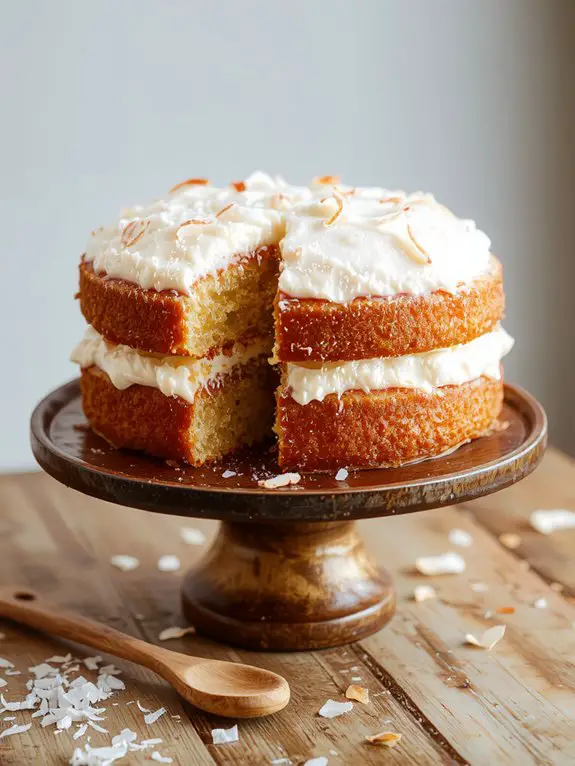
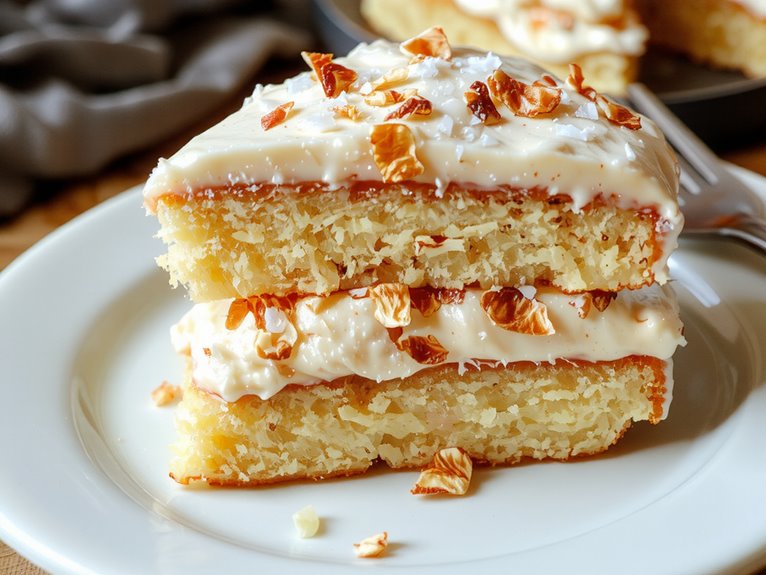
I can confidently say this homemade coconut cake is a showstopper—moist, tender, and bursting with tropical flavor that will have everyone reaching for seconds. What makes it truly special? Freshly grated coconut and a touch of coconut milk in the batter, which take the flavor to another level.
Plus, the dreamy coconut cream cheese frosting is rich, silky, and just the right amount of sweet. Every bite is a perfect balance of light, fluffy cake and creamy decadence.
Trust me, if you’re craving coconut, this is the recipe you need. It’s easier than you think, and the results are pure bakery-level magic. Let’s get baking—you’re going to love this!
Ingredients
For a truly irresistible coconut cake, the ingredients matter—this isn’t just about tossing things together. The right balance guarantees a moist, fluffy crumb with that unmistakable tropical richness. Let’s break it down so you nail it on the first try.
Dry Ingredients:
- 1 ½ cups all-purpose flour – The backbone; measure it properly (spoon & level!).
- 1 ½ tsp baking powder – Lifts the cake *just* enough without drying it out.
- ¼ tsp salt – Balances the sweetness; don’t skip it.
Wet Ingredients:
- ¾ cup coconut milk (full-fat!) – Canned is best for richness; shake well before using.
- ½ cup unsalted butter, softened – Room temp is key for a smooth batter.
- 1 cup granulated sugar – Fine sugar blends better for a tender texture.
- 3 large eggs – Also room temp—cold eggs can curdle the batter.
- 1 tsp vanilla extract – Pure, not imitation, for depth.
- ½ tsp coconut extract – Optional but *highly* recommended for extra punch.
Mix-Ins & Garnish:
- 1 cup shredded coconut (sweetened or unsweetened) – Toast half for garnish—trust me, it’s worth the 5 extra minutes.
- Optional: ¼ cup coconut cream – Fold into frosting for next-level flavor.
Substitutions:
- No coconut milk? Use whole milk + 1 tbsp melted butter (but the cake won’t be as rich).
- Out of coconut extract? Double the vanilla, but expect a milder coconut taste.
- Vegan? Swap butter for coconut oil and eggs for flax eggs (though texture will be denser).
Non-Negotiables:
- Full-fat coconut milk – Light versions make the cake dry.
- Toasted coconut garnish – It’s not just pretty; the nutty crunch elevates every bite.
Little Wins:
- Brush baked layers with warm coconut milk before frosting—it keeps them insanelymoist.
- A pinch of citric acid in the frosting brightens the sweetness.
How to Make the Best Exact Recipe Name Usage
– Alternate adding the dry ingredients and 1 cup coconut milk to the butter mixture, starting and ending with the dry ingredients. Mix until just combined.
*Pro Tip:* Adding in stages prevents clumping and overmixing. Overmixing = dense cake!
– Gently fold in 1 cup shredded coconut.
*Why It Matters:* Folding preserves air in the batter, keeping the cake light.
– Divide the batter evenly between the prepared pans and smooth the tops with a spatula.
*Visual Cue:* The batter should be thick but pourable. Tap pans gently on the counter to release air bubbles.
– Bake for 25-30 minutes, or until a toothpick inserted into the center comes out clean.
*Watch Out:* Avoid opening the oven door too early—it can cause the cake to sink.
– Let the cakes cool in the pans for 10 minutes, then transfer to a wire rack to cool completely.
*Why It Matters:* Cooling in the pans prevents cracking, but leaving them too long can make them soggy.
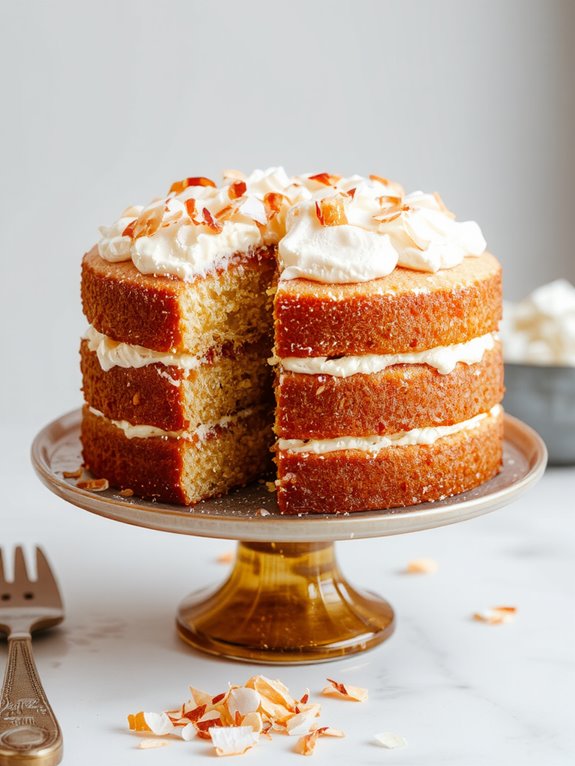
– Frost with your favorite buttercream or cream cheese frosting and sprinkle with toasted coconut for garnish.
*Time-Saving Trick:* Make frosting while the cakes cool to streamline the process.
Nutrition
| Nutrition | Per Serving |
|---|---|
| Calories | 350 kcal |
| Protein | 4 g |
| Fat | 18 g |
| Carbohydrates | 43 g |
| Sugar | 30 g |
| Fiber | 1 g |
| Sodium | 280 mg |
Chef Tips
When baking a coconut cake, I’ve found that using freshly grated coconut instead of dried enhances both flavor and texture. I always toast the coconut lightly before adding it to the batter for a richer taste.
Be sure to sift your dry ingredients to avoid lumps.
For a moist cake, I recommend brushing the layers with coconut milk syrup before frosting.
Cool completely before assembling.
Frequently Asked Questions
Can I Use Coconut Milk Instead of Coconut Extract?
Yes, I can use coconut milk instead of coconut extract, but I’ll adjust the liquid in the recipe to avoid it being too wet. Coconut milk adds creaminess and subtle flavor, while extract is more concentrated.
How Do I Store Leftover Coconut Cake?
I’d store leftover coconut cake in an airtight container at room temp for 2 days or in the fridge for up to 5 days. If it’s frosted, I’d chill it to keep the frosting fresh.
Can I Make This Cake Gluten-Free?
Yes, I can make this cake gluten-free by swapping the regular flour for a gluten-free blend. I’ll guarantee it’s labeled gluten-free and check other ingredients like baking powder to avoid cross-contamination.
What’s the Best Frosting to Pair With Coconut Cake?
I think a creamy coconut frosting works best—it’s light, sweet, and complements the cake’s flavor. If I’m feeling fancy, I’ll add a hint of lime zest or toasted coconut flakes for extra texture and brightness.
How Long Does It Take to Bake the Cake?
I’d bake the cake for about 25-30 minutes, but I always check with a toothpick to make sure it’s done. If it comes out clean, I take it out; otherwise, I give it a few more minutes.