The Best Homemade Cooking Goulash Recipe
Recipe
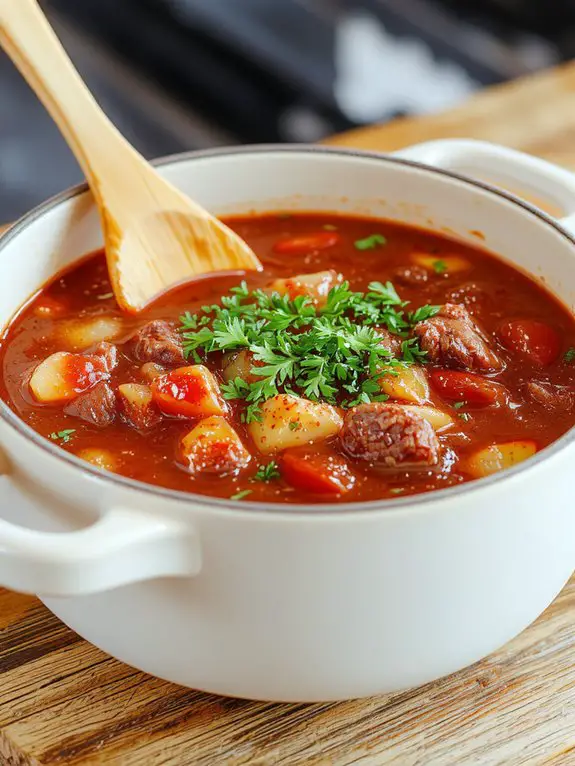
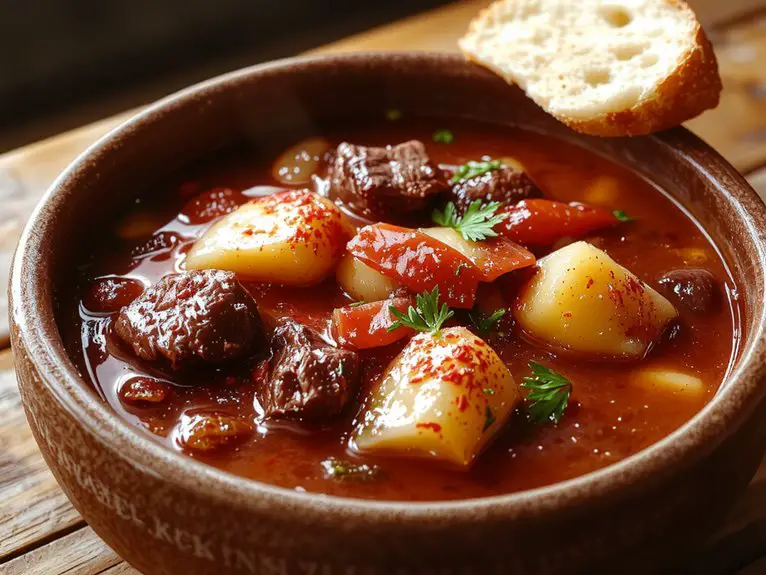
If there’s one dish that’s guaranteed to warm your soul and fill your kitchen with mouthwatering aromas, it’s this homemade goulash. I’ve made this recipe more times than I can count, and it’s always a hit—whether it’s a cozy family dinner or a gathering with friends.
What sets it apart is the perfect balance of tender beef, smoky paprika, and a rich, savory broth that clings to every bite of pasta. It’s comfort food at its finest, with a depth of flavor that’s hard to resist.
Trust me, once you try this version, you’ll never go back to the bland stuff. It’s hearty, satisfying, and surprisingly easy to whip up—even on a busy weeknight.
Let’s jump right in and make something unforgettable.
Ingredients
When it comes to making the perfect goulash, the right ingredients are key. This hearty dish thrives on bold flavors and tender textures, so choosing the best components will make all the difference. Whether you’re sticking to tradition or adding your own twist, here’s what you’ll need—plus insider tips to elevate your goulash game.
- Beef chuck or stew meat: Opt for well-marbled cuts—they break down beautifully during slow cooking, adding richness to the dish.
- Onions: A must-have for building a deep, savory base—don’t skimp! Sauté until golden for maximum flavor.
- Garlic: Fresh is best here; it adds a punch of aromatic depth that powdered garlic can’t match.
- Bell peppers (red or green): Adds sweetness and a pop of color. Use whatever you have on hand.
- Tomatoes: Canned crushed tomatoes work perfectly, but fresh ripe tomatoes are a great substitute if in season.
- Paprika: This is the star spice—use sweet Hungarian paprika for authenticity, but smoked paprika can add a smoky twist.
- Caraway seeds: A Non-Negotiable for traditional goulash, they bring a subtle earthy flavor.
- Beef broth: Homemade or store-bought, it’s the liquid base that ties everything together. Swap with chicken broth if needed.
- Potatoes: Russets or Yukon Golds work best—they hold their shape while absorbing the flavors of the stew.
- Olive oil or butter: Use for sautéing; butter adds richness, while olive oil keeps it lighter.
- Bay leaves: A Little Win that infuses the dish with a subtle herbal note.
Optional Extras:
- Sour cream: A dollop on top adds creaminess and tang.
- Fresh parsley: Sprinkle for a bright, fresh finish.
- Hot paprika or chili flakes: For those who like a bit of heat.
Feel free to adapt based on what’s in your pantry—goulash is forgiving and endlessly customizable!
How to Make the Best Traditional Hungarian Goulash Preparation
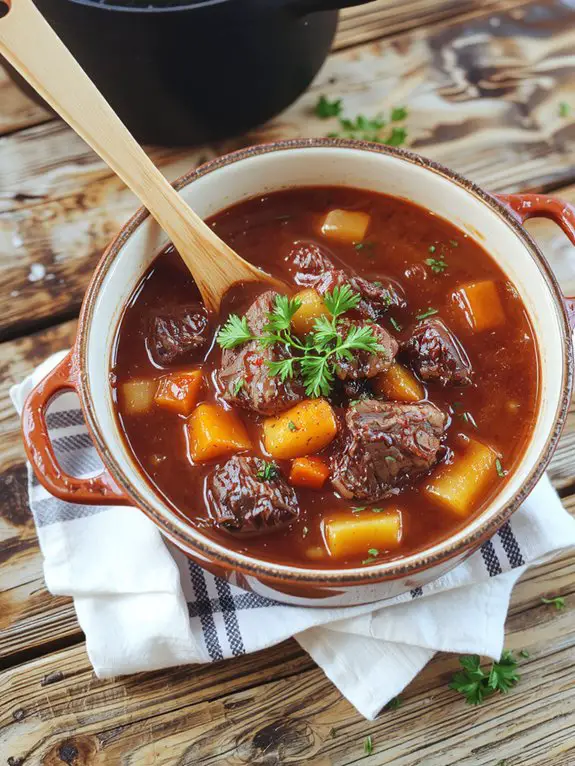
- Add chopped onions and garlic, sautéing until soft and fragrant. This builds the aromatic base of the dish.
- Stir in paprika, caraway seeds, and tomato paste. The paprika is the star of the dish, so toast it briefly to release its oils and enhance its flavor.
- Deglaze with broth, scraping up any browned bits from the bottom of the pot. Those bits are packed with flavor and shouldn’t be wasted.
- Simmer the goulash, covered, for about 1.5 to 2 hours. This low-and-slow cooking tenderizes the beef and melds the flavors.
Stir occasionally to prevent sticking.
- Add chopped peppers and potatoes about 30 minutes before the end of cooking. These ingredients cook faster and should be added later to avoid becoming mushy.
- Adjust seasoning with salt and pepper to taste. Remember, goulash should have a robust, savory flavor, so don’t be shy with seasoning.
- Serve hot with a side of crusty bread or a dollop of sour cream. This completes the dish and balances the rich flavors.
Nutrition
Goulash is a hearty dish that offers a balanced mix of macronutrients. Below is the nutritional information per serving.
| Nutrient | Amount per serving |
|---|---|
| Calories | 350 kcal |
| Protein | 20 g |
| Fat | 12 g |
| Carbohydrates | 35 g |
| Fiber | 4 g |
| Sodium | 800 mg |
Chef Tips
I’ve found that preparing goulash can be made even better with a few practical tricks. Brown the meat thoroughly for deeper flavor, and don’t rush the onions—caramelizing them adds sweetness.
Use high-quality paprika, as it’s the heart of the dish. Simmer it low and slow to let the flavors meld.
A splash of vinegar or a dollop of sour cream at the end brightens the richness perfectly.
Frequently Asked Questions
Can I Use a Slow Cooker for Goulash?
Yes, I can use a slow cooker for goulash—it’s perfect for letting the flavors meld. I just brown the meat and sauté the onions first, then let everything simmer on low for 6-8 hours. It turns out tender and delicious.
What’s the Best Cut of Beef for Goulash?
I prefer using chuck roast for goulash because it’s flavorful and becomes tender when cooked low and slow. It’s got just the right amount of marbling, which keeps the dish rich and satisfying every time.
How Long Can I Store Leftover Goulash?
I store leftover goulash in an airtight container; it lasts 3-4 days in the fridge or up to 3 months in the freezer. I always reheat it thoroughly before eating to keep it safe and tasty.
Can I Freeze Goulash for Later Use?
Yes, I can freeze goulash for later use. I’ll let it cool completely, portion it into airtight containers or freezer bags, and store it for up to 3 months. I’ll thaw it in the fridge before reheating.
What Sides Pair Well With Goulash?
I’d serve goulash with crusty bread, egg noodles, or mashed potatoes to soak up the sauce. A crisp side salad or pickled veggies add freshness, and a dollop of sour cream brings creaminess to balance the flavors.


