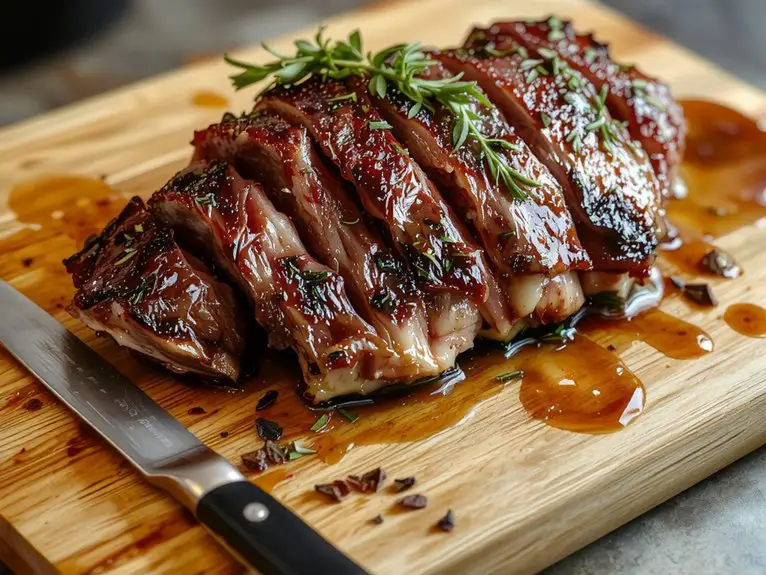
The Best Homemade Cottage Pie Recipe
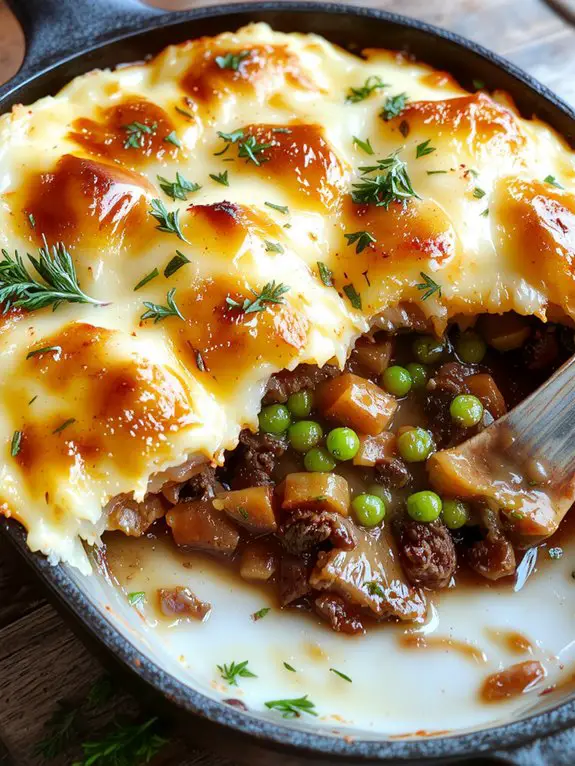
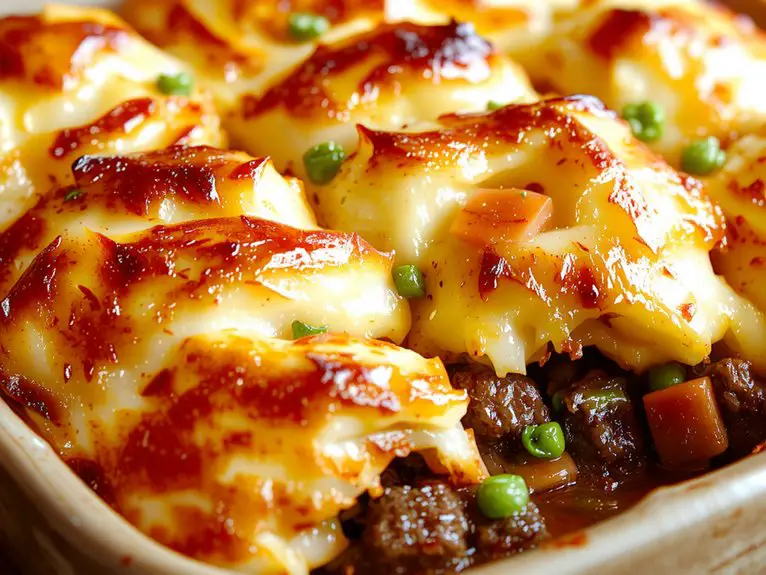
Recipe
There’s something undeniably comforting about a well-made cottage pie—tender ground beef simmered in rich gravy, sweet carrots and peas, all tucked under a golden blanket of buttery mashed potatoes.
This isn’t just any weeknight dinner; it’s the kind of meal that feels like a warm hug after a long day. What makes this version special? A splash of Worcestershire sauce deepens the savory notes, while a touch of sharp cheddar in the mash adds just the right amount of indulgence.
Trust me, once you take that first bite—crispy-edged potatoes giving way to the hearty filling beneath—you’ll understand why this dish has been a family favorite for generations.
And the best part? It’s simple enough for a busy night but impressive enough to serve to guests. Let’s get cooking!
Ingredients
The secret to a truly unforgettable cottage pie lies in the quality of its ingredients—each layer should sing with flavor. While the dish is forgiving, a few key elements will take it from good to legendary. Here’s what you’ll need, along with insider tricks to make it shine.
For the Meat Filling:
- Ground beef (80/20 blend) – The fat content keeps it juicy. For a richer taste, swap with ground lamb.
- Yellow onion, finely diced – Sweetness balances the savory meat. Red onion works in a pinch, but yellow is ideal.
- Carrots & celery, diced small – These add texture and subtle sweetness. Don’t skip them—they’re the backbone of flavor.
- Garlic, minced – Fresh is non-negotiable. Pre-minced jars lack punch.
- Tomato paste – Deepens the umami. Cook it until it darkens slightly for maximum impact.
- Worcestershire sauce – A splash adds depth. Vegan Worcestershire works if you’re avoiding anchovies.
- Beef stock – Homemade or high-quality store-bought. Low-sodium lets you control the seasoning.
- Fresh thyme & rosemary – Dried herbs can sub, but fresh herbs elevate the dish.
For the Mashed Potato Topping:
- Russet or Yukon Gold potatoes – Russets are fluffier; Yukons are creamier. Peel them for the smoothest texture.
- Butter, unsalted – Salted butter can make the topping too salty. Adjust seasoning separately.
- Heavy cream or whole milk – Cream delivers luxury, but milk works if you’re lightening it up.
- Egg yolk (optional) – Whisked in at the end for a golden, slightly firmer crust.
Little Wins:
- Grated Parmesan or sharp cheddar – Sprinkle over the potatoes before baking for a crispy, cheesy crust.
- Peas – Stir a handful into the meat filling for pops of sweetness and color.
- Fresh parsley – A garnish adds brightness and makes it look restaurant-worthy.
Pro Tip: Let the filling cool slightly before topping with potatoes—this prevents a soggy layer. And always bake until the peaks of the mash are golden and crisp!
How to Make the Best Classic Cottage Pie Title
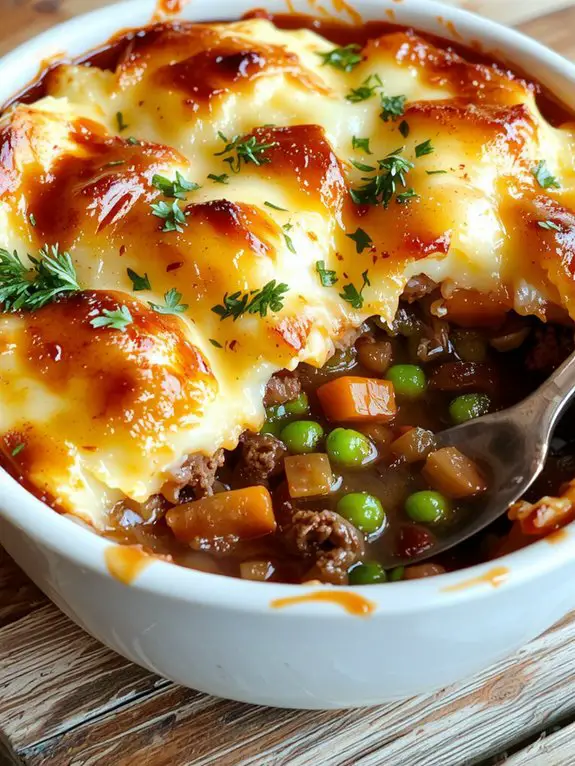
– Prepare the mashed potatoes – Use smooth, creamy mashed potatoes for the topping. If reheating leftover mashed potatoes, add a splash of milk or cream to restore their texture.
Pro tip: Mix in grated cheese for extra richness.
– Transfer the beef filling to a baking dish – Spread it evenly to create a consistent layer.
A 9×13-inch dish works well, but adjust based on the quantity of filling.
– Top with mashed potatoes – Spoon the potatoes over the filling and spread them gently with a spatula.
For a rustic look, use a fork to create peaks that will crisp up in the oven.
– Bake for 20-25 minutes – Check for a golden-brown crust and bubbling filling around the edges.
If the top isn’t browning, broil for 1-2 minutes, watching closely to prevent burning.
– Let cool for 10 minutes before serving – This allows the pie to set, making it easier to slice and serve.
Pair with steamed vegetables or a fresh salad for a complete meal.
Nutrition
Cottage pie is a hearty dish that provides a good balance of protein, carbohydrates, and fats. Here’s a nutritional breakdown per serving:
| Nutrient | Amount |
|---|---|
| Calories | 350 |
| Protein | 20g |
| Carbohydrates | 30g |
| Fat | 15g |
| Fiber | 4g |
| Sugar | 6g |
| Sodium | 500mg |
Chef Tips
Beyond its nutritional value, mastering cottage pie comes down to a few practical techniques. I always dice my vegetables finely so they cook evenly, and I brown the meat properly for depth of flavor.
Don’t skip deglazing the pan—it adds richness. For the mash, I use warm cream and butter to keep it smooth.
Finally, I bake until the top is golden and crispy. It’s simple but thoughtful steps make all the difference.
Frequently Asked Questions
Can I Freeze Cottage Pie After Baking?
Yes, I can freeze cottage pie after baking. I let it cool completely, wrap it tightly in foil or plastic, and store it in an airtight container. It keeps well for up to three months.
What’s the Difference Between Cottage Pie and Shepherd’s Pie?
The difference? Cottage pie uses ground beef, while shepherd’s pie is made with lamb. Both have mashed potato toppings, but I always check the meat to know which one I’m making or eating.
Can I Use Sweet Potatoes Instead of Regular Potatoes?
Yes, you can use sweet potatoes instead of regular potatoes—they’ll add a slightly sweeter flavor and more nutrients. I’d recommend mashing them with butter and a pinch of salt to balance the taste. It’s a delicious twist!
How Long Does Cottage Pie Last in the Fridge?
I’d keep cottage pie in the fridge for up to 3-4 days if it’s stored in an airtight container. Make sure it’s cooled properly before refrigerating to keep it fresh and safe to eat later.
Can I Make Cottage Pie Ahead of Time?
Yes, I can make cottage pie ahead of time. I’ll assemble it, cover it tightly, and store it in the fridge for up to 2 days before baking. If frozen, it’ll keep well for about 3 months.