The Best Homemade Crawfish Etouffee Recipe
Recipe
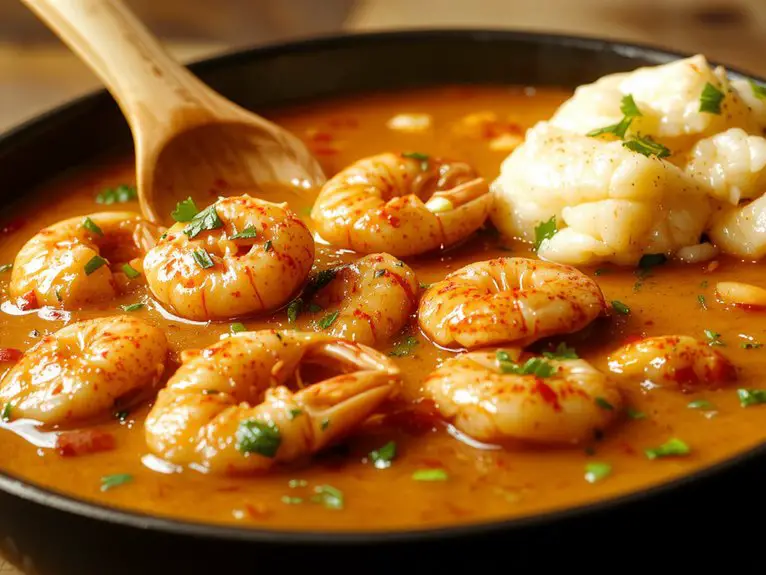
If there’s one recipe that feels like a warm hug from Louisiana, it’s this Homemade Crawfish Etouffee.
I’ve made this dish countless times, and I can confidently say it’s foolproof and packed with flavor.
The secret? A rich, buttery roux and fresh crawfish tails that melt in your mouth.
Trust me, once you try this version, you’ll never go back to takeout.
It’s creamy, slightly spicy, and loaded with earthy Cajun goodness—perfect for impressing guests or treating yourself to a little Southern comfort.
Plus, it’s easier to make than you’d think.
Grab your apron and let’s get cooking—your taste buds are about to thank you.
Ingredients
For a crawfish étouffée that’s rich, flavorful, and authentically Louisiana-style, the ingredients matter—it’s all about layering flavors and using the right components. Here’s what you’ll need, along with some insider tips to make sure your dish shines:
- Crawfish tails (1 pound) – Fresh or frozen, but fresh-shelled crawfish tails are ideal for that sweet, tender bite. If you can’t find crawfish, shrimp makes a great substitute.
- Butter (1/2 cup) – Unsalted butter is a must for controlling the saltiness and creating a silky base for the roux.
- Flour (1/4 cup) – All-purpose flour is key for thickening the étouffée. Don’t skip it—it’s the foundation of the roux.
- Holy Trinity (1 cup) – A mix of finely chopped onion, bell pepper, and celery. This trio is non-negotiable for authentic Creole flavor.
- Garlic (3 cloves, minced) – Fresh garlic adds depth. Powder won’t cut it here.
- Green onions (1/2 cup, chopped) – For a fresh, oniony finish. Use the green tops for garnish.
- Chicken or seafood stock (2 cups) – Homemade or store-bought, but seafood stock enhances the dish’s flavor profile.
- Tomato paste (2 tablespoons) – Adds a touch of sweetness and richness. No substitutes here—it’s essential.
- Cajun seasoning (1 tablespoon) – Use a high-quality blend or make your own. Adjust to taste, but don’t skimp—it’s the soul of the dish.
- Hot sauce (1 teaspoon) – Adds a kick. Use your favorite brand, but Tabasco is a classic choice.
- Worcestershire sauce (1 teaspoon) – For that umami punch. Lea & Perrins is the go-to.
- Bay leaves (2) – Adds subtle complexity. Remove them before serving.
- Salt and black pepper – Season to taste. Always taste as you go!
- Cooked rice – For serving. Jasmine or long-grain rice works best.
Pro Tip: If you’re feeling adventurous, add a splash of sherry or white wine to deglaze the pan after sautéing the holy trinity—it adds a layer of sophistication to the dish.
How to Make the Best Authentic Crawfish Etouffee Recipe
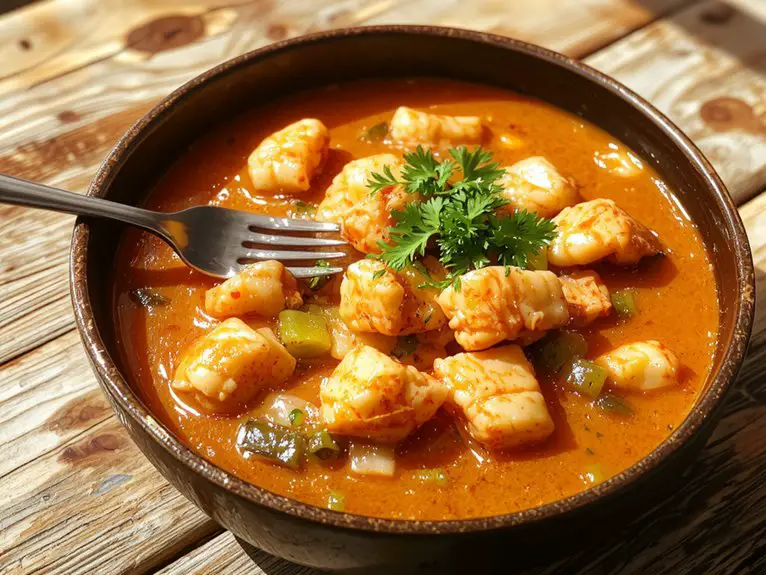
- Finish with fresh herbs – Stir in chopped parsley or green onions for a burst of freshness. This adds brightness to the dish and balances the richness of the sauce.
- Serve and enjoy – Ladle the etouffee over steamed rice or alongside crusty French bread. Garnish with extra herbs or a squeeze of lemon for a zesty touch.
Pro Tip: If you’re short on time, use store-bought rotisserie chicken broth instead of homemade stock—it’s a quick flavor boost.
Watch-Out Warning: Avoid overcrowding the skillet when sautéing the vegetables; this can make them steam instead of sauté, leading to a less flavorful dish.
Flexibility: For a spicier kick, add a splash of hot sauce or extra cayenne pepper.
If crawfish isn’t available, shrimp or crab make excellent substitutes. Adjust cooking times slightly based on the protein you choose.
Nutrition
Crawfish etouffee is a flavorful Louisiana dish made with a rich roux, fresh vegetables, and tender crawfish tails. Below is the nutritional breakdown per serving.
| Nutrient | Amount per Serving |
|---|---|
| Calories | 350 kcal |
| Protein | 25 g |
| Fat | 15 g |
| Carbohydrates | 30 g |
| Fiber | 2 g |
| Sugar | 5 g |
| Sodium | 800 mg |
| Cholesterol | 150 mg |
Chef Tips
When making crawfish etouffee, I always recommend starting with a well-cooked roux—it’s the foundation of the dish’s flavor. Cook it slowly until it’s peanut butter-colored for depth.
Use fresh crawfish tails if possible, but frozen work too. Don’t rush the simmering; let flavors meld.
Finish with green onions for brightness. Adjust spice with cayenne, but balance it—you want heat, not burn.
Serve over rice.
Frequently Asked Questions
Can I Substitute Shrimp for Crawfish?
Yes, I can substitute shrimp for crawfish if I prefer or don’t have crawfish available. Shrimp works well in étouffée, though the flavor will be slightly different. I’ll adjust cooking time to avoid overcooking the shrimp.
How Do I Store Leftover Etouffee?
I store leftover etouffee in an airtight container and refrigerate it for up to three days. If I want to keep it longer, I freeze it in portions for up to three months, reheating gently when needed.
Can I Freeze Crawfish Etouffee?
Yes, I can freeze crawfish etouffee. I’ll let it cool completely, then store it in airtight containers or freezer bags. When reheating, I thaw it overnight in the fridge and gently warm it on the stove.
What’s the Best Rice to Serve With Etouffee?
I always think long-grain white rice works best with etouffee—it’s fluffy and absorbs the flavors perfectly. Sometimes, I’ll use jasmine or basmati for a fragrant twist, but plain white rice is my go-to choice.
Is Etouffee Gluten-Free?
Etouffee can be gluten-free, but it depends on how I make it. Traditional recipes use a roux with flour, which isn’t gluten-free, but I can swap for gluten-free flour or cornstarch. Always double-check my ingredients.


