The Best Homemade Creamy Mac and Cheese Recipe
Recipe
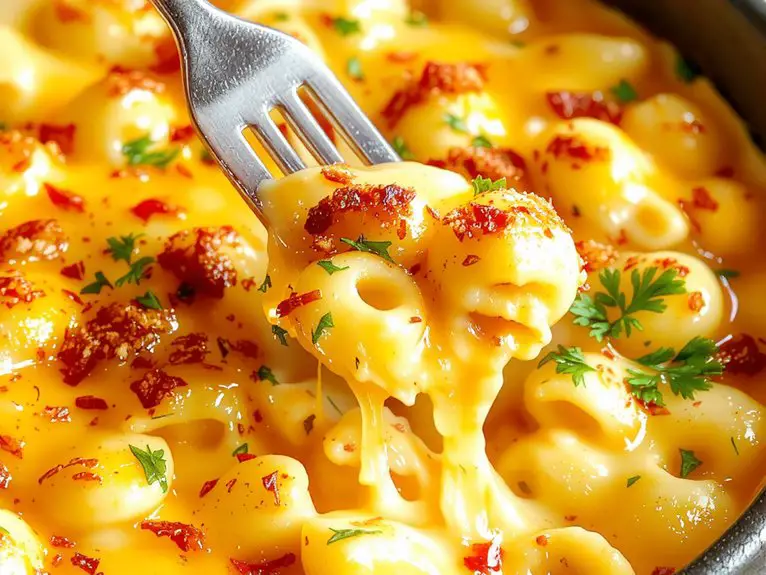
This homemade mac and cheese recipe is the ultimate comfort food masterpiece—creamy, cheesy, and downright irresistible. Trust me, once you taste this version, you’ll never go back to the boxed stuff.
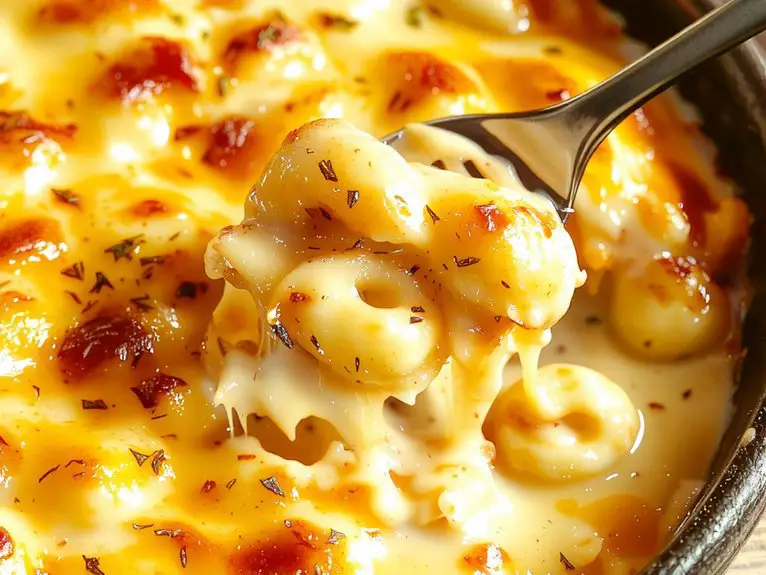
What makes it special? A combination of sharp cheddar, creamy Gruyère, and a hint of smoky paprika that takes the flavor to the next level. Plus, we bake it to golden perfection, creating that dreamy, crispy top layer that contrasts perfectly with the velvety noodles underneath.
I’ve been making this for years, and it’s always the first dish to disappear at family dinners or potlucks. The aroma alone will have everyone hovering around the oven.
Whether you’re a mac and cheese purist or love a little twist, this recipe is foolproof and oh-so-satisfying. Let’s get cheesy!
Ingredients
Creating the ultimate homemade mac and cheese starts with choosing the right ingredients. This dish thrives on high-quality components that balance creamy richness with bold flavor. Opt for sharp or aged cheeses for depth, and don’t shy away from experimenting with textures and flavors. Here’s everything you’ll need to craft a dish that’s comfort food perfection:
- Elbow macaroni – The classic shape holds sauce beautifully, but penne or cavatappi work as substitutes for a twist.
- Butter – Unsalted is key here; it lets you control the salt level while adding richness to the roux.
- All-purpose flour – Essential for creating a smooth roux, which forms the base of the creamy cheese sauce.
- Whole milk – For the creamiest sauce, whole milk is ideal. Avoid skim milk; it can make the sauce watery.
- Heavy cream – Adds luxurious richness. If you’re cutting calories, substitute with more milk, but expect a slightly lighter texture.
- Sharp cheddar cheese – The backbone of flavor. Grate it yourself for the best meltability—pre-shredded cheese contains anti-caking agents that can make the sauce grainy.
- Gruyère cheese – Adds a nutty, complex flavor. Parmesan or Fontina can step in if Gruyère isn’t available.
- Dry mustard powder – A pinch enhances the cheese flavor without being overtly noticeable.
- Paprika (optional) – Smoked paprika adds a subtle smoky depth, while sweet paprika lends a hint of warmth.
- Salt and freshly ground black pepper – Season to taste, but taste as you go—some cheeses are saltier than others.
- Breadcrumbs – Panko breadcrumbs are the top choice for a crispy, golden topping. Mix with melted butter for extra crunch.
Pro tip: Always shred your cheese fresh from a block—pre-shredded cheese doesn’t melt as smoothly.
And don’t skip the mustard powder; it’s the secret weapon that amps up the cheese flavor without overpowering the dish.
How to Make the Best Creamy Cheese Sauce Method
- Season thoughtfully – Add salt, pepper, and a pinch of mustard powder or nutmeg for depth. Taste and adjust before mixing with pasta—underseasoned cheese sauce tastes bland once baked.
- Combine pasta and sauce – Gently fold the cooked macaroni into the cheese sauce until evenly coated. Overmixing can break down the pasta.
- Transfer to baking dish – Spread the mixture into a greased 9×13-inch dish. For extra crunch, top with buttery breadcrumbs or extra cheese.
- Bake until bubbly – Bake at 375°F (190°C) for 20–25 minutes, or until the edges are golden and the center is creamy. Let rest 5 minutes before serving—this helps the sauce set slightly.
Pro Tips:
- Warm milk and room-temperature cheese melt more evenly.
- For a smoother sauce, grate your own cheese—pre-shredded contains anti-caking agents that can make sauces grainy.
- If baking isn’t preferred, skip the oven and serve stovetop mac and cheese immediately for maximum creaminess.
Watch Out:
- Don’t boil the cheese sauce—high heat can cause it to break or become oily.
- Avoid overbaking; the sauce will thicken as it cools.
Nutrition
Homemade mac and cheese is a comforting dish that provides a balance of macronutrients. Here’s the nutritional breakdown per serving:
| Nutrient | Amount per Serving |
|---|---|
| Calories | 450 kcal |
| Protein | 18 g |
| Fat | 22 g |
| Carbohydrates | 42 g |
| Fiber | 2 g |
| Sugar | 6 g |
| Sodium | 580 mg |
Chef Tips
Now that we’ve covered the nutritional side, let’s talk about how to make this mac and cheese even better. I always use freshly grated cheese for maximum creaminess, and I recommend combining sharp cheddar with a creamy cheese like Gruyère.
Cook the pasta al dente—it’ll finish cooking in the sauce. For extra richness, I stir in a dollop of cream cheese or crème fraîche before baking.
Frequently Asked Questions
Can I Use Gluten-Free Pasta?
Yes, I can use gluten-free pasta. It’ll work just like regular pasta, but I’ll make sure to follow the cooking instructions on the package since gluten-free options can vary in texture and cooking time.
How Do I Store Leftovers?
I store leftovers in an airtight container and keep them in the fridge for up to three days. To reheat, I add a splash of milk and warm it on the stove or microwave until creamy again.
Can I Freeze Mac and Cheese?
Yes, I can freeze mac and cheese. I’d avoid freezing creamy versions since the sauce might separate when thawed. If I freeze it, I’ll use an airtight container and consume it within 2-3 months for best quality.
What Cheese Substitutes Work Best?
I’d recommend using creamy substitutes like cashew cheese, nutritional yeast, or a blend of coconut milk and tapioca starch for a dairy-free option. They melt well and keep that rich texture I’m looking for.
Is This Recipe Kid-Friendly?
Yes, it’s totally kid-friendly! I’ve made it for my little ones, and they love it. It’s creamy, simple, and doesn’t have any fancy ingredients that might turn them off. Plus, it’s easy to customize.


