The Best Homemade Curry Recipe

Recipe
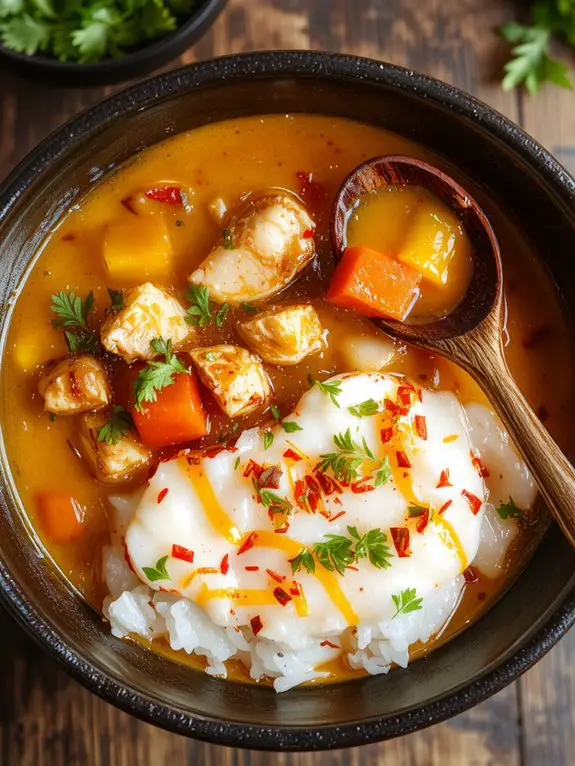
This homemade curry is the kind of dish that will make you forget takeout menus even exist—it’s that good. Packed with layers of bold, aromatic spices and a creamy, velvety sauce, it’s a flavor explosion you’ll want to make on repeat.
What sets it apart? Freshly ground spices and a slow simmer that lets every ingredient shine. I’ve been tweaking this recipe for years, and it’s become a staple in my kitchen—whether I’m feeding a crowd or just craving something comforting.
Picture tender chunks of protein (or veggies!) swimming in a rich, golden sauce with just the right balance of heat and warmth. Trust me, once you try this, you’ll never look at store-bought curry the same way.
Plus, it’s way easier to make than you think—let’s get cooking!
Ingredients
The secret to a phenomenal homemade curry lies in the quality and balance of its ingredients. While some elements are essential, others can be swapped to suit your pantry or preferences. Let’s break it down to guarantee your curry is bursting with flavor and texture.
- Oil (mustard or coconut oil): Mustard oil adds a robust depth, while coconut oil brings a subtle sweetness. Either works beautifully.
- Onions (yellow or white): Finely chopped for a smooth base—this is your flavor foundation.
- Garlic & Ginger (fresh is best): Non-negotiable for that aromatic punch. Swap with pre-minced versions in a pinch, but fresh elevates the dish.
- Tomatoes (ripe or canned): Ripe tomatoes lend brightness; canned are more consistent year-round. Both deliver that tangy backbone.
- Spices (turmeric, cumin, coriander, garam masala): Essential for depth and warmth. Pre-ground is fine, but freshly toasted and ground spices take it to the next level.
- Chili Powder or Fresh Chilies: Adjust to your heat tolerance. Use serrano or jalapeño for fresh options.
- Protein (chicken, lamb, tofu, or chickpeas): Pick your favorite—each brings its own texture. Boneless chicken thighs are particularly forgiving and flavorful.
- Potatoes & Vegetables (carrots, peas, cauliflower): Adds heartiness and balance. Adapt to what’s in season or your fridge.
- Coconut Milk or Heavy Cream: Coconut milk for a dairy-free, creamy richness; heavy cream for a richer, indulgent finish.
- Fresh Cilantro (for garnish): Adds a fresh, citrusy note right at the end—worth the extra effort.
Little wins: Toast your spices before grinding for maximum aroma, and don’t skip the cilantro garnish—it brightens the dish beautifully.
How to Make the Best Authentic Chicken Curry
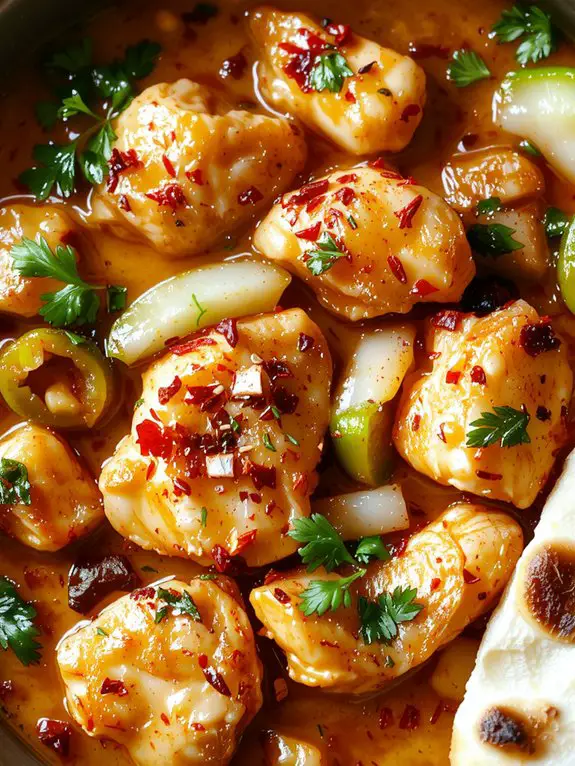
1. Heat oil in a large pot – Use medium heat to avoid burning the spices.
*Why:* Properly heated oil helps release the flavors of the spices without scorching them.
2. Sauté onions until golden – Stir frequently for even caramelization.
*Watch-out:* Don’t rush this step—deeply caramelized onions add sweetness and depth to the curry.
3. Add garlic, ginger, and spices – Cook for 1-2 minutes until fragrant.
*Pro tip:* Freshly grated ginger and garlic paste enhance flavor more than powdered versions.
4. Brown the chicken pieces – Sear on all sides for a richer taste.
*Why:* Browning locks in juices and adds texture. Avoid overcrowding the pot—cook in batches if needed.
5. Pour in tomatoes and coconut milk – Stir well to combine.
*Flexibility:* Use canned tomatoes for convenience or fresh for a brighter taste.
6. Simmer for 20-25 minutes – Keep the heat low to prevent curdling.
*Visual cue:* The curry should thicken slightly, and the chicken should be tender.
7. Adjust seasoning – Add salt, chili, or a squeeze of lime to taste.
*Pro tip:* A pinch of sugar balances acidity if the tomatoes are too tart.
8. Garnish with cilantro – Serve hot over rice or with naan.
*Time-saver:* Prep garnishes while the curry simmers.
Nutrition
This homemade curry recipe offers a balanced mix of essential nutrients. Here’s the nutritional breakdown per serving:
| Nutrient | Amount per Serving |
|---|---|
| Calories | 320 kcal |
| Protein | 15 g |
| Carbohydrates | 25 g |
| Fat | 18 g |
| Fiber | 6 g |
| Sugar | 5 g |
| Sodium | 480 mg |
Chef Tips
For the best homemade curry, I always toast the spices first—it releases their full flavor. Heat them dry in a pan until fragrant, then grind.
Don’t rush the onions; caramelizing them deepens the flavor. Use fresh ginger and garlic—paste works, but minced is better.
Simmer the curry low and slow; patience pays off. Finish with a squeeze of lime or a dollop of yogurt for brightness.
Balance heat with sweetness—a pinch of sugar helps.
Frequently Asked Questions
Can I Use Tofu Instead of Chicken?
Yes, I can use tofu instead of chicken. I’ll just press it to remove excess moisture, then cube and sauté or bake it until golden before adding it to the curry. It’ll soak up the flavors well.
Is This Curry Suitable for Freezing?
Yes, I’d freeze this curry easily—just let it cool completely first. I’d store it in airtight containers or freezer bags, leaving some space for expansion. It’ll keep well for up to three months in my freezer.
What Side Dishes Pair Well With Curry?
I’d serve my curry with fluffy basmati rice, warm naan bread, or crispy papadums. A fresh cucumber raita or mango chutney adds cool contrast, and roasted veggies like cauliflower balance the spices perfectly.
Can I Make This Curry in a Slow Cooker?
You can absolutely make this curry in a slow cooker—just brown your meat first, then toss everything in and cook on low for 6-8 hours. I find the flavors deepen beautifully when simmered slowly.
How Do I Reduce the Spiciness of the Curry?
I’d reduce the spiciness by adding coconut milk, yogurt, or a bit of sugar to balance the heat. You could also stir in more tomatoes or potatoes—they’ll soak up some of the spice while keeping the flavor rich.


