The Best Homemade Dressing Recipe
Recipe
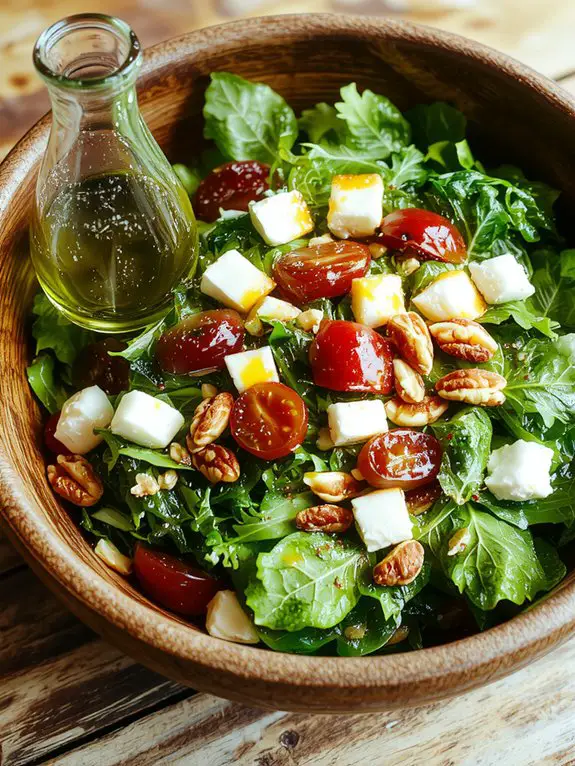
I can confidently say this homemade dressing will ruin store-bought versions for you forever—once you taste it, there’s no going back. What makes it magic? Fresh garlic, a splash of tangy mustard, and a hint of honey that creates the perfect balance of sweet, savory, and zesty.
It’s got that velvety texture that clings to every leaf of greens, making even the simplest salad feel special. I’ve been whipping up this dressing for years—it’s my go-to for potlucks, weeknight dinners, and everything in between—because it’s foolproof, customizable, and downright delicious.
Trust me, ten minutes is all you need to elevate your salads from meh to magnificent. Let’s get mixing!
Ingredients
A great homemade dressing starts with quality ingredients—fresh, vibrant, and balanced. Whether you’re making a creamy ranch or a zesty vinaigrette, the right components make all the difference. Here’s what you’ll need, plus insider tips to elevate your dressing game:
- Olive oil – The backbone of any vinaigrette; extra virgin adds depth and richness. *(Swap with avocado oil for a milder taste.)*
- Fresh lemon juice or vinegar – Brightens flavors; lemon for freshness, apple cider vinegar for tang. *(No lemons? White wine vinegar works too!)*
- Dijon mustard – Adds creaminess and depth; a must for emulsifying. *(Yellow mustard in a pinch, but Dijon is best.)*
- Garlic – Freshly minced for punch—powdered lacks the same kick. *(Roast it for a mellower flavor.)*
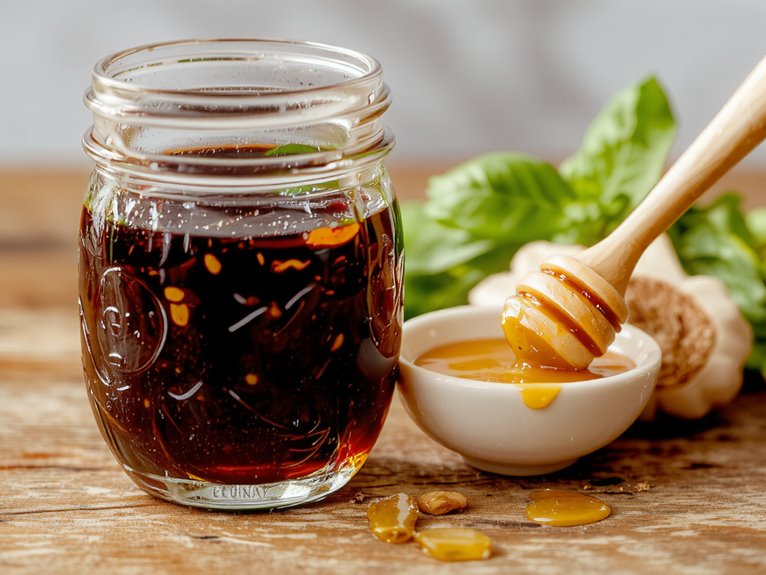
- Honey or maple syrup – Balances acidity; just a touch rounds out sharp flavors. *(Agave works if you’re vegan.)*
- Salt & pepper – Essential for seasoning; freshly cracked black pepper adds warmth.
- Fresh herbs – Basil, parsley, or dill bring vibrancy. *(Dried herbs in a pinch, but fresh is game-changing.)*
- Greek yogurt or mayo – For creamy dressings; yogurt keeps it light. *(Sour cream adds richness if needed.)*
Pro tip: Whisk in a splash of cold water if your dressing is too thick—it’ll loosen up without diluting flavor.
And always taste as you go!
How to Make the Best Balsamic Vinaigrette Recipe
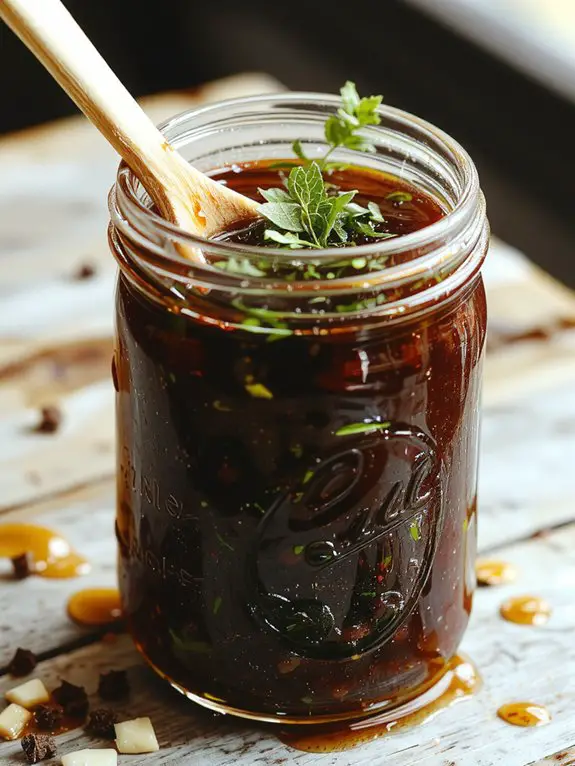
– Gather your ingredients: Start by assembling olive oil, balsamic vinegar, Dijon mustard, honey, garlic, salt, and pepper. Using fresh, high-quality ingredients guarantees the best flavor.
Pro tip: Opt for a mild olive oil if you prefer a lighter taste.
– Mix the wet ingredients: In a small bowl or jar, combine the balsamic vinegar, Dijon mustard, honey, and minced garlic. Whisk or shake vigorously to blend well.
The mustard and honey help emulsify the dressing, creating a smooth texture.
– Add the olive oil: Slowly drizzle in the olive oil while whisking continuously or shaking the jar. This gradual process guarantees the dressing emulsifies properly and doesn’t separate.
Watch out: Adding the oil too quickly can result in a broken dressing.
– Season to taste: Sprinkle in salt and pepper, then taste and adjust as needed. A pinch of salt enhances the flavors, while pepper adds a subtle kick.
Pro tip: If the dressing is too tangy, add a bit more honey for balance.
– Blend until smooth: Continue whisking or shaking until the dressing is fully combined and slightly thickened.
Visual cue: The dressing should coat the back of a spoon evenly.
– Store and serve: Transfer the dressing to a sealed container and refrigerate for up to a week. Before using, give it a good shake or stir, as separation is natural.
Pro tip: Let it sit at room temperature for 10 minutes if the olive oil solidifies in the fridge.
– Adjust consistency: If the dressing is too thick, add a teaspoon of water or vinegar to thin it out. For a richer flavor, infuse it with fresh herbs like basil or thyme.
Flexibility: This recipe works well with red wine vinegar or lemon juice as substitutes for balsamic vinegar.
Nutrition
This homemade dressing recipe offers a healthy and customizable option for your salads. Packed with natural ingredients, it provides essential nutrients and antioxidants.
| Nutrient | Amount per Serving |
|---|---|
| Calories | 89 kcal |
| Total Fat | 9.8 g |
| Saturated Fat | 1.3 g |
| Sodium | 120 mg |
| Carbohydrates | 1.2 g |
| Sugars | 0.5 g |
| Protein | 0.3 g |
Chef Tips
Making great dressing isn’t just about mixing ingredients—it’s about technique. I always whisk my dressing vigorously to emulsify it, ensuring a smooth texture.
Taste as you go—adjust seasoning with salt, pepper, or a squeeze of lemon. Let it sit briefly before serving to meld flavors.
Use fresh, quality ingredients; they shine through. Finally, store leftovers in a sealed jar and shake well before reusing.
Frequently Asked Questions
Can I Use Olive Oil Instead of Avocado Oil?
Yes, I can use olive oil instead of avocado oil, though it’ll change the flavor slightly. Olive oil’s richer and fruitier, so I’ll adjust seasoning if needed to balance it. It works well for dressings.
How Long Does Homemade Dressing Last in the Fridge?
Homemade dressing lasts about 1-2 weeks in the fridge if stored in an airtight container. I always check for changes in smell, color, or texture before using it to make sure it’s still fresh.
Can I Substitute Honey for Maple Syrup?
I’d say yes, you can substitute honey for maple syrup since both add sweetness, but honey’s thicker and slightly floral, so I’d adjust the amount to taste and thin it with a bit of water if needed.
Is This Dressing Gluten-Free?
Yes, it’s gluten-free because I only use ingredients like olive oil, vinegar, and mustard that don’t contain gluten. If you’re worried, though, I’d double-check the labels on anything pre-packaged to make sure they’re safe.
Can I Add Garlic to the Recipe?
Yes, you can add garlic to the recipe—I often do! It’ll give the dressing a punch of flavor if you’re into that. Just mince it finely or use garlic powder if you want something milder.


