The Best Homemade English Muffin Recipe
Recipe
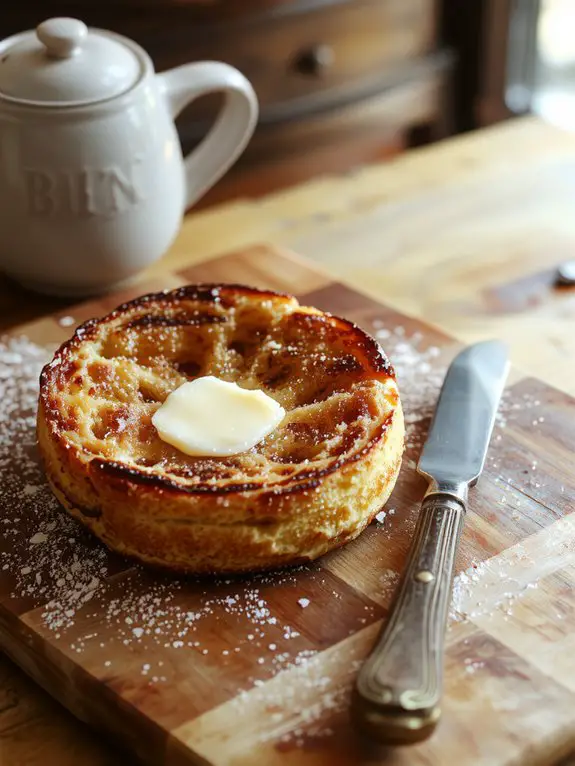
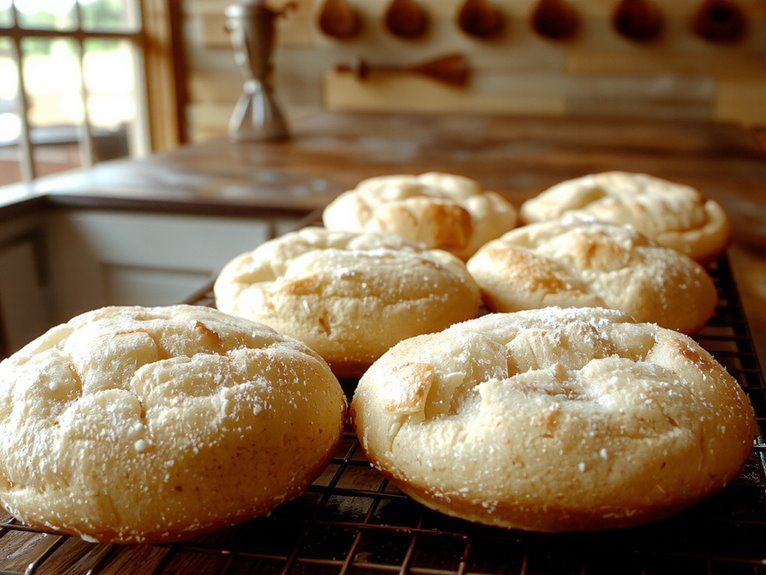
There’s something magical about biting into a homemade English muffin—crispy on the outside, soft and airy on the inside, with all those irresistible nooks and crannies ready to soak up butter or jam. Forget the store-bought versions; once you try these, you’ll never go back.
The secret? A simple dough that’s gently cooked on a griddle, giving it that perfect golden crust and chewy interior. Picture the smell of toasting bread filling your kitchen, the satisfying pull as you split one open, and the way it transforms breakfast (or any snack) into something extraordinary.
Trust me, these muffins are worth every minute—and they’re easier to make than you think. Let’s get started.
Ingredients
When it comes to making English muffins from scratch, the ingredients are simple, but choosing the right ones can make all the difference. Opt for high-quality flour and fresh yeast for the best texture and flavor. If you’re out of something, don’t fret—there are easy swaps to keep you on track.
Here’s what you’ll need:
- Bread flour: The higher protein content creates that chewy, airy crumb. All-purpose flour works in a pinch, but the texture won’t be as robust.
- Whole milk: Adds richness and softness. For a dairy-free option, unsweetened almond or oat milk works well.
- Unsalted butter: Lends a subtle richness and tenderness. If using salted butter, reduce the added salt slightly.
- Granulated sugar: Just a touch to feed the yeast and balance the flavor. Honey or maple syrup can be used as natural alternatives.
- Active dry yeast: Fresh yeast is key for that signature rise. If using instant yeast, skip the proofing step.
- Fine sea salt: Enhances flavor. Table salt works, but reduce the amount slightly to avoid over-salting.
- Cornmeal: For dusting the surface and preventing sticking. Semolina flour is a great alternative.
- Optional extras: Add a pinch of cinnamon or a handful of raisins for a twist on the classic.
How to Make the Best Fluffy English Muffin Recipe
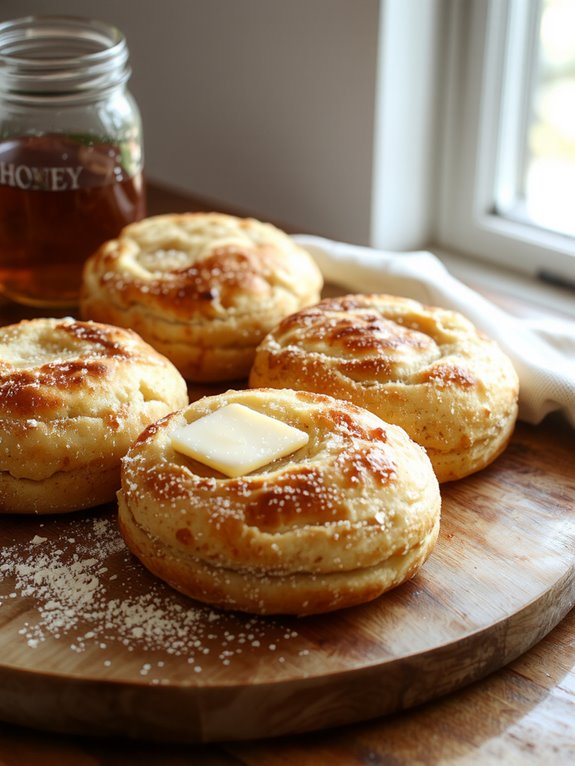
– Cook the muffins: Spoon portions of the batter onto the preheated skillet, forming round discs.
Cook for 5-6 minutes per side or until golden brown. *(Visual Cue: Look for small bubbles forming on the surface before flipping.)*
– Cool before serving: Transfer muffins to a wire rack to cool for a few minutes.
*(Flexibility: For extra crispiness, toast them lightly before serving.)*
– Store for later: Keep leftovers in an airtight container for up to 3 days or freeze for longer storage.
*(Time-Saving Trick: Reheat frozen muffins in a toaster for fresh-tasting results.)*
Nutrition
Enjoy this homemade English muffin recipe with its wholesome and nutritious ingredients. Here’s a breakdown of its nutritional value per serving.
| Nutrient | Amount per Serving |
|---|---|
| Calories | 150 kcal |
| Carbohydrates | 28 g |
| Protein | 5 g |
| Fat | 1.5 g |
| Fiber | 2 g |
| Sugar | 2 g |
| Sodium | 200 mg |
Chef Tips
To achieve the perfect texture and flavor, I recommend using a stand mixer with a dough hook for kneading, but you can also do it by hand if you prefer. Keep your dough slightly sticky—it’ll guarantee those signature nooks and crannies.
Cook the muffins on a preheated griddle or skillet over medium-low heat to avoid burning. Resist cutting them with a knife; tear them open for the best texture.
Frequently Asked Questions
Can I Freeze Homemade English Muffins?
Yes, I freeze my homemade English muffins all the time. I let them cool completely, then wrap them tightly in plastic or foil before popping them in the freezer. They stay fresh for up to 3 months.
How Long Do Homemade English Muffins Last?
Homemade English muffins last about 2-3 days at room temperature in an airtight container. If I refrigerate them, they’ll stay fresh up to a week. For longer storage, I freeze them—they keep well for a month or two.
Can I Use Whole Wheat Flour Instead?
Yes, I can use whole wheat flour, but I’ll need to adjust the recipe since it absorbs more liquid. I might add a bit more water or milk to keep the dough from getting too dense. They’ll still taste great!
What’s the Best Way to Store Them?
I store my English muffins in an airtight container or resealable bag at room temperature for up to two days. For longer storage, I freeze them in a freezer-safe bag and toast them straight from the freezer.
Can I Make These Without a Griddle?
I’d say yes—you don’t need a griddle. I’ve used a cast-iron skillet or even a nonstick pan on low heat. Just cook them slowly, flipping often, until they’re golden and cooked through. Works great for me!