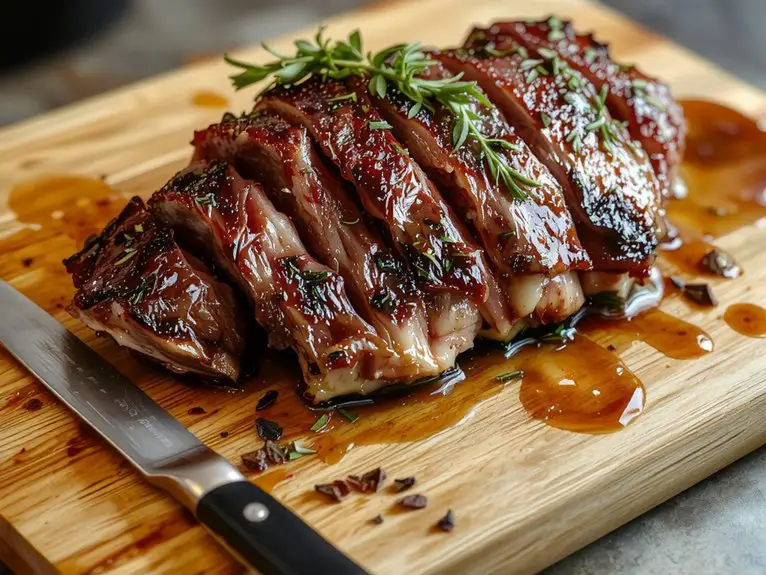
The Best Homemade Filet Mignon Recipe
Recipe
There’s nothing quite like a perfectly cooked filet mignon—tender, buttery, and melt-in-your-mouth delicious. And guess what? You don’t need a fancy steakhouse to enjoy it.
This homemade version is so good, it’ll make you swear off restaurant steaks for good. The secret? A simple yet foolproof method that locks in flavor and delivers that crave-worthy crust every time.
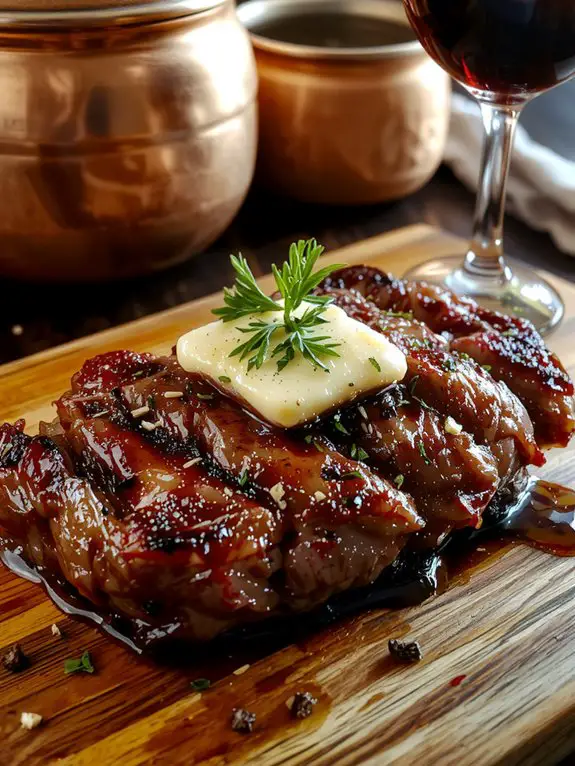
Imagine this: a juicy, medium-rare center with a golden sear, finished with a knob of herb butter that melts into every bite. Trust me, once you try this recipe, you’ll wonder why you ever ordered steak out. Let’s get cooking—your taste buds are in for a treat.
Ingredients
The key to an unforgettable filet mignon lies in the quality of your ingredients—this isn’t the time to cut corners. A great steak starts with great beef, but don’t overlook the supporting cast of seasonings and fats that make it shine.
- Filet mignon steaks (1.5–2 inches thick) – The star of the show. Look for USDA Prime or Choice with even marbling. Thicker cuts guarantee a perfect sear without overcooking.
- Kosher salt – Essential for drawing out moisture and creating a crust. Diamond Crystal is a chef favorite for its light, even texture.
- Freshly cracked black pepper – Coarse grind for maximum flavor. Pre-ground lacks punch.
- High-smoke-point oil (avocado, grapeseed, or clarified butter) – Needed for searing. Olive oil burns—save it for finishing.
- Unsalted butter (2–3 tbsp) – Adds richness. European-style (higher fat) butter gives a deeper flavor.
- Garlic cloves (lightly crushed) – Optional but recommended. Toss them in the pan for a subtle aromatic note.
- Fresh thyme or rosemary sprigs – Herbs infuse the butter baste. Dried herbs won’t deliver the same brightness.
Pro Tip: Pull the steak from the fridge 30 minutes before cooking. Cold meat seizes up and cooks unevenly. No time? Microwave it on *low* for 15-second bursts to gently take off the chill.
Substitutions:
- No fresh herbs? Use a pinch of dried thyme or rosemary, but add them to the butter early to bloom their flavor.
- Clarified butter can replace oil for a richer sear (just watch the heat).
Non-Negotiables:
- *Thick-cut steaks*—anything thinner risks overcooking before a proper crust forms.
- *Kosher salt*—table salt is too fine and can over-season.
Little Wins:
- A splash of red wine or bourbon deglazed into the pan juices makes an instant, luxurious sauce.
- Flaky sea salt (like Maldon) sprinkled post-sear adds texture and depth.
How to Make the Best Perfect Filet Mignon Cooking Time
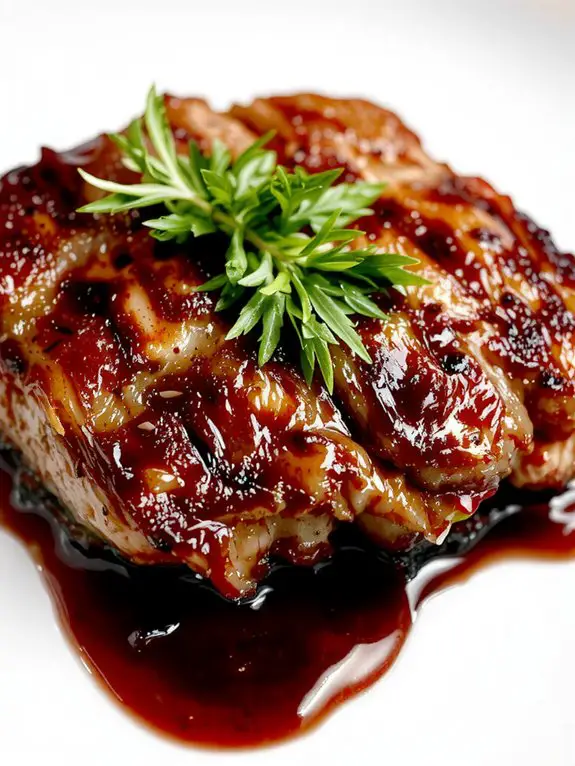
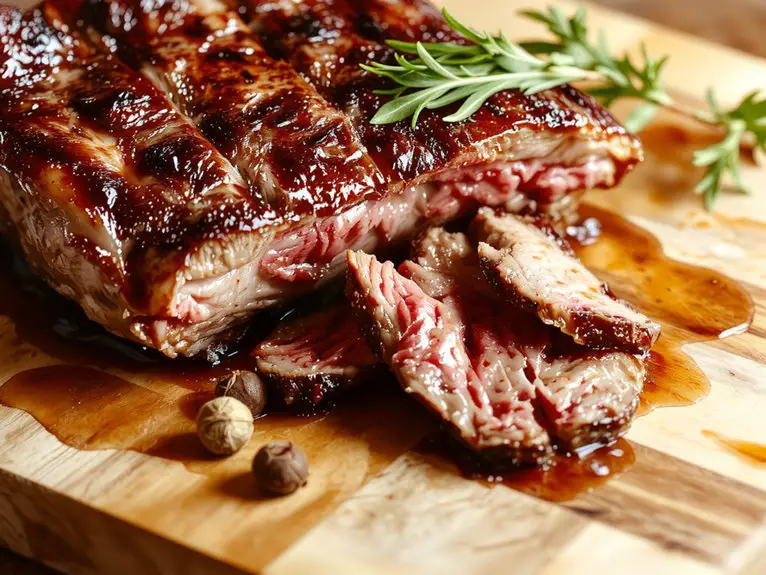
Check the internal temperature** – Use a meat thermometer to verify the desired doneness: 120°F for rare, 130°F for medium-rare**, 140°F for medium, and 150°F for medium-well.
Filet mignon is best enjoyed medium-rare to medium for peak tenderness. Watch-Out: Overcooking can make the steaks dry and tough.
Let the steaks rest for 5-10 minutes** – This allows the juices to redistribute throughout the meat, keeping it moist. Tent loosely with foil** to retain warmth.
Visual Cue: The steaks will feel slightly firmer to the touch after resting. Pro Tip: Use this time to prepare any sides or sauces.
Slice and serve – Cut against the grain for maximum tenderness and plate with your favorite sides, like mashed potatoes or roasted vegetables.
Pro Tip: A simple pan sauce made from the drippings in the skillet can elevate the dish even further.
Nutrition
This homemade filet mignon recipe offers a rich and flavorful dish that is also nutrient-packed. Below is the nutritional information per serving.
| Nutrient | Amount per Serving |
|---|---|
| Calories | 440 |
| Total Fat | 34g |
| Saturated Fat | 14g |
| Cholesterol | 135mg |
| Sodium | 420mg |
| Total Carbohydrates | 1g |
| Dietary Fiber | 0g |
| Sugars | 0g |
| Protein | 33g |
| Vitamin D | 2% DV |
| Calcium | 2% DV |
| Iron | 15% DV |
| Potassium | 10% DV |
Chef Tips
To get the most out of your filet mignon, I recommend letting the meat rest at room temperature for 30 minutes before cooking—it guarantees even doneness.
Always pat the steak dry before seasoning; moisture prevents a good sear. Use high heat for a crisp crust, then finish in the oven if needed.
Let it rest 5 minutes after cooking to lock in juices. Salt generously just before searing.
Frequently Asked Questions
Can I Freeze Cooked Filet Mignon?
Yes, I can freeze cooked filet mignon. I’ll let it cool, wrap it tightly in foil or plastic, then place it in an airtight container or freezer bag. Thaw it in the fridge before reheating gently.
What Wine Pairs Best With Filet Mignon?
I’d pair filet mignon with a full-bodied red wine like Cabernet Sauvignon or Merlot. Their deep flavors complement the richness of the steak. If I prefer something smoother, I’d choose a Pinot Noir for a lighter touch.
How Do I Tenderize Filet Mignon?
Filet mignon’s naturally tender, so I avoid over-tenderizing. If I want to enhance it, I’ll lightly salt it an hour before cooking or use a meat mallet gently. Over-tenderizing can ruin its delicate texture.
Is Filet Mignon the Same as Tenderloin?
Filet mignon comes from the tenderloin, but it’s not the whole cut. It’s the most tender part, located at the smaller end. While all filet mignon is tenderloin, not all tenderloin is filet mignon.
Can I Use a Grill Instead of a Skillet?
Sure, I can use a grill instead of a skillet. I’ll preheat it to high heat, sear the filet mignon on both sides, then move it to indirect heat to finish cooking to my preferred doneness. It’ll work perfectly.