The Best Homemade Flounder Recipe
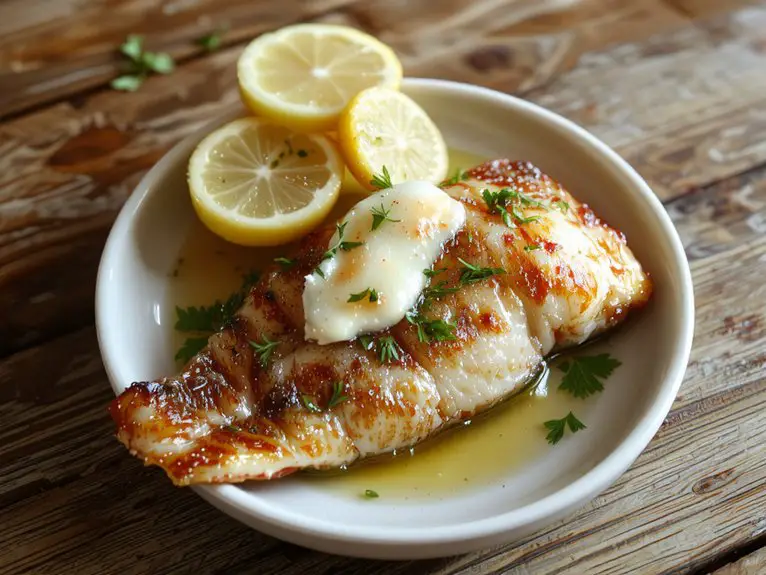
Recipe
If there’s one flounder recipe that’ll make you swear off takeout forever, this is it. I’ve made this dish more times than I can count—for weeknight dinners, impromptu gatherings, even fancy date nights—and it never fails to impress.
The secret? A simple buttery pan-sear that locks in the fish’s delicate sweetness, finished with a bright squeeze of lemon and a sprinkle of fresh herbs. Every bite is melt-in-your-mouth tender with just the right crisp edge, and the best part? It’s ready in under 20 minutes.
Whether you’re a seafood pro or a nervous first-timer, this recipe is foolproof. Trust me, once you taste how good homemade flounder can be, you’ll never look back.
Ingredients
When it comes to cooking flounder, the key lies in selecting fresh, high-quality ingredients that let the delicate flavor of the fish shine. Here’s what you’ll need to create a restaurant-worthy dish at home.
For the Fish:
- Fresh flounder fillets – Opt for wild-caught if possible; its natural sweetness and firm texture are unmatched. Frozen can work in a pinch, but thaw thoroughly and pat dry.
- Sea salt and freshly ground black pepper – Essential for seasoning; coarse sea salt clings better to the fish.
- All-purpose flour – Helps create a light, crispy crust. For a gluten-free option, almond flour works beautifully.
For Cooking:
- Unsalted butter – Adds richness and helps achieve a golden sear. Clarified butter (ghee) is an excellent substitute for higher smoke points.
- Olive oil – Combined with butter for a balanced flavor and to prevent burning. Extra virgin olive oil adds depth but isn’t necessary here.
For Flavor Enhancers:
- Fresh lemon – Non-negotiable! The zest and juice brighten the dish and complement the flounder’s mildness.
- Fresh herbs (parsley or dill) – A finishing touch that adds color and freshness. Dried herbs can be used sparingly if fresh isn’t available.
Optional Elevations:
- Garlic cloves – Sliced thinly and sautéed in the butter for an aromatic boost.
- White wine – A splash deglazes the pan and adds a sophisticated touch. Chicken broth can substitute if preferred.
- Capers – For a briny burst of flavor that pairs perfectly with flounder.
Pro Tip: Always let your flounder come to room temperature before cooking—it guarantees even cooking and prevents the fish from drying out.
How to Make the Best Pan-Seared Flounder Recipe
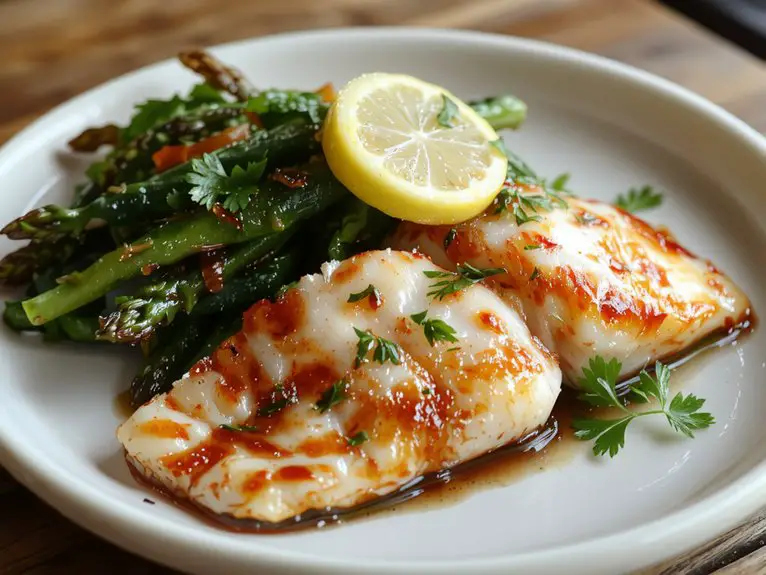
- Sear for 2–3 minutes per side, depending on thickness. The fish is ready to flip when the edges turn opaque and release easily from the pan. Use a thin spatula to avoid breaking the delicate fillets.
- Add butter and aromatics (like minced garlic, lemon slices, or fresh herbs) during the last minute of cooking.
Tilt the pan and spoon the melted butter over the fish for extra richness.
– Check for doneness—the flesh should flake easily with a fork but still look moist inside.
Overcooking dries out flounder quickly, so err on the side of underdone—it’ll keep cooking off the heat.
– Rest for a minute before serving to let the juices redistribute.
Squeeze fresh lemon juice over the top for brightness, and garnish with chopped parsley or chives.
Pro Tip: For a golden crust, dust the fillets lightly with flour before searing. Just shake off excess to avoid a gummy texture.
Watch Out: Don’t move the fish around in the pan—let it sear undisturbed for that perfect crispy exterior. Peeking too soon can cause sticking!
Nutrition
Flounder is a lean, low-calorie fish that provides a good source of protein and essential nutrients. Here’s the nutritional breakdown for one serving:
| Nutrient | Amount per Serving |
|---|---|
| Calories | 150 kcal |
| Protein | 28 g |
| Fat | 3 g |
| Carbohydrates | 0 g |
| Fiber | 0 g |
| Sugars | 0 g |
| Cholesterol | 60 mg |
| Sodium | 200 mg |
| Calcium | 20 mg |
| Iron | 1 mg |
| Vitamin A | 50 IU |
| Vitamin C | 2 mg |
Chef Tips
To guarantee your flounder turns out perfectly, I always recommend patting the fillets dry before cooking—it helps them sear nicely and prevents steaming.
Season generously with salt and pepper, and don’t overcrowd the pan—give each piece space to crisp.
Use medium-high heat for a golden crust without overcooking.
A squeeze of lemon at the end brightens the dish.
Trust me, these small steps make all the difference.
Frequently Asked Questions
Can I Use Frozen Flounder for This Recipe?
Yes, I can use frozen flounder, but I’ll thaw it thoroughly in the fridge first to guarantee even cooking. Patting it dry with paper towels before seasoning helps it crisp up nicely in the pan or oven.
How Do I Know When the Flounder Is Fully Cooked?
I check if the flounder’s flesh turns opaque and flakes easily with a fork. If it reaches 145°F inside, it’s done. Don’t overcook it—it’ll dry out. Trust me, you’ll know when it’s perfect.
What Sides Pair Best With Flounder?
I’d pair flounder with lemon-dressed greens, roasted asparagus, or garlic mashed potatoes. A light quinoa salad or steamed rice works, too. I’d keep sides simple to let the flounder’s flavor shine.
Can I Substitute Flounder With Another Fish?
Yes, you can substitute flounder with another mild white fish like tilapia, cod, or sole. I’d make sure it’s similarly thin and delicate so the cooking time and flavors stay balanced just like flounder’s.
How Should I Store Leftover Cooked Flounder?
I’ll store leftover cooked flounder in an airtight container and refrigerate it within two hours. It’ll stay fresh for up to three days. If I won’t eat it soon, I’ll freeze it for later use.


