The Best Homemade Garam Masala Recipe
Recipe
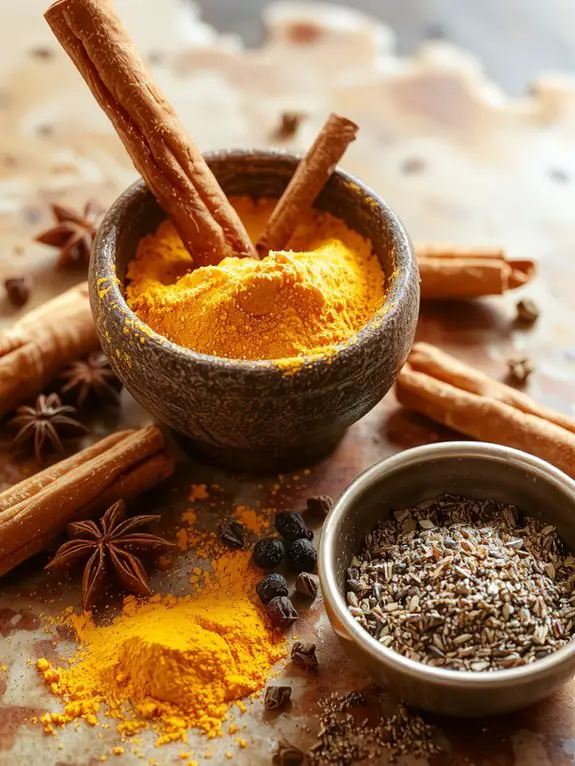
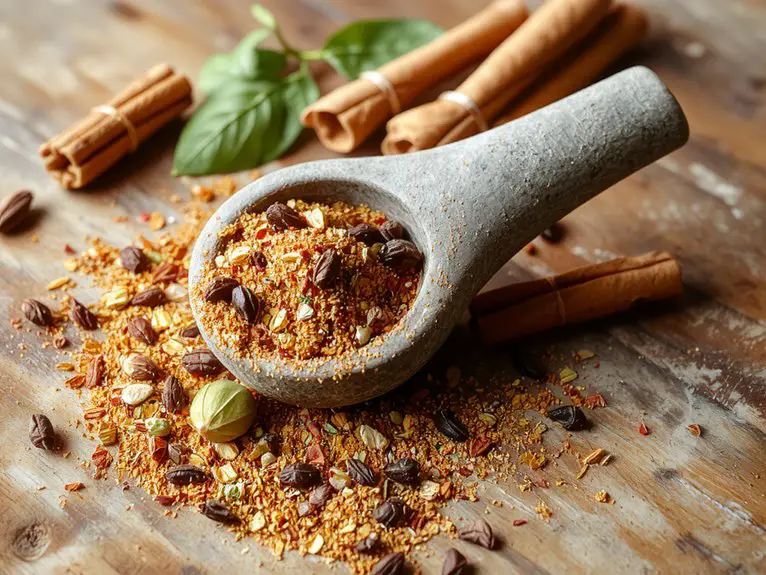
Nothing beats the aroma of freshly toasted spices filling your kitchen—especially when they come together in this foolproof homemade garam masala blend. Trust me, once you try this version, those store-bought mixes will taste downright bland in comparison.
The magic lies in toasting whole spices just until they release their oils, then grinding them into a warm, complex powder that dances between floral, citrusy, and gently spicy. My grandmother’s trick? A pinch of black cardamom for smoky depth, balanced by sweet cinnamon and punchy cloves.
You’ll catch yourself sniffing the jar like perfume—it’s that good. And the best part? No fancy equipment needed; a skillet and spice grinder (or even a mortar and pestle) will release flavors so vibrant, they’ll transform everything from curries to roasted veggies.
Ready to make your spice drawer infinitely more exciting? Let’s toast.
Ingredients
Crafting your own garam masala at home allows you to customize the blend to your taste, ensuring a fresher, more vibrant flavor than store-bought versions. The key to this aromatic spice mix lies in the quality of the spices and toasting them just right. Below is the list of ingredients you’ll need—some are essentials, while others offer flexibility for those hard-to-find items.
Essential Whole Spices:
- Cumin seeds: A foundational spice that adds earthy warmth.
- Coriander seeds: Brings a citrusy, slightly sweet depth.
- Black peppercorns: Adds a sharp, spicy kick.
- Green cardamom pods: Imparts a floral, slightly sweet aroma.
Optional but Recommended Whole Spices:
- Cinnamon sticks: Adds a warm, sweet undertone (use true Ceylon cinnamon if possible).
- Cloves: Offers a strong, slightly bitter warmth—use sparingly.
- Bay leaves: Contributes a subtle herbal note.
- Star anise: Adds a licorice-like sweetness.
Ground Spices for Depth:
- Ground nutmeg: Enhances the blend with its warm, sweet, and slightly nutty flavor.
- Turmeric powder: Adds a golden hue and mild earthiness.
Pro Tips:
- *Toast the whole spices gently* over low heat to release their oils and deepen the flavor, but avoid burning them.
- *Use freshly ground spices* whenever possible—pre-ground versions lose their potency quickly.
- *Customize the heat level* by adjusting the amount of black peppercorns or adding dried red chilies for an extra kick.
Substitutions:
- No green cardamom? Use black cardamom for a smokier flavor, though it’s not a direct swap.
- Missing cinnamon sticks? A pinch of ground cinnamon can work in a pinch.
- Out of bay leaves? Skip them—the mix will still shine.
Don’t Skip:
- Cumin and coriander seeds are non-negotiable—they form the backbone of the blend.
- Green cardamom adds a signature fragrance that’s hard to replicate.
Little Wins:
- Add a pinch of saffron for a luxurious, aromatic twist.
- Store your garam masala in an airtight container away from light to preserve its flavor.
How to Make the Best Authentic Garam Masala Blend
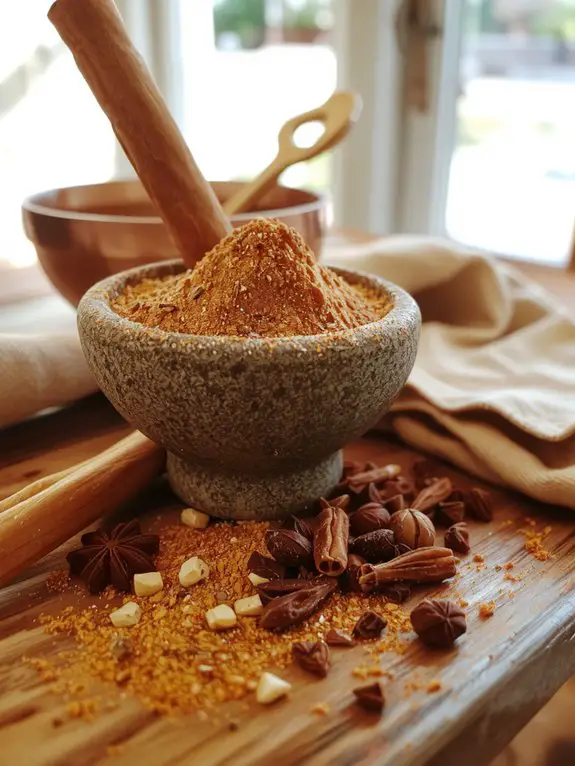
• Adjust ratios to taste** – Love cardamom? Add an extra pod next time. Prefer less heat? Reduce black peppercorns. Garam masala** is personal—tweak it as you go.
Pro Tip: Double the batch and freeze half in a sealed bag. The cold preserves brightness longer than pantry storage.
Nutrition
Garam masala is a flavorful blend of spices commonly used in Indian cuisine. While it adds depth to dishes, its nutritional impact is minimal as it is used in small quantities.
| Nutrient | Amount per 1 tsp (2g) |
|---|---|
| Calories | 6 kcal |
| Protein | 0.2 g |
| Fat | 0.1 g |
| Carbohydrates | 1.1 g |
| Fiber | 0.5 g |
| Sugar | 0 g |
| Sodium | 1 mg |
Chef Tips
When making garam masala, I always toast the whole spices before grinding them to enhance their aroma and flavor. Use a dry skillet on low heat and watch closely—don’t let them burn.
Let them cool completely before grinding to avoid clumping. Store your garam masala in an airtight container away from heat and light. It’ll keep its potency for about a month. Fresh is best!
Frequently Asked Questions
Can Garam Masala Go Bad?
Yes, garam masala can go bad over time. I’ve noticed its aroma and flavor fade if stored improperly. I keep mine in an airtight container away from heat and light to maintain its freshness longer—usually around six months.
How Long Does Homemade Garam Masala Last?
Homemade garam masala lasts about 6 months if stored in an airtight container in a cool, dark place. I check mine for freshness—if the aroma fades, it’s time to make a new batch.
Is Garam Masala Gluten-Free?
Yes, garam masala is gluten-free since it’s made from ground spices like cumin, coriander, cardamom, and cinnamon. I always check labels if I buy it pre-made, but homemade versions won’t have gluten unless I add it.
Can I Substitute Garam Masala With Curry Powder?
I can substitute garam masala with curry powder, but they’re not the same—garam masala is spicier and more aromatic, while curry powder is milder. I’ll adjust the amount and add extra spices if needed for flavor balance.
Does Garam Masala Contain Salt?
No, garam masala doesn’t contain salt—it’s just a blend of spices like cinnamon, cardamom, cloves, and cumin. I always check the label or make my own to verify it’s pure and free from added ingredients.


