The Best Homemade Goulash Recipe
Recipe
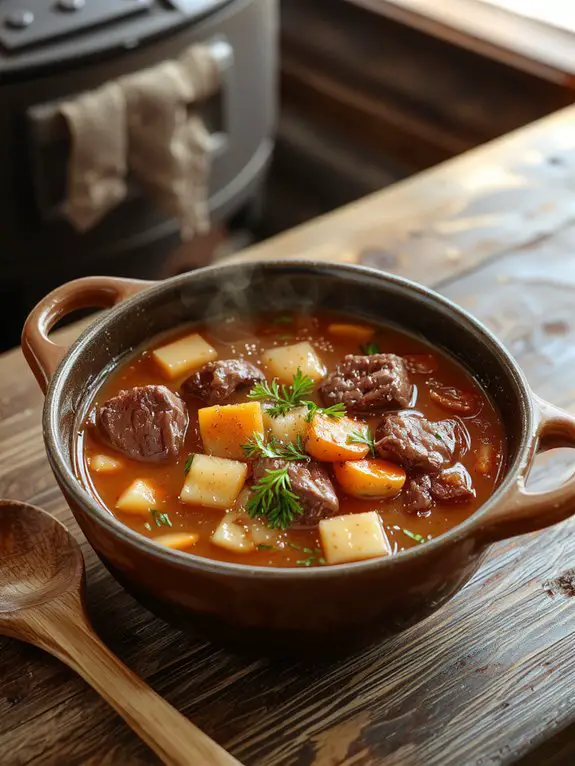
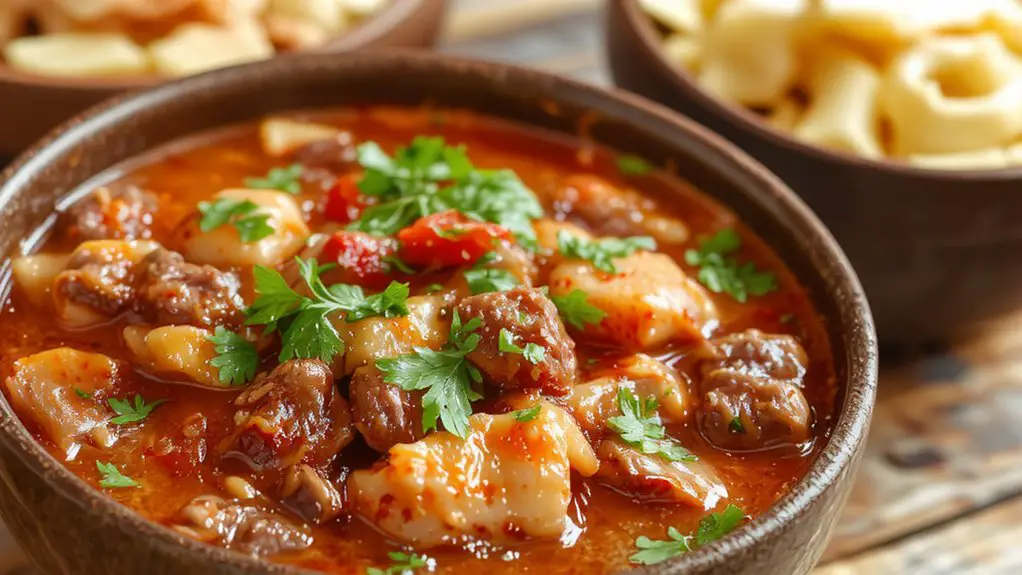
There’s something magical about a steaming bowl of homemade goulash—it’s the kind of dish that wraps you in warmth and nostalgia with every bite. This recipe? It’s the real deal, packed with tender beef, smoky paprika, and a rich, savory sauce that clings to every noodle like a cozy hug.
What sets it apart? A splash of red wine for depth and a slow simmer that transforms simple ingredients into something extraordinary. I’ve made this for everything from weeknight dinners to potlucks, and without fail, someone always asks for seconds.
The best part? It’s easier than you think—just a little patience and a big appetite. Get ready to fall in love with goulash all over again.
Ingredients
To make a standout homemade goulash, sourcing the right ingredients is key. Selecting high-quality, fresh components guarantees rich flavor and depth in every bite. Here’s what you’ll need—along with insider tips and substitutions to make it work for your pantry:
Essential Ingredients:
– Beef (chuck roast or stew meat): Opt for well-marbled cuts—they melt into tender, juicy perfection after slow cooking.
###Pro Tip:* Sear the beef first for a caramelized crust that adds depth to the broth.
– Paprika (sweet and smoked): The soul of goulash! Use both types for a balanced smokiness and sweetness.
*Substitution:* If you only have sweet paprika, add a pinch of smoked salt or chipotle powder for that smoky kick.
- Onions and Garlic: These aromatic bases build the dish’s foundation. Dice the onions finely for even cooking.
- Tomato Paste: Adds richness and thickness to the sauce.
###Pro Tip:* Cook the tomato paste with the onions to deepen its flavor.
Flavor Enhancers:
– Carrots and Bell Peppers: These veggies add sweetness and texture.
*Substitution:* Swap bell peppers for celery if preferred.
– Beef Broth: Use low-sodium so you can control the salt level.
*Substitution:* Vegetable broth works in a pinch.
– Red Wine (optional): Adds complexity. Dry varieties like Cabernet Sauvignon are ideal.
*Substitution:* Skip the wine and add a splash of balsamic vinegar for acidity.
Spices & Herbs:
– Caraway Seeds: A subtle earthy flavor that’s traditional in goulash.
*Substitution:* Fennel seeds can mimic caraway’s licorice-like notes.
- Bay Leaves: Essential for that slow-simmered depth.
- Thyme: Fresh or dried, it adds a herbaceous touch.
Finishing Touches:
– Sour Cream: A dollop on top adds creaminess.
*Substitution:* Greek yogurt works equally well.
– Fresh Parsley: For a bright, fresh garnish.
###Non-Negotiable:* High-quality paprika and well-seared beef are the backbone of this dish—don’t skip them!
###Little Wins:* Serve with crusty bread or egg noodles to soak up every bit of the flavorful broth.
How to Make the Best Classic Hungarian Goulash Recipe
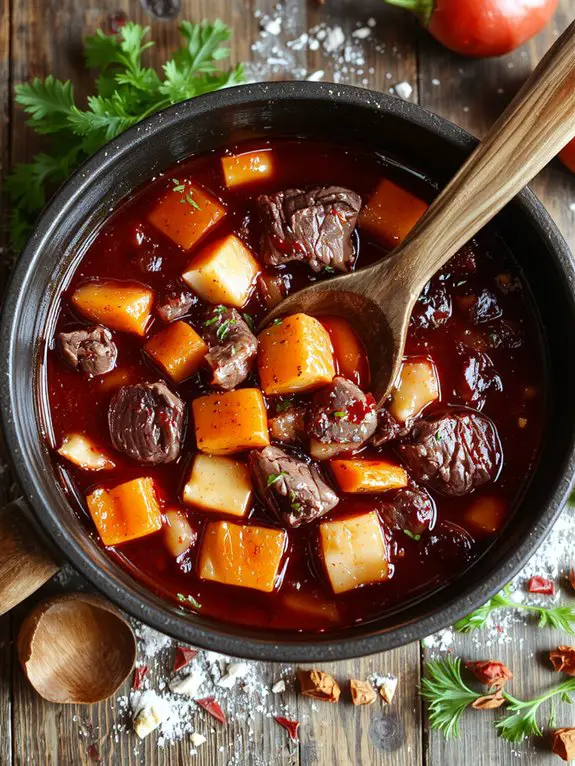
Add the garlic, caraway seeds, and bay leaf, cooking for another minute until fragrant. These spices infuse the dish with a warm, earthy flavor.
Pour in the beef broth**** and stir to deglaze the pot, scraping up any browned bits. This step incorporates all the flavorful residue into the sauce.
Add the chopped tomatoes**** and stir to combine. The tomatoes add acidity and sweetness, balancing the richness of the dish.
Simmer the goulash covered for about 1.5 to 2 hours, or until the beef is tender.
Visual Cue: The meat should easily pull apart with a fork.
Flexibility: If the sauce becomes too thick, add a bit more broth or water.
Adjust the seasoning with salt and pepper to taste.
Pro Tip: Taste the goulash before adding more salt, as the broth and tomatoes already contain sodium.
Serve hot with your choice of sides, such as egg noodles, mashed potatoes, or crusty bread.
Why It Matters: Pairing goulash with a starch helps soak up the delicious sauce.
Storage Tip: Goulash tastes even better the next day as the flavors meld. Store in an airtight container in the refrigerator for up to 3 days.
Nutrition
Goulash is a hearty dish that offers a balance of protein, carbs, and fats. Here’s the nutritional breakdown per serving:
| Nutrition | Amount per Serving |
|---|---|
| Calories | 350 kcal |
| Protein | 25 g |
| Carbohydrates | 30 g |
| Fat | 12 g |
| Fiber | 4 g |
| Sugar | 6 g |
Chef Tips
Though goulash is simple to make, a few tricks can take it from good to great. Mastering knife skills guarantees evenly chopped veggies, which cook uniformly.
My seasoning secrets include toasting paprika briefly to deepen its flavor and balancing spices like caraway and garlic for authenticity.
Simmering low and slow lets the flavors meld beautifully. Don’t rush it—patience makes the dish shine.
Frequently Asked Questions
Can I Freeze Hungarian Goulash?
Yes, I can freeze Hungarian goulash. For freezing tips, I’d let it cool completely, then store it in airtight containers or freezer bags. Proper storage methods guarantee it stays fresh for up to three months.
What’s the Difference Between Hungarian and American Goulash?
I’ll tell you Hungarian goulash focuses on rich flavor origins with paprika and slow-cooked beef, while American goulash uses ground beef, tomatoes, and elbow macaroni—spice variations are milder, making it more like a hearty pasta dish.
Can I Use a Slow Cooker for This Recipe?
Yes, I can use a slow cooker for goulash—it’s perfect for slow cooking. I’d brown the meat first, then add everything and cook on low for 6-8 hours. Here’s a cooker tip: don’t overcook the pasta.
Is Goulash Gluten-Free?
It depends on the ingredients—I’d say goulash isn’t gluten-free if it contains flour or soy sauce. For gluten sensitivity or celiac disease, I’d use gluten-free alternatives and double-check labels to verify it’s safe.
What Side Dishes Pair Well With Goulash?
I’d pair goulash with crusty bread options like sourdough or rye to soak up the sauce. For wine pairings, I’d choose a bold red like Cabernet Sauvignon or a crisp Riesling to balance the rich flavors.


