The Best Homemade Greek Dressing Recipe

Recipe
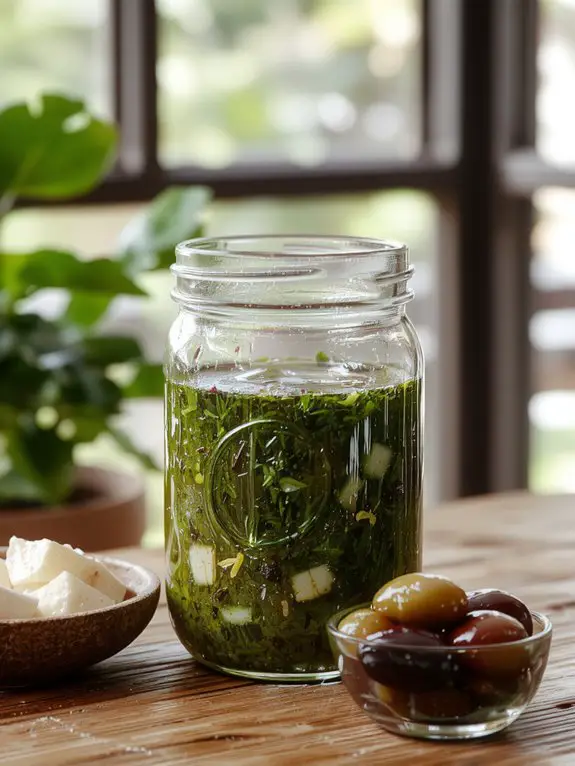
This Greek dressing is hands-down the best I’ve ever made, and once you try it, you’ll never go back to store-bought. Tangy, herby, and perfectly balanced, it’s a flavor bomb that transforms even the simplest salads into something extraordinary.
The secret? A generous splash of fresh lemon juice and a punch of oregano, combined with the richness of extra virgin olive oil—it’s the kind of dressing that makes you want to eat your greens. I’ve been making this for years, and it’s always a hit at family gatherings (my aunt even begged me for the recipe!).
Imagine a velvety, zesty drizzle that clings to every leaf of lettuce, with just the right amount of garlic to keep things interesting. Trust me, once you taste this, you’ll want to put it on everything—salads, grilled veggies, even your morning avocado toast. Let’s make it!
Ingredients
When it comes to crafting the perfect Greek dressing, the ingredients are your foundation. This recipe strikes a balance between tangy, fresh, and savory, with a few key elements that elevate it from good to unforgettable. Let’s break it down, including pro tips, swaps, and must-haves to make this dressing shine.
The Essentials
- Extra virgin olive oil: Use the best quality you have—it’s the backbone of this dressing and adds richness. A fruity, peppery olive oil will elevate the flavor.
- Red wine vinegar: This gives the dressing its signature tang. Don’t substitute with other vinegars unless absolutely necessary—it’s what makes it authentically Greek.
- Fresh garlic: A must for that bold, aromatic kick. Crush it finely or use a microplane for maximum flavor infusion.
The Flavor Boosters
- Dried oregano: A classic Greek herb that brings earthy, slightly peppery notes. If you have it, use Greek oregano for authenticity.
- Dijon mustard: Adds a subtle creaminess and helps emulsify the dressing. No Dijon? A teaspoon of honey mustard can work in a pinch.
- Lemon juice: Freshly squeezed is non-negotiable for that bright, citrusy zing. Skip the bottled stuff—it’s worth the effort.
- Kosher salt and freshly ground black pepper: Essential for seasoning. Adjust to taste, but don’t skimp—they bring balance.
Optional Additions to Elevate
- Crumbled feta cheese: For a creamy, tangy twist, whisk in a tablespoon or two. It’s not traditional but adds a delicious richness.
- Fresh herbs: Add chopped parsley or dill for an extra layer of freshness.
- Shallots or red onion: Finely minced, they add a subtle sweetness and crunch.
Pro Tip: Always whisk your dressing vigorously or shake it in a jar to emulsify it fully. This guarantees the oil and vinegar blend seamlessly for a smooth, cohesive texture.
And remember, taste as you go—dressings are all about balance!
How to Make the Best Authentic Greek Dressing Recipe

Store any leftover dressing in an airtight container in the refrigerator for up to a week.
Always give it a good shake or whisk before using, as the ingredients may separate over time.
If the olive oil solidifies in the fridge, let the dressing sit at room temperature for a few minutes.
Nutrition
Greek dressing is a flavorful and healthy addition to salads and dishes. Here’s the nutritional breakdown per serving (2 tablespoons):
| Nutrient | Amount |
|---|---|
| Calories | 120 |
| Total Fat | 13g |
| Saturated Fat | 2g |
| Sodium | 240mg |
| Carbohydrates | 2g |
| Sugars | 1g |
| Protein | 0g |
Chef Tips
To make the most of this Greek dressing, I recommend whisking it well before each use—it’s easy to emulsify, but the oil and vinegar can separate if left sitting.
Taste as you go, adjusting lemon juice or oregano to your preference.
Use extra virgin olive oil for bold flavor and fresh garlic for a sharper kick.
Store it in a jar for easy shaking and keep it refrigerated.
Frequently Asked Questions
Can I Use Dried Oregano Instead of Fresh?
Yes, I can use dried oregano instead of fresh. I’ll just reduce the amount since dried herbs are more concentrated—I’d start with half the quantity. I’ll taste it and adjust if needed to balance the flavors.
How Long Does Homemade Greek Dressing Last?
Homemade Greek dressing lasts about a week in the fridge if I store it in an airtight container. I make sure it’s sealed properly to keep it fresh and shake it well before using it again.
Can I Substitute Red Wine Vinegar With Another Type?
Yes, I can substitute red wine vinegar with balsamic, apple cider, or white wine vinegar. Each type changes the flavor slightly, so I’d adjust based on my preference. Balsamic’s sweeter, while apple cider adds a tangy twist.
Is This Dressing Gluten-Free?
Yes, this dressing is gluten-free if you use gluten-free ingredients. I always check labels for vinegar and seasonings to verify they’re safe. As long as there’s no hidden gluten, you’re good to go!
Can I Make It Without Garlic?
Yes, you can make it without garlic—it’s your recipe, so tailor it to your taste. I’d suggest adding a pinch more oregano or lemon juice to keep the flavor balanced if you skip the garlic.


