The Best Homemade Greek Salad Dressing Recipe
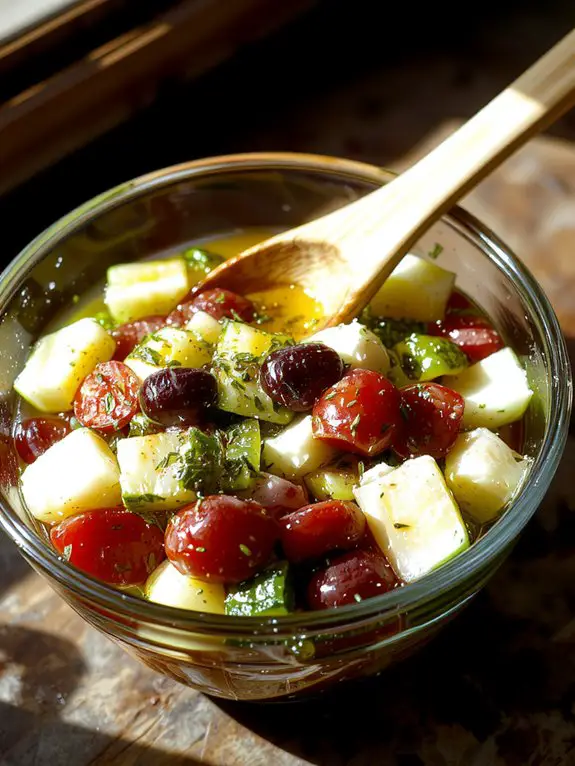

Recipe
Okay, let me stop you right there—if you’re still buying bottled Greek salad dressing, you’re missing out. Once you try this homemade version, you’ll never go back. It’s fresh, bold, and so ridiculously easy to whip up, you’ll wonder why you didn’t make it sooner.
The secret? A killer combo of extra-virgin olive oil, red wine vinegar, and a handful of herbs that come together in minutes. It’s tangy, zesty, and has this bright flavor that makes even the simplest salads taste like a Mediterranean dream.
Trust me, this isn’t just dressing—it’s a game-changer. Plus, you know exactly what’s going into it, so it’s healthier and tastier than anything from a store. Go grab your whisk—it’s time to elevate your salad game.
Ingredients
This Greek salad dressing is all about simplicity and freshness. The key is to use high-quality ingredients—they’re the backbone of this vibrant, tangy dressing.
Don’t skimp on the olive oil or vinegar; they’re what give this dressing its signature flavor.
- Extra virgin olive oil: The star of the show. Use a good-quality oil for a rich, fruity base that elevates the dressing.
- Red wine vinegar: Adds a bright, tangy kick. If you don’t have red wine vinegar, white wine vinegar or even lemon juice works as a substitute.
- Garlic: Freshly minced garlic is a must—it infuses the dressing with a bold, aromatic flavor.
- Dried oregano: Brings that classic Greek herbiness. Fresh oregano can be used, but the dried version is more authentic here.
- Dijon mustard: A small amount adds depth and helps emulsify the dressing. Yellow mustard can work in a pinch.
- Honey: Balances the acidity with a touch of sweetness. Maple syrup or agave can be substituted if needed.
- Salt and black pepper: Essential for seasoning. Use freshly cracked pepper for the best flavor.
Pro tip: Let the dressing sit for at least 30 minutes before serving to allow the flavors to meld together. It’s a game-changer!
How to Make the Best Authentic Greek Dressing Recipe

Store in an airtight container and refrigerate if not using immediately.
The flavors will deepen over time, so making it ahead can actually enhance the taste.
Visual cue: The dressing should look emulsified and slightly glossy when ready to serve.
Nutrition
This homemade Greek salad dressing is a healthy and flavorful addition to any salad. It contains simple ingredients packed with essential nutrients.
| Nutrition | Per Serving (2 tbsp) |
|---|---|
| Calories | 120 |
| Total Fat | 13g |
| Saturated Fat | 2g |
| Cholesterol | 0mg |
| Sodium | 150mg |
| Carbohydrates | 1g |
| Sugar | 1g |
| Protein | 0g |
Chef Tips
When making this Greek salad dressing, I always recommend using fresh, high-quality olive oil—it’s the backbone of the flavor. Opt for ripe, juicy lemons for bright acidity and avoid bottled juice.
Use dried oregano for authenticity, but rub it between your fingers to release its oils. Whisk the dressing vigorously to emulsify it.
Taste as you go, adjusting salt, pepper, or vinegar to your preference.
Frequently Asked Questions
Can I Freeze Greek Salad Dressing?
I wouldn’t recommend freezing Greek salad dressing because the olive oil can separate and change texture, while fresh ingredients like lemon juice or garlic may lose their flavor. I’d suggest storing it in the fridge instead.
How Long Does Homemade Greek Dressing Last?
I’d say homemade Greek dressing lasts about 1-2 weeks in the fridge if you store it in an airtight container. If it smells off or looks weird, I’d toss it—better safe than sorry.
Is Greek Dressing Gluten-Free?
I can tell you Greek dressing is usually gluten-free since it’s made with olive oil, vinegar, lemon juice, and herbs. I’d still check labels on ingredients like mustard or vinegar to confirm they’re gluten-free.
Can I Substitute Olive Oil With Another Oil?
You can substitute olive oil, but it’ll change the flavor. I’d try avocado oil for a similar richness or grapeseed oil for something lighter. Keep in mind, the traditional taste won’t be the same.
What Salads Pair Best With Greek Dressing?
Greek dressing pairs best with crisp, fresh salads. I love it on classic Greek salad with tomatoes, cucumbers, and feta, but it’s also great on chopped romaine, kale, or even a simple tomato and cucumber mix.


