The Best Homemade Greek Salad Recipe

Recipe
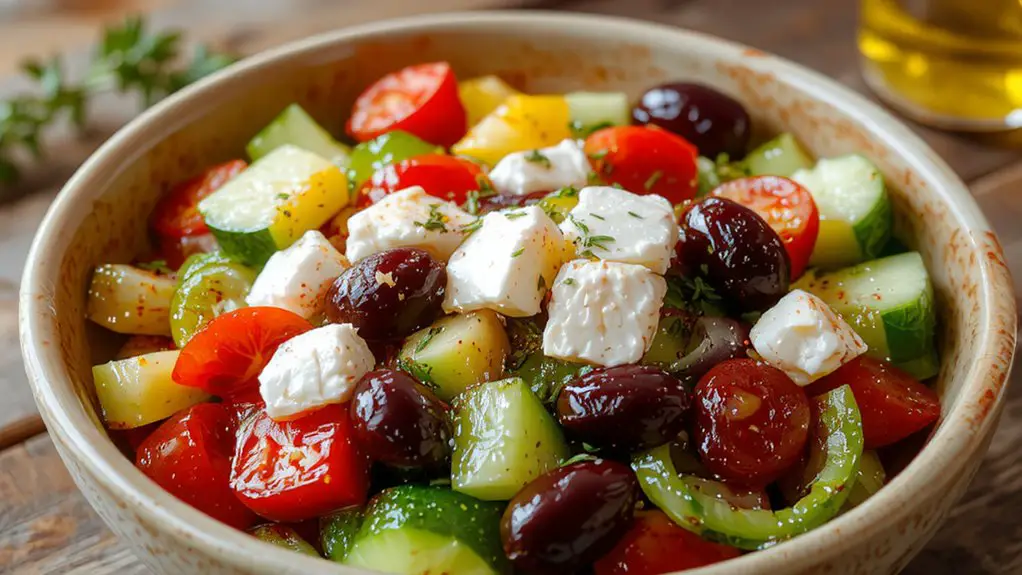
This Greek salad is the ultimate crowd-pleaser, and I can confidently say it’s the best you’ll ever make. Fresh, vibrant, and bursting with flavor, it’s a dish that’s as simple as it’s satisfying.
What makes it stand out? It’s all about the quality of the ingredients—crisp cucumbers, juicy tomatoes, briny Kalamata olives, and creamy feta cheese, all brought together with a zesty homemade dressing.
I’ve been making this for years, and it’s always the first thing to disappear at any gathering. The crunch of the veggies, the tang of the dressing, and the richness of the feta create a harmony of textures and flavors that’s downright irresistible.
Trust me, once you try this, there’s no going back to store-bought versions. Let’s make it happen!
Ingredients
The secret to a standout Greek salad lies in the freshness and quality of its ingredients—each one plays a vital role in creating that iconic balance of flavors and textures. Opt for ripe, seasonal produce and high-quality extras to elevate this classic dish. Here’s what you’ll need, along with tips and swaps to make it your own:
- Tomatoes: Use ripe, juicy tomatoes like beefsteak or heirloom for maximum flavor. Avoid underripe ones—they’ll lack sweetness.
- Cucumbers: English cucumbers are ideal for their crisp texture and minimal seeds. Regular cucumbers work too—just peel and seed them.
- Bell Peppers: Red or green peppers add crunch and color. For extra sweetness, go for orange or yellow.
- Red Onion: Thinly sliced for a sharp, tangy bite. Soak slices in ice water for 10 minutes to mellow the flavor if you prefer.
- Kalamata Olives: Their briny, rich taste is non-negotiable in a Greek salad. Don’t substitute with other olives—they won’t deliver the same depth.
- Feta Cheese: Opt for authentic Greek feta in brine for creaminess and tanginess. Crumbled feta works, but the block is worth the extra effort.
- Extra Virgin Olive Oil: High-quality EVOO is essential for the dressing—its rich, fruity notes tie the salad together.
- Red Wine Vinegar: Adds the perfect acidity. Substitute with white wine vinegar or lemon juice if needed.
- Oregano: Fresh or dried, oregano is key for that signature Greek flavor. Dried works fine, but fresh adds a vibrant touch.
- Salt and Pepper: Season thoughtfully—salt enhances the natural flavors of the veggies and complements the feta.
Little Wins:
- Add capers for an extra briny kick.
- Toss in a pinch of chili flakes for a subtle hint of heat.
- Garnish with fresh herbs like parsley or dill for a pop of color and freshness.
Stick to the essentials, but don’t be afraid to tweak based on your preferences—this salad is forgiving and adaptable.
How to Make the Best Authentic Greek Salad Recipe
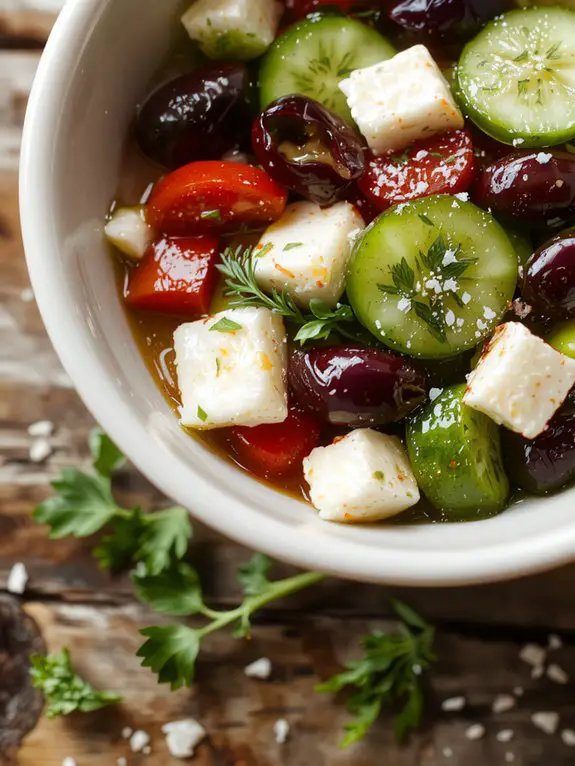
Top with feta: Crumble the feta cheese over the salad just before serving. This guarantees the cheese stays creamy and doesn’t get soggy.
For extra flavor, add a sprinkle of oregano or drizzle with a bit more olive oil.
Serve immediately: Greek salad is best enjoyed fresh. Letting it sit for too long can cause the vegetables to release moisture, making it less crisp.
Serve it alongside grilled meats or pita bread for a complete meal.
Pro Tip: If you need to prep ahead, keep the dressing and feta separate until just before serving. This maintains the integrity of the salad’s texture and flavors.
Nutrition
Greek salad is a nutritious dish packed with fresh vegetables, healthy fats, and protein. Here’s the approximate nutritional breakdown for a standard serving.
| Nutrient | Amount per Serving |
|---|---|
| Calories | 230 kcal |
| Total Fat | 18 g |
| Saturated Fat | 4 g |
| Cholesterol | 10 mg |
| Sodium | 320 mg |
| Total Carbohydrate | 10 g |
| Dietary Fiber | 3 g |
| Sugars | 5 g |
| Protein | 6 g |
| Vitamin D | 0 mcg |
| Calcium | 120 mg |
| Iron | 1.5 mg |
| Potassium | 280 mg |
Chef Tips
When preparing a Greek salad, I always recommend using the freshest ingredients you can find—it’s what makes all the difference. Cut your vegetables into uniform pieces for even bites.
Don’t skimp on high-quality olive oil and feta—they’re key flavors. Add the dressing just before serving to keep everything crisp.
Taste and adjust seasoning, as salt enhances the veggies. Keep it simple; let the ingredients shine.
Frequently Asked Questions
Can I Use a Different Type of Lettuce?
Sure, I can use a different type of lettuce if I want. Romaine or butter lettuce works well, but I’ll skip iceberg since it’s too watery. I’ll just make sure it’s crisp and fresh.
Is Feta Cheese Always Necessary?
Feta’s not always necessary, but I find it adds a tangy creaminess I love. If you’re out or prefer something else, try goat cheese or even ricotta salata for a similar salty, crumbly texture.
How Long Does Greek Salad Stay Fresh?
I’d say Greek salad stays fresh for about 2 days in the fridge if it’s undressed. Once you add the dressing, it’s best eaten the same day since the veggies can get soggy and lose their crunch.
Can I Add Chicken to Make It a Main Dish?
I’d definitely add grilled chicken to turn it into a main dish. Just chop it up and toss it in—it pairs perfectly with the fresh veggies and feta. You’ll love how filling and delicious it becomes.
What’s the Best Dressing for Greek Salad?
I’d go for a simple mix of olive oil, red wine vinegar, a bit of lemon juice, and oregano. It’s light, tangy, and complements the fresh veggies perfectly without overpowering the flavors of a Greek salad.


