The Best Homemade Halibut Recipe
Recipe
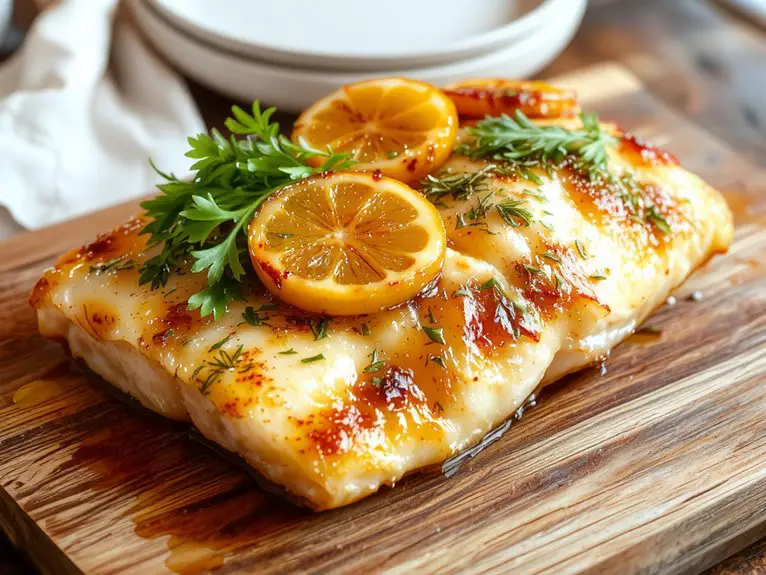
If you’re looking for a seafood dish that’s both impressive and surprisingly simple, this homemade halibut recipe is your answer. Fresh halibut, with its delicate yet meaty texture, shines when treated with care, and this method guarantees it’s perfectly flaky every time.
The secret? A combination of high-quality olive oil, zesty lemon, and fragrant herbs that elevate the fish without overpowering its natural flavor. I’ve served this to countless friends and family, and it never fails to bring smiles to the table.
Picture tender, buttery bites with a hint of brightness from the lemon and a subtle earthiness from fresh thyme and parsley. Trust me—once you try this, you’ll understand why it’s become my go-to for quick dinners and special occasions alike.
Ready to wow your taste buds? Let’s plunge in!
Ingredients
For the perfect homemade halibut, selecting the right ingredients is key to achieving a fresh, flavorful, and tender dish. Here’s what you’ll need, plus some expert tips to make it shine:
– Fresh halibut fillets: Opt for skin-on fillets for added flavor and moisture retention. Freshness is non-negotiable—look for firm, translucent flesh with a mild ocean scent.
*Substitution*: Cod or sea bass can work in a pinch, but halibut’s delicate texture is unmatched.
– Extra-virgin olive oil: Its fruity, robust flavor complements the fish beautifully. Don’t skimp—this is the backbone of your seasoning.
*Pro Tip*: Use a high-quality olive oil for a richer taste.
– Garlic cloves: Fresh garlic adds depth and aroma. Smash or mince it finely for even distribution.
*Substitution*: Garlic powder works in emergencies, but fresh is best.
– Lemon: Fresh Lemon zest and juice are essential for brightness. The zest packs a punch of flavor, while the juice adds acidity to balance the dish.
*Non-Negotiable*: Bottled lemon juice won’t cut it—use fresh for maximum impact.
– Fresh herbs (parsley or dill): Adds a pop of color and freshness. Parsley offers a mild, clean flavor, while dill brings a slightly sweet, grassy note.
*Pro Tip*: Add some chives or cilantro for a twist.
– Salt and freshly ground black pepper****: Season generously to enhance the natural flavors of the fish.
*Little Win*: Coarse sea salt adds a nice texture contrast.
- Optional extras:
- Butter: A small pat melted over the cooked halibut adds richness.
- White wine: Deglaze the pan for a light, aromatic sauce.
- Capers: For briny bursts of flavor.
With these ingredients, you’re set to create a dish that’s restaurant-quality, yet simple enough for any home cook.
How to Make the Best Pan-Seared Halibut Recipe
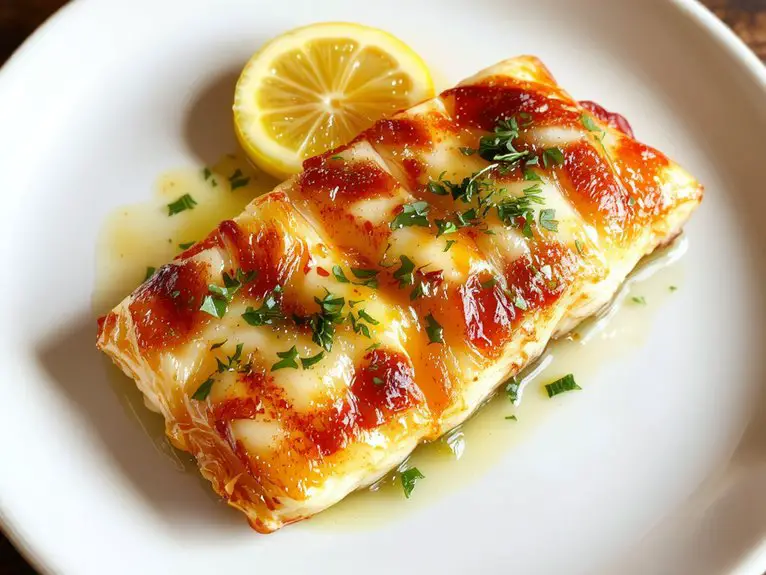
• Pat the halibut fillets dry with paper towels.
Moisture is the enemy of a good sear—drying guarantees crispy skin and prevents steaming.
• Season both sides generously with salt and pepper.
Even seasoning enhances flavor. Don’t skip the edges—they’re often forgotten but just as important.
• Heat a skillet (cast iron or stainless steel) over medium-high heat.
A hot pan is key for that golden crust. Test by flicking water—if it sizzles, you’re ready.
• Add a thin layer of high-smoke-point oil (like avocado or grapeseed).
Just enough to coat the pan. Too much oil can make the fish greasy instead of crisp.
• Place fillets skin-side down first, pressing gently for 10 seconds.
This prevents curling and guarantees full contact with the pan for even browning.
• Cook skin-side down for 3–4 minutes without moving.
Resist the urge to peek! Letting it sit builds that perfect crust.
• Flip carefully with a spatula and cook for another 2–3 minutes.
Fish is done when it flakes easily with a fork but still feels slightly firm in the center.
• Optional: Add butter, garlic, and herbs to the pan for the last minute.
Baste the fish for extra richness. Tilt the pan and spoon the melted butter over the fillets.
• Let rest for 2 minutes before serving.
This keeps juices locked in. Cover loosely with foil if needed.
Pro Tip: For extra-crispy skin, dust the skin side lightly with flour before seasoning.
Watch Out: Overcooking halibut dries it out fast—check early and trust the flake test.
Nutrition
This homemade halibut recipe is both delicious and nutritious. Here are the key nutritional details per serving:
| Nutrient | Amount |
|---|---|
| Calories | 220 kcal |
| Protein | 32 g |
| Fat | 8 g |
| Carbohydrates | 2 g |
| Fiber | 0 g |
| Sugar | 1 g |
| Sodium | 350 mg |
Chef Tips
When you’re preparing halibut, I always recommend patting the fillets dry first—it helps achieve that perfect sear. Season generously with salt and pepper just before cooking to enhance its natural flavor.
Use a hot pan with a high-smoke-point oil like avocado or grapeseed for crispiness. Don’t overcrowd the pan, and cook skin-side down until it’s golden.
Let it rest briefly before serving for optimum tenderness.
Frequently Asked Questions
Can I Use Frozen Halibut for This Recipe?
Yes, I can use frozen halibut, but I’d thaw it first for even cooking. I’d pat it dry to remove excess moisture, ensuring a better sear or crisp texture, depending on the recipe’s method.
What Sides Pair Well With Halibut?
I’d recommend pairing halibut with roasted asparagus, garlic mashed potatoes, or a fresh arugula salad. Lemon herb rice or quinoa also complements it well. Don’t forget a side of crusty bread—it’s always a winner!
How Do I Store Leftover Halibut?
I store leftover halibut in an airtight container in the fridge for up to 2 days. If I need it to last longer, I freeze it wrapped tightly in foil or plastic for up to 3 months.
Can I Grill the Halibut Instead of Pan-Searing?
Yes, I can totally grill halibut instead of pan-searing it. I’d preheat the grill to medium-high, oil the grates, and cook the fish for about 4–5 minutes per side until it’s flaky and opaque.
Is Halibut a Sustainable Fish Choice?
I think halibut’s sustainability depends on where it’s caught. Pacific halibut’s usually a better choice since it’s well-managed, but Atlantic halibut’s often overfished. I’d check sources like Seafood Watch to make sure I’m picking responsibly.


