The Best Homemade Hard Boiled Egg Recipe
Recipe
There’s nothing more satisfying than nailing the perfect hard-boiled egg—golden yolks, tender whites, and zero guessing involved. I’ve cracked the code (pun intended) to making foolproof eggs every single time, and trust me, once you try this method, you’ll never go back to the trial-and-error approach.
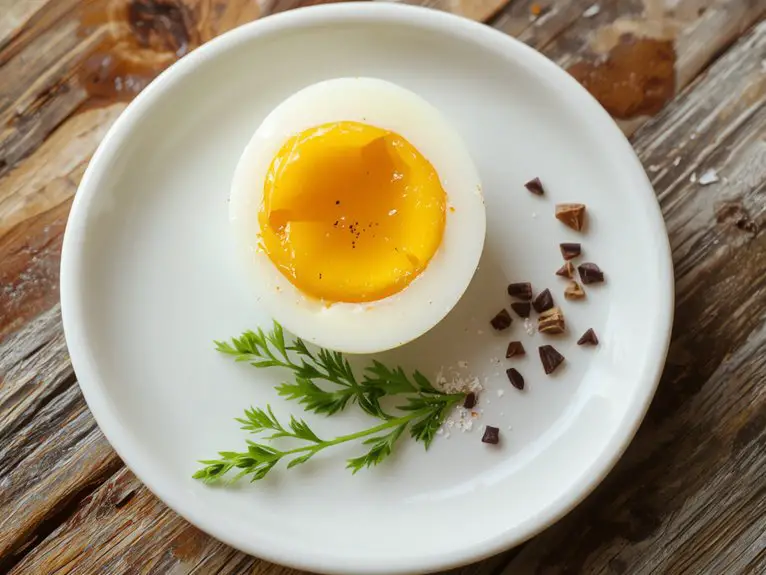
The secret? Timing and technique—those few extra minutes make all the difference between rubbery and silky smooth. Picture peeling back the shell to reveal a velvety yolk, firm but creamy, nestled in a tender white that’s just begging to be sprinkled with a pinch of sea salt or dipped into tangy mustard.
Whether you’re meal prepping for the week, crafting a killer salad, or just craving a quick, protein-packed snack, this recipe is your new go-to. Let’s get cracking!
Ingredients
Essential Ingredients:
- Fresh eggs – Older eggs peel easier, but fresh ones hold their shape better. For the best of both worlds, use eggs that are about a week old.
- Cold water – Starting eggs in cold water prevents cracking from sudden temperature changes.
- Salt (optional) – A pinch in the water helps prevent leaks if a shell cracks.
Pro Tips & Swaps:
- Vinegar (optional) – A splash in the boiling water can help seal cracks faster.
- Ice bath – Not an ingredient, but vital! Plunging boiled eggs into ice water stops cooking and makes peeling a breeze.
Non-Negotiables:
– Don’t skip the ice bath****—this step guarantees tender whites and prevents that dreaded green ring around the yolk.
Little Wins:
- Flaky sea salt & cracked pepper – Elevate plain eggs with a finishing sprinkle.
- Fresh herbs – Chives or dill add a pop of color and freshness.
How to Make the Best Perfect Boiled Eggs Technique
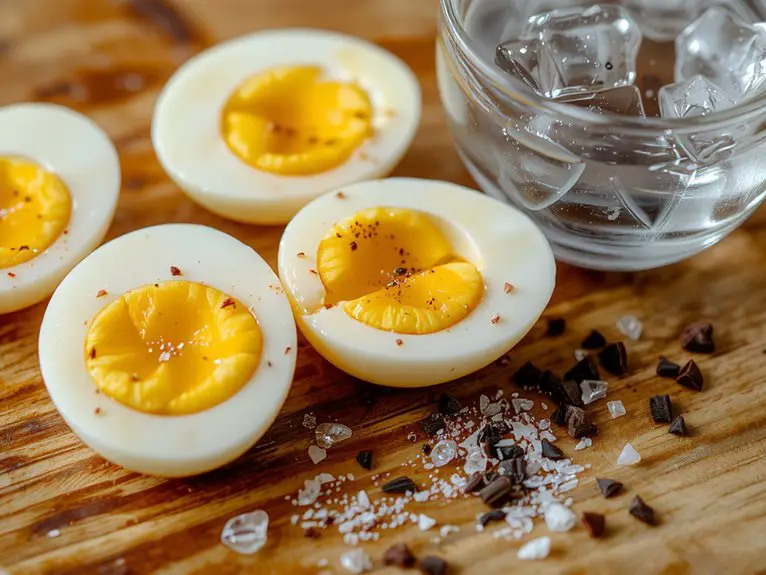
– Gently crack and roll eggs on a hard surface – This breaks the shell evenly.
Peel under running water to help remove stubborn bits.
Pro Tip: Older eggs peel easier—use ones near their expiration date.
Watch Out: Overcooking leads to greenish yolks and rubbery whites. Set a timer!
Flexibility: Adjust cook time by 1–2 minutes for altitude or egg size (jumbo vs. medium).
Nutrition
Hard-boiled eggs are a nutritious and protein-rich food. Here’s the nutritional breakdown per large egg (50g).
| Nutrient | Amount |
|---|---|
| Calories | 78 kcal |
| Protein | 6.3 g |
| Fat | 5.3 g |
| Carbs | 0.6 g |
| Cholesterol | 186 mg |
| Sodium | 62 mg |
Chef Tips
Anyone can master the art of hard-boiling eggs with a few simple tricks I’ve picked up over the years. Use older eggs—they peel easier.
Start with cold water and bring it to a boil, then reduce heat to a simmer. Time it perfectly: 9-12 minutes for hard-boiled.
Immediately plunge eggs into an ice bath to stop cooking and prevent that gray ring. These tips guarantee perfect eggs every time.
Frequently Asked Questions
Can I Use Eggs Straight From the Fridge?
Yes, you can use eggs straight from the fridge, but I find letting them sit for 10-15 minutes helps prevent cracking. Cold eggs can shock in boiling water, so bringing them closer to room temp works better.
How Do I Prevent the Eggs From Cracking While Boiling?
I gently place the eggs in a single layer in the pot and add enough water to cover them by an inch. Then, I start with cold water and heat it slowly to prevent cracking while boiling.
Why Do Some Eggs Have Green Yolks?
I’ve noticed eggs get green yolks when they’re overcooked—the heat makes sulfur in the whites react with iron in the yolks, forming that green ring. It’s safe to eat, but I try to avoid overcooking them.
Can I Reuse the Boiling Water for Another Batch?
I wouldn’t reuse boiling water for another batch—it could be cloudy or contain bits of eggshell, plus it’s lost minerals. Fresh water guarantees clean, consistent results, so I’d recommend starting with a new pot.
How Long Can I Store Hard-Boiled Eggs?
You can store hard-boiled eggs in the fridge for up to a week, but I’d peel them right before eating. Keep them in a sealed container—unpeeled eggs last longer than peeled ones. Don’t freeze them; they get rubbery.