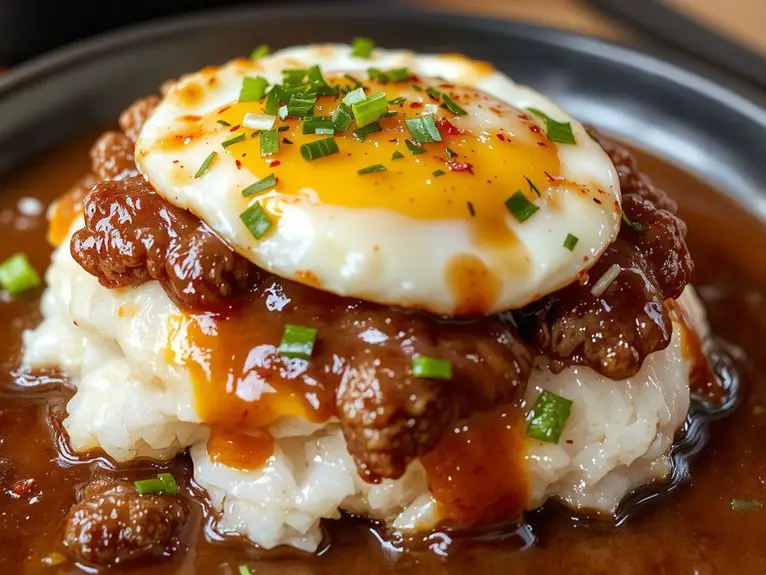
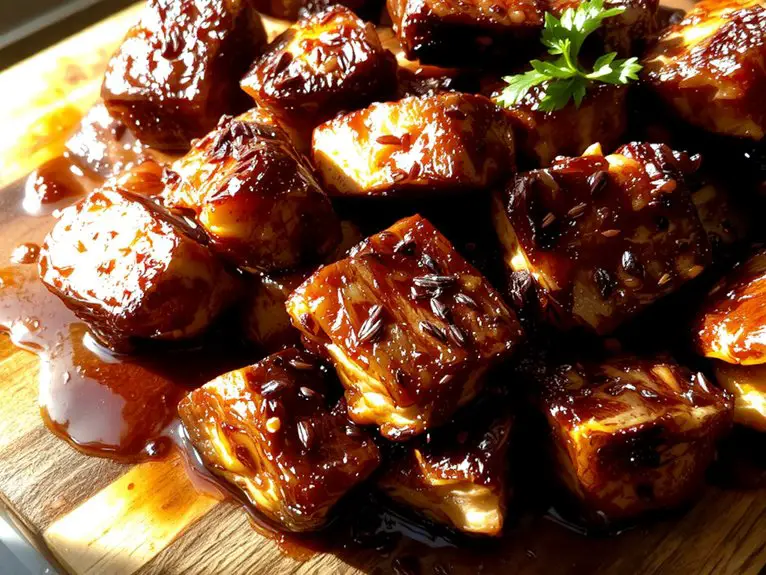
The Best Homemade Hibachi Recipe
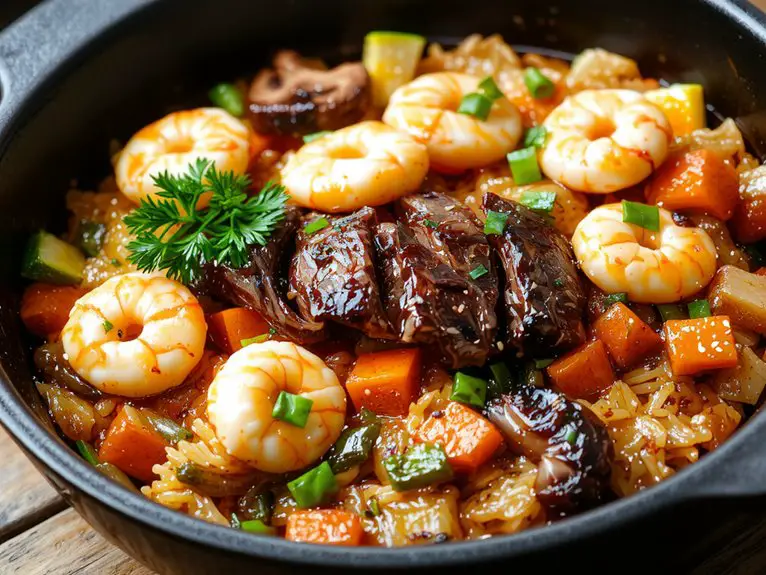
Recipe
There’s something magical about hibachi—the sizzle of fresh ingredients hitting a hot grill, the smoky aroma of garlic butter in the air, and the way every bite bursts with bold, savory flavor.
This homemade hibachi recipe is your ticket to restaurant-quality stir-fry without leaving your kitchen. The secret? A simple but killer garlic butter sauce that coats every piece of tender steak, crisp veggies, and fluffy fried rice.
Trust me, once you taste the caramelized edges on those juicy bites of meat and the buttery, umami-packed sauce, you’ll never order takeout again. It’s faster than delivery and way more fun to make—just grab your skillet and let’s get cooking!
Ingredients
To nail that authentic hibachi flavor at home, you’ll need a mix of fresh, high-quality ingredients and a few pantry staples. The key is balancing umami, sweetness, and a hint of smokiness—so don’t skimp on the sauces or the butter (trust us). Here’s what you’ll need:
Proteins (Pick Your Favorite):
- Ribeye steak (1 lb, thinly sliced) – The marbling guarantees tenderness. *Swap with chicken thighs or shrimp if preferred.*
- Large shrimp (optional, peeled & deveined) – For surf-and-turf vibes.
Veggies (Non-Negotiable for Texture):
- Zucchini (1, sliced into moons) – Adds a crisp, fresh contrast.
- Onion (1 large, sliced into rings) – Caramelizes beautifully on the grill.
- Mushrooms (8 oz, sliced) – Baby bellas or shiitake for extra depth. *Skip if you must, but they soak up the sauce like a dream.*
Hibachi Sauce (The Secret Weapon):
- Soy sauce (¼ cup) – Use low-sodium to control saltiness.
- Butter (3 tbsp) – Unsalted, because hibachi isn’t hibachi without it.
- Garlic (3 cloves, minced) – Fresh only—powder won’t cut it here.
- Ginger (1 tbsp, grated) – Brightens the whole dish. *Sub with ½ tsp ground ginger in a pinch.*
- Mirin (2 tbsp) – For sweetness. *No mirin? A splash of rice vinegar + ½ tsp sugar works.*
Extras for the Win:
- Sesame oil (1 tsp) – Drizzle at the end for nutty aroma.
- Green onions (for garnish) – Adds color and a sharp bite.
- Sesame seeds (toasted) – Optional but highly recommended for crunch.
*Pro Tip: Prep everything before heating the pan—hibachi moves fast!*
How to Make the Best Authentic Hibachi Preparation
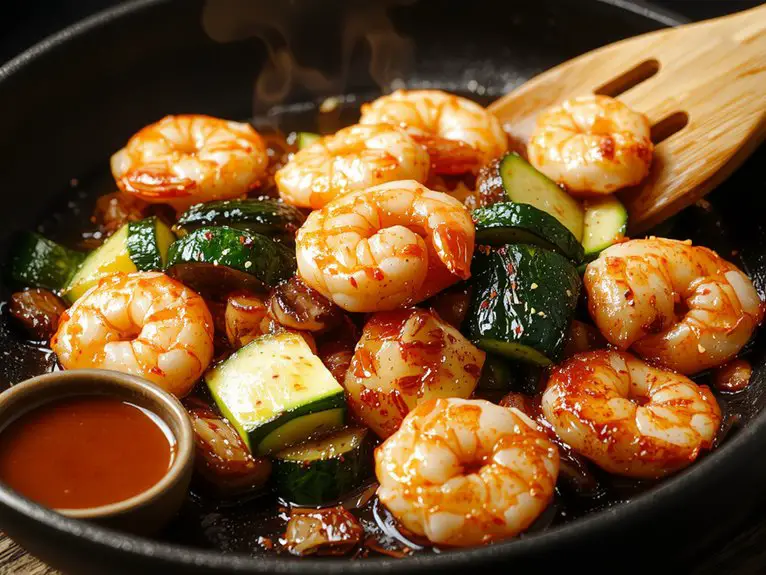
- Prepare your ingredients and equipment in advance. Make certain all vegetables, meat, and sauces are chopped, sliced, and measured before starting. This guarantees a smooth cooking process. Preheat your hibachi grill or large skillet to medium-high heat for peak cooking.
- Season the protein generously. Marinate your choice of meat (chicken, steak, or shrimp) with soy sauce, garlic, and a touch of sesame oil for at least 15 minutes. This enhances flavor and tenderizes the meat.
- Cook the protein first. Place the marinated meat on the hot grill or skillet, spreading it out evenly. Avoid overcrowding to confirm proper browning. Cook until fully done, flipping halfway through, and set aside.
- Sauté the vegetables separately. Add zucchini, onions, mushrooms, and carrots to the same grill or skillet. Toss frequently to prevent burning and cook until tender-crisp. A splash of soy sauce adds depth to the veggies.
- Prepare the hibachi fried rice. Push the vegetables to one side and add cooked rice to the grill. Crack an egg into the rice, breaking it up quickly with a spatula. Stir in soy sauce and a bit of butter for richness. Combine everything for a flavorful mix.
- Assemble and serve immediately. Plate the cooked protein, vegetables, and fried rice together. Garnish with sesame seeds and chopped green onions for a finishing touch. Serve while hot for the best flavor experience.
- Pro tip: Keep a spray bottle of water nearby. Use it to control flare-ups on the grill while cooking. This secures even cooking without charring.
- Flexibility note: Adjust cooking times based on your protein choice—shrimp cooks faster than chicken or steak, so keep an eye on it to avoid overcooking.
Nutrition
The homemade hibachi recipe provides a balanced combination of protein, vegetables, and flavorful sauces.
Here is the nutritional breakdown per serving:
Calories: 350
Total Fat: 12g
Saturated Fat: 3g
Cholesterol: 60mg
Sodium: 800mg
Total Carbohydrates: 25g
Dietary Fiber: 4g
Sugars: 8g
Protein: 28g
Chef Tips
Mastering hibachi at home isn’t just about ingredients—it’s about technique. I always preheat my pan until it’s smoking hot for that perfect sear.
Keep ingredients dry to avoid steaming, and don’t overcrowd the pan.
Toss food quickly with a flick of the wrist for even cooking.
Finally, let meat rest before slicing to lock in juices. Practice makes perfect!
Frequently Asked Questions
Can I Use Frozen Vegetables Instead of Fresh?
Yes, you can use frozen vegetables—I do it often when fresh ones aren’t handy. Just thaw and pat them dry first so they don’t water down the dish. They’ll still taste great!
What Type of Grill Is Best for Hibachi Cooking?
I’d recommend a flat-top griddle or cast iron skillet for hibachi-style cooking ‘cause they distribute heat evenly. Propane-powered outdoor grills also work well if I want that authentic smoky flavour in my dish.
Can I Substitute Soy Sauce With a Gluten-Free Option?
Yes, I can substitute soy sauce with gluten-free tamari—it’s the closest alternative in flavor and consistency. Coconut aminos also work if I’m avoiding soy entirely, though they’re sweeter. Both keep the dish gluten-free and delicious.
How Do I Store Leftover Hibachi Ingredients?
I’ll store leftover hibachi ingredients in airtight containers to keep them fresh. I usually separate cooked proteins, veggies, and sauces to avoid mushiness. I refrigerate cooked items for 3-4 days and freeze sauces for up to a month.
Can I Prepare Hibachi Sauce in Advance?
Yes, I can prepare hibachi sauce in advance. I’ll store it in an airtight container and refrigerate it for up to a week. Mixing it well before using guarantees it’s ready whenever I need it.