The Best Homemade Pasta Recipe
Recipe
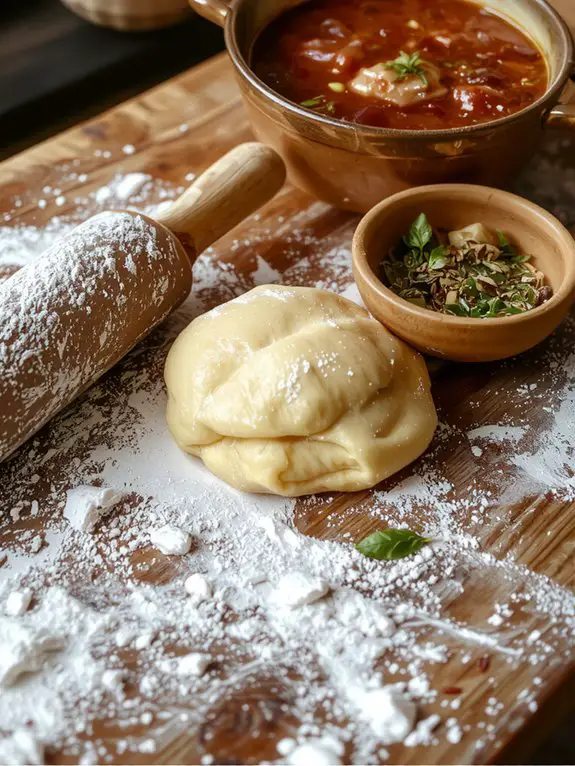
I can confidently say this homemade pasta recipe beats anything you’ll find in a box—hands down. There’s something magical about mixing flour and eggs by hand, rolling out the dough, and cutting it into silky ribbons that cook up with the perfect bite.
The secret? It’s all in the simplicity: just a handful of fresh ingredients and a little patience. I’ve been making this pasta for years—for weeknight dinners, special occasions, and everything in between—and it never fails to impress.
The texture is irresistibly tender yet firm, and it holds sauce like a dream. Trust me, once you taste fresh pasta made from scratch, there’s no going back.
Let’s get started—you’re about to elevate your pasta game in the best way possible.
Ingredients
Making homemade pasta might seem intimidating, but with the right ingredients, it’s surprisingly simple and deeply rewarding. The key lies in quality staples—nothing fancy, just the essentials done right. Here’s what you’ll need to create that perfect silky, fresh pasta dough:
– Type 00 Flour (Must-Have): This finely milled Italian flour is the gold standard for pasta. It creates a smooth, elastic dough that’s easy to work with.
If you can’t find it, all-purpose flour works in a pinch, but the texture won’t be quite as delicate.
- Eggs (Non-Negotiable): Fresh, large eggs are the heart of the dough, providing richness and structure. Room temperature eggs blend more smoothly into the flour.
- Semolina Flour (Optional, but Recommended): Perfect for dusting your work surface and preventing sticking. It adds a slight bite to the pasta’s texture.
- Salt (Don’t Skip): A pinch in the dough enhances the flavor. You’ll also need more for cooking the pasta in salted water later.
- Olive Oil (Optional): A teaspoon adds a subtle richness and helps make the dough more pliable.
Pro Tip: If you’re feeling adventurous, swap in flavored oils like truffle or herb-infused for an extra layer of taste.
And remember, the fresher your ingredients, the better your pasta will turn out.
How to Make the Best Handmade Semolina Pasta Recipe
Prep Reminders: Confirm all ingredients are at room temperature for easier mixing.
Order of Operations: Start by measuring all ingredients accurately. Begin with the dry ingredients, followed by wet ingredients, and then combine them systematically.
Why Behind the Steps: Sifting the flour helps incorporate air, making the dough lighter. Kneading the dough develops gluten, which gives the pasta its chewiness.
Time-Saving Tricks: Use a pasta machine if available to speed up the rolling process. Alternatively, roll the dough thinly and evenly by hand.
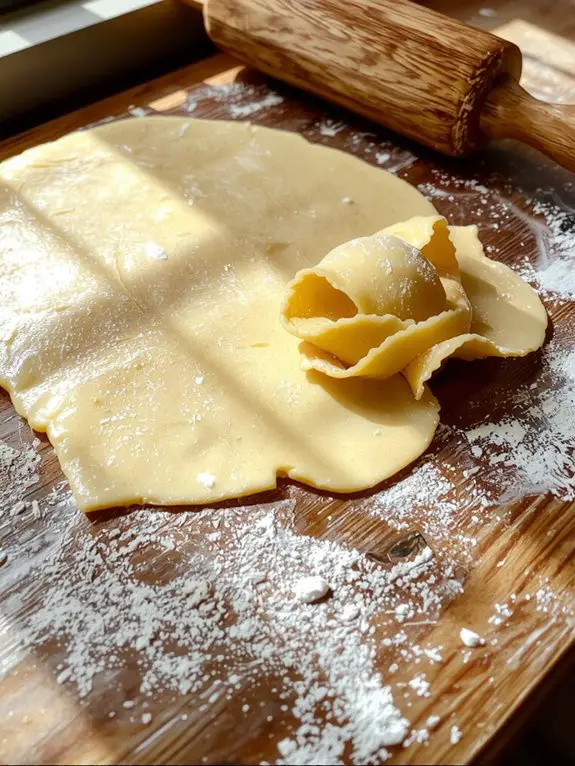
Visual Cues: The dough should be smooth and elastic, not sticky. When rolled out, it should be thin enough to see light through it.
Flexibility: Adjust the water as needed; the dough should be firm but pliable. If it’s too dry after resting, knead in a bit more water.
Begin by mixing semolina flour with all-purpose flour in a large bowl. Create a well in the center and crack eggs into it. Gradually incorporate the flour into the eggs using a fork until a shaggy dough forms.
Knead the dough on a lightly floured surface for about 10 minutes until smooth and elastic. Wrap the dough in plastic wrap and let it rest at room temperature for 30 minutes to relax the gluten.
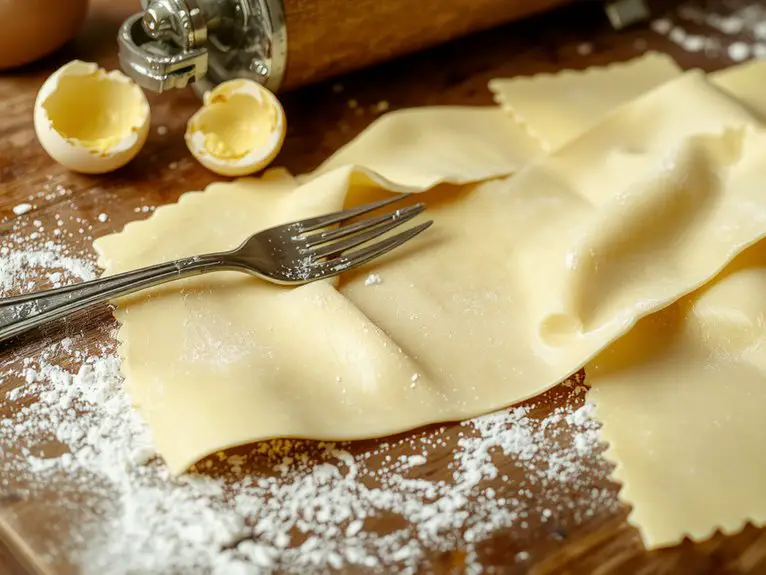
Cut the dough into manageable pieces. Roll each piece through a pasta machine starting with the widest setting and gradually decreasing to the desired thickness. Alternatively, roll thinly with a rolling pin.
Cut into desired pasta shapes either by hand or using machine attachments. Once cut, dust the pasta lightly with semolina flour to prevent sticking. Cook immediately in boiling salted water for 2-3 minutes or until al dente. Alternatively, let it dry on a pasta rack for later use.
Serve fresh with your favorite sauce for a truly authentic homemade pasta experience.
Nutrition
Homemade pasta provides a good source of carbohydrates and protein. It can be customized with additional ingredients for added nutrition.
| Nutrition | Per Serving (100g) |
|---|---|
| Calories | 131 |
| Carbs | 25g |
| Protein | 5g |
| Fat | 1g |
| Fiber | 1g |
| Sodium | 10mg |
| Sugar | 0g |
Chef Tips
When I prepare pasta from scratch, I find that using high-quality flour makes all the difference. Knead the dough until smooth—it should spring back when pressed.
Rest it wrapped for 30 minutes to relax the gluten. Roll it thin but not translucent for perfect texture.
Dust with semolina to prevent sticking. Cook in salted boiling water just until al dente. Fresh pasta cooks fast, so watch closely.
Frequently Asked Questions
How Do I Store Homemade Pasta Dough?
I wrap my homemade pasta dough tightly in plastic wrap to prevent drying. I store it in the fridge if using it the same day or freeze it for longer preservation, ensuring it stays fresh and ready to use.
Can I Use a Rolling Pin Instead of a Pasta Machine?
Yes, I can use a rolling pin instead of a pasta machine. It takes more effort, but I’ll roll the dough thinly and evenly. I might dust it with flour to prevent sticking and keep working until it’s smooth.
How Long Does Fresh Pasta Take to Cook?
Fresh pasta cooks in about 2-4 minutes. I’ve found it’s done when it floats to the surface and feels tender but still has a bit of bite. Watch it closely; it cooks way faster than dried pasta.
Can I Freeze Homemade Pasta?
Yes, I freeze homemade pasta all the time. I lay it flat on a baking sheet until solid, then transfer it to a freezer bag. It stays fresh for months, and I cook it straight from frozen.
What’s the Difference Between Fresh and Dried Pasta?
Fresh pasta’s made with eggs and flour, giving it a softer texture and quicker cook time—just a few minutes. Dried pasta’s eggless, shelf-stable, and firmer, needing longer to cook. I prefer fresh for its tenderness and flavor.


