The Best Homemade Irish Stew Recipe
Recipe
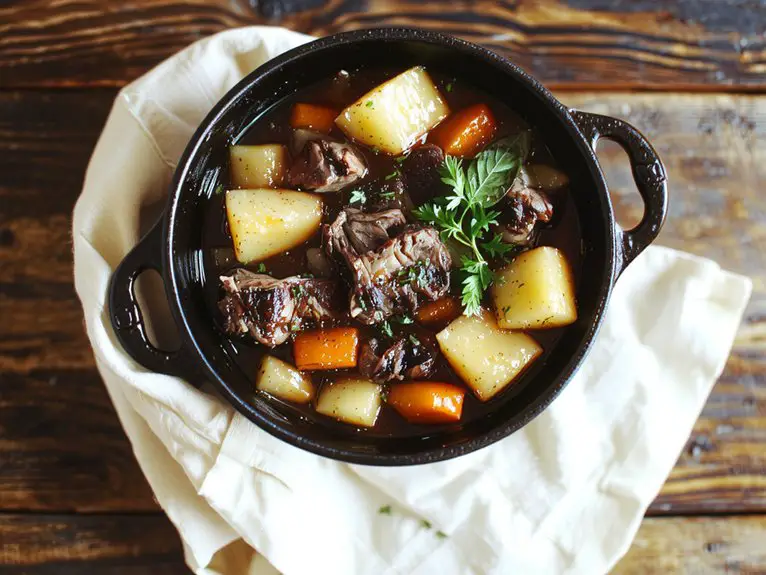
This Irish stew is the ultimate comfort food, and I can promise you it’s worth every second of effort. What sets it apart? The slow simmering of tender lamb, hearty potatoes, and sweet carrots in a rich, savory broth that’s infused with fresh herbs.
It’s the kind of dish that fills your kitchen with irresistible aromas and warms you up from the inside out. I’ve been making this recipe for years, and it’s always a hit—whether it’s a cozy family dinner or a crowd-pleasing potluck.
The secret is simplicity: letting quality ingredients shine and allowing time to work its magic. Trust me, one bite of this stew, and you’ll understand why it’s a classic.
It’s hearty, flavorful, and utterly satisfying—a bowl of pure Irish comfort you’ll want to make again and again. Even if you’re not a seasoned cook, this recipe is approachable and foolproof. Let’s get started on something truly delicious!
Ingredients
The secret to a truly authentic Irish stew lies in the simplicity and quality of the ingredients. Traditional recipes stick to humble, hearty components that meld together into something greater than the sum of their parts. Here’s what you’ll need—plus a few insider tricks to make it unforgettable.
- Lamb shoulder (or neck): The star of the show. Shoulder is rich with connective tissue that breaks down into melt-in-your-mouth tenderness. (Sub: Beef chuck if lamb’s hard to find, but lamb’s earthy depth is worth seeking out.)
- Potatoes (floury, like Russets): They’ll thicken the stew as they cook. Waxy potatoes hold their shape but won’t give you that velvety texture.
- Carrots & onions: Classic aromatics. Chop them chunky—they should stand up to long cooking.
- Lamb or beef stock: Homemade is ideal, but a good-quality store-bought works. (Pro tip: If using store-bought, dilute with water 1:1 to avoid over-salting.)
- Fresh thyme & bay leaves: Non-negotiables. Dried herbs lack the bright, herbal punch.
- Pearl barley (optional): Adds a nutty chew and stretches the stew further. Soak it first to cut cooking time.
- Salt & black pepper: Season in layers—a pinch when browning the meat, again before simmering, and a final adjustment at the end.
Little win: A splash of Guinness or red wine deglazed after browning the meat adds deep, malty richness. Not traditional, but chefs do it for a reason.
How to Make the Best Traditional Lamb Stew Method
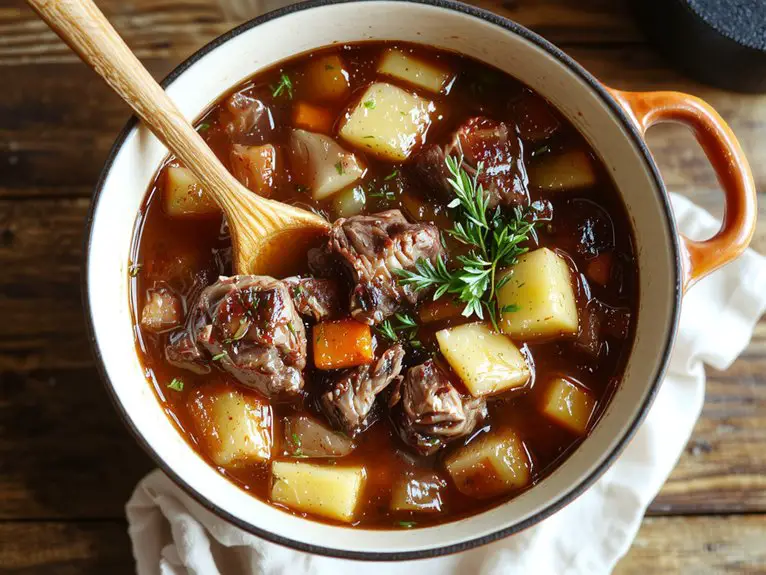
– Simmer the stew on low heat for 2–3 hours. Slow cooking allows the lamb to become tender and infuses the broth with rich flavors.
Keep the lid slightly ajar to prevent boiling while maintaining a gentle simmer.
– Skim any fat or impurities that rise to the surface. This keeps the broth clear and enhances the dish’s overall flavor.
Use a slotted spoon or ladle for easy removal.
– Add fresh herbs (like thyme and parsley) during the last 30 minutes. This preserves their delicate flavor and aroma.
Avoid adding them too early, as prolonged cooking can dull their impact.
– Taste and adjust seasoning before serving. The flavors will concentrate as the stew simmers, so wait until the end to add salt and pepper.
A pinch of salt can bring out the dish’s richness, while freshly ground pepper adds a subtle kick.
– Let the stew rest for 10–15 minutes before serving. This allows the flavors to meld and the meat to reabsorb some of the juices, resulting in a more cohesive and delicious dish.
Pro Tip: For an extra layer of flavor, use a combination of beef and chicken broth. The beef broth adds richness, while the chicken broth lightens the overall taste.
Watch Out: Avoid overcooking the vegetables—they should be tender but still hold their shape.
If they start to break down, reduce the heat slightly to maintain their texture.
Nutrition
Irish stew offers a hearty meal packed with essential nutrients. Below is the nutritional breakdown per serving.
Calories: 320 | Protein: 28g | Fat: 12g | Carbs: 22g | Fiber: 4g
Sodium: 480mg | Cholesterol: 70mg | Potassium: 800mg | Vitamin A: 15% | Vitamin C: 20%
Chef Tips
Beyond its nutritional benefits, I’ve found a few tricks that make Irish stew really shine.
Brown the lamb first for deeper flavor, and don’t rush the simmer—low and slow tenderizes the meat perfectly.
Use a splash of Guinness for richness, and add potatoes last so they don’t turn mushy.
A sprinkle of fresh parsley at the end brightens everything up. Trust me, it’s worth it.
Frequently Asked Questions
Can I Use Beef Instead of Lamb?
Yes, you can absolutely use beef instead of lamb—it’s what I often do when I don’t have lamb handy. Just make sure it’s a tender cut, and let it simmer longer to get that rich flavor.
What’s the Best Side Dish to Serve With Irish Stew?
I’d pair Irish stew with creamy mashed potatoes or crusty bread to soak up the broth. A simple green salad or steamed cabbage also works well to balance the richness. You can’t go wrong with these.
Can I Make Irish Stew in a Slow Cooker?
Yes, I make Irish stew in a slow cooker all the time. Just brown the meat, toss everything in, and let it simmer on low for 8 hours. It’s easy, and the flavors meld perfectly.
How Long Does Homemade Irish Stew Last in the Fridge?
Homemade Irish stew lasts about 3-4 days in the fridge if I store it properly in an airtight container. I always check for odors or mold before reheating, just to stay on the safe side.
Can I Freeze Irish Stew for Later Use?
Yes, I can freeze Irish stew for later use. I’ll cool it completely, portion it into airtight containers or freezer bags, and label with the date. It’ll stay good for up to three months.


