The Best Homemade Kombucha Recipe

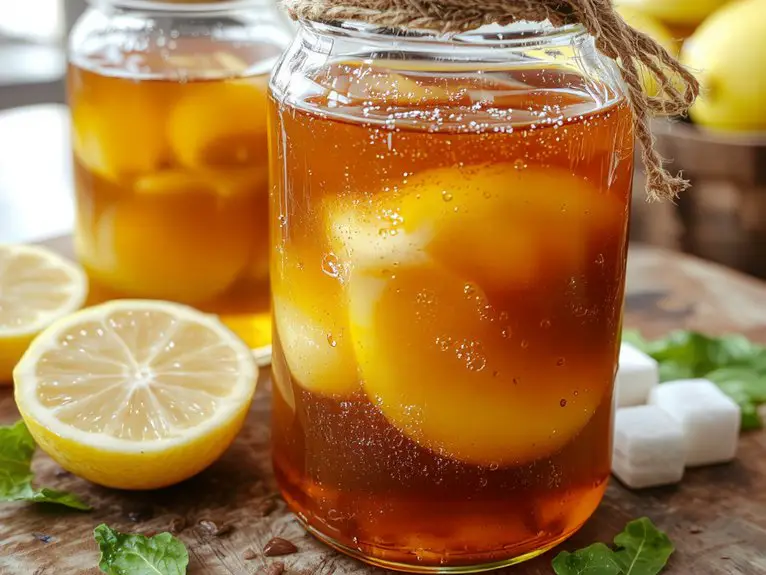
Recipe
There’s nothing quite like the fizzy, tangy kick of homemade kombucha—and once you try brewing your own, you’ll never go back to store-bought. This recipe is foolproof, packed with probiotic goodness, and totally customizable to your taste.
I’ve been making batches for years, tweaking the process until it’s just right, and now my SCOBY (that weird, rubbery culture) is practically part of the family.
The magic happens when sweet tea transforms into something effervescent, slightly tart, and bursting with flavor—whether you like it fruity, floral, or straight-up classic.
Trust me, once you taste that first sip of your own brew, you’ll be hooked. Let’s get fermenting!
Ingredients
Making kombucha at home is easier than you think, and it all begins with the right ingredients. The key is to select high-quality components to guarantee your brew is flavorful, fizzy, and safe. Don’t worry—once you have the basics, you can adjust it to suit your taste. Here’s what you’ll need:
- Black or Green Tea Bags (4–6): High-quality tea is vital for a robust flavor. Black tea is traditional, but green tea works for a lighter taste. Avoid flavored teas with oils, as they can harm the SCOBY.
- Granulated Sugar (1 cup): This is the fuel for fermentation. White cane sugar is ideal—don’t substitute with honey or artificial sweeteners; they won’t work the same.
- Filtered Water (1 gallon): Tap water often contains chlorine, which can kill the SCOBY. Use filtered or boiled (and cooled) water for the best results.
- SCOBY (1): The Symbiotic Culture of Bacteria and Yeast is the core of kombucha. You can grow your own or get one from a friend or reputable source.
- Starter Tea (1–2 cups): This is kombucha from a previous batch or store-bought raw, unflavored kombucha. It provides the acidity needed to initiate fermentation.
*Pro Tip*: If you’re short on time, use store-bought unflavored kombucha as both your starter tea and a way to accelerate SCOBY formation.
*Substitutions*: You can experiment with herbal teas like rooibos or white tea after your first batch, but stick to black or green tea for the initial brew to guarantee the SCOBY stays healthy.
*Non-Negotiables*: The SCOBY and starter tea are indispensable—without them, fermentation won’t happen. Don’t skip these!
*Little Wins*: Add fresh fruit, herbs, or spices during the second fermentation (after removing the SCOBY) for endless flavor possibilities. Think ginger, berries, or citrus for a revitalizing twist.
How to Make the Best Traditional Kombucha Brewing Method
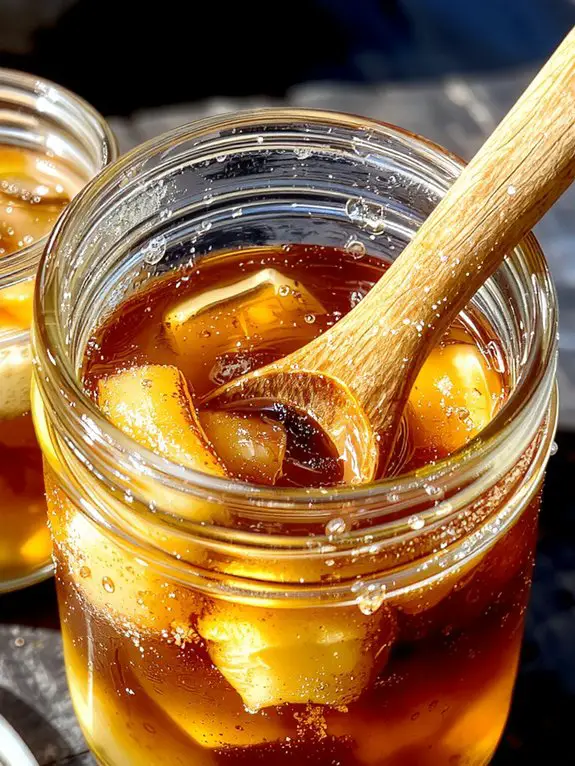
– Place the SCOBY gently – Slide it into the jar, smooth side up. It may sink or float—both are fine.
Cover with a breathable cloth and secure with a rubber band to keep out pests.
– Ferment for 7-14 days – Store in a warm (70-80°F), dark place.
Taste-test after a week—tangy flavor means it’s ready. Longer fermentation = more sour.
– Bottle for carbonation (optional) – Transfer kombucha to airtight bottles, leaving 1-2 inches of headspace.
Add fruit juice or sugar for fizz. Seal and ferment 2-4 more days at room temp.
– Refrigerate to stop fermentation – Chill before drinking to slow carbonation and prevent over-fermentation.
Pro Tips:
- Use a wooden or plastic spoon—metal can react with the acidic kombucha.
- If mold appears (fuzzy spots), discard the batch and start fresh.
- Reserve 1-2 cups of finished kombucha as starter liquid for your next brew.
Watch-Outs:
- Avoid direct sunlight—it can weaken the SCOBY.
- Don’t tighten bottle lids too much during carbonation—pressure buildup can cause explosions.
Nutrition
Kombucha is a fermented tea beverage that offers a range of nutrients due to its probiotic content and fermentation process. Below is the nutritional breakdown per 8-ounce serving.
| Nutrient | Amount (per 8 oz) |
|---|---|
| Calories | 30 |
| Carbohydrates | 7g |
| Sugars | 2g |
| Protein | 0g |
| Fat | 0g |
| Sodium | 10mg |
| Probiotics | Varies |
Chef Tips
While brewing kombucha at home can seem intimidating, I’ve found that a few simple tricks make the process smoother. Use filtered water to avoid chlorine killing your SCOBY.
Keep fermentation temps between 75-85°F for best results. Taste-test daily after day 7 to prevent over-fermentation.
Always sanitize jars and tools to avoid mold. Second ferment with fruit? Strain before bottling to avoid explosions.
Happy brewing!
Frequently Asked Questions
How Long Does Homemade Kombucha Last?
I’ve found my homemade kombucha lasts about 1-2 weeks in the fridge once it’s ready. If I leave it out, it keeps fermenting and gets too sour, so I always refrigerate it to stop the process.
Can I Use Flavored Tea for Kombucha?
Yes, you can use flavored tea for kombucha, but I’d avoid blends with oils or artificial flavors—they might harm the SCOBY. Stick to natural fruit or floral teas if you want subtle flavor variations in your brew.
What Happens if My Kombucha Doesn’T Ferment?
If my kombucha doesn’t ferment, it’s usually because the SCOBY’s inactive or the temperature’s too low. I’d check if it’s warm enough and confirm the SCOBY’s healthy. If nothing changes, I’ll start fresh.
Is Kombucha Safe for Kids to Drink?
I’d say kombucha isn’t usually safe for kids because it contains caffeine, alcohol from fermentation, and acids that can upset their stomachs. It’s best to consult a pediatrician before giving it to a child.
Can I Reuse My SCOBY for Multiple Batches?
Yes, I can reuse my SCOBY for multiple batches. It grows stronger with each use, and I just need to keep it healthy by storing it in starter tea when not in use and maintaining clean brewing practices.


