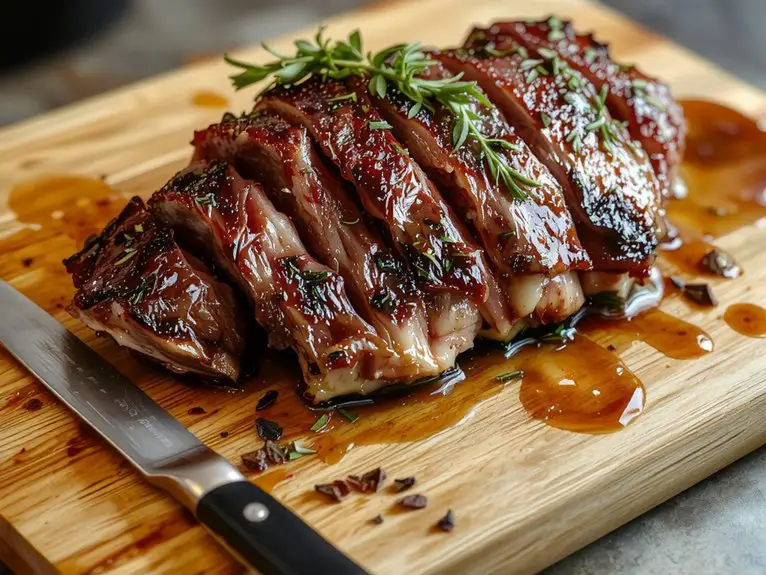
The Best Homemade Korean Beef Recipe
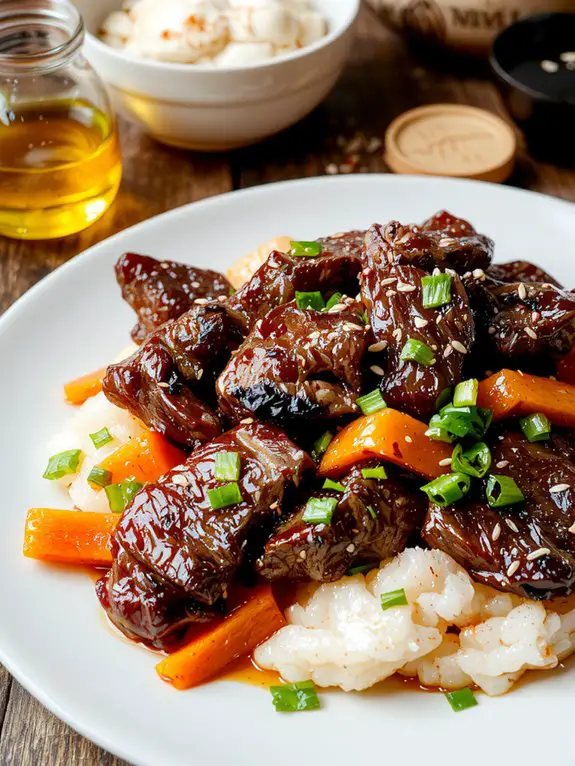
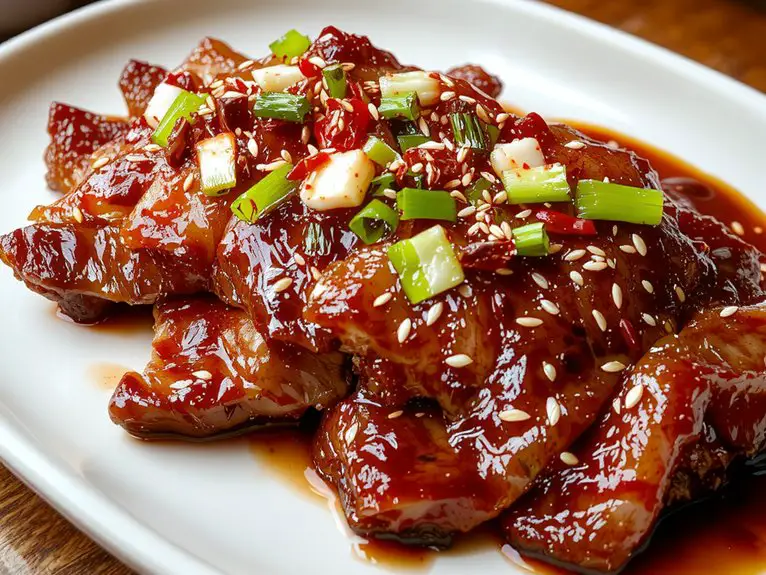
Recipe
Get ready to take your taste buds on a trip to Korea with this mouthwatering Korean beef recipe that’s as easy as it’s delicious. I’ve made this dish countless times, and every single bite is a flavor explosion you won’t forget.
The secret? A perfectly balanced marinade of soy sauce, sesame oil, ginger, and garlic that transforms tender beef into something truly special. Slightly sweet, savory, and packed with umami, it’s the kind of dish that’ll have everyone asking for seconds—or thirds.
Whether you’re serving it over steamed rice, tossing it into a stir-fry, or wrapping it in crisp lettuce leaves, this recipe is a guaranteed crowd-pleaser. Trust me, once you try it, it’ll become a regular in your dinner rotation. Let’s get cooking!
Ingredients
When it comes to Korean beef, the magic lies in the balance of sweet, savory, and umami flavors. The right ingredients make all the difference, so let’s break it down. Start with a quality cut of beef—thinly sliced sirloin or ribeye works best for tender, quick cooking.
The marinade is key: soy sauce for depth, brown sugar for sweetness, sesame oil for nutty richness, garlic and ginger for that unmistakable Korean flavor punch. Pro tip: toast your sesame seeds for an extra layer of aroma, and don’t skimp on the green onions—they add freshness and color.
- Beef: 1 lb thinly sliced sirloin or ribeye (freeze for 20 minutes for easier slicing)
- Soy sauce: ¼ cup (low-sodium works too)
- Brown sugar: 3 tbsp (or honey for a natural sweetness)
- Sesame oil: 1 tbsp (don’t substitute—this is non-negotiable for authentic flavor)
- Garlic: 4 cloves, minced (fresh is best, but 1 tsp garlic powder works in a pinch)
- Ginger: 1 tbsp minced (or 1 tsp ground ginger if fresh isn’t available)
- Sesame seeds: 1 tbsp, toasted (optional but highly recommended)
- Green onions: 3-4, thinly sliced (reserve some for garnish)
- Vegetable oil: 1 tbsp (for cooking—avocado or canola oil works too)
- Rice vinegar: 1 tsp (for a hint of tang—mirin or apple cider vinegar can substitute)
For an extra touch, serve with steamed rice, kimchi, or a sprinkle of gochugaru (Korean chili flakes) if you like it spicy. These ingredients, when combined, create a dish that’s rich, flavorful, and restaurant-worthy.
How to Make the Best Flavorful Soy-Glazed Korean Beef
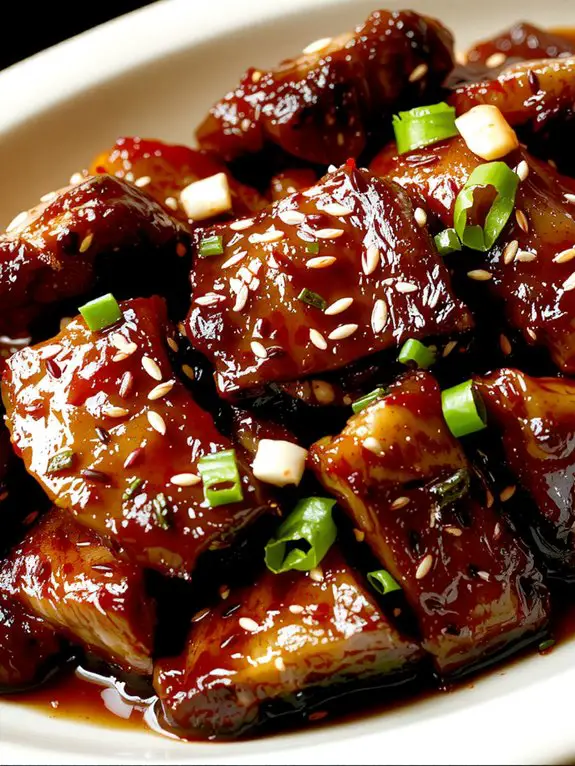
- Marinate the beef
- Combine soy sauce, brown sugar, minced garlic, grated ginger, and sesame oil in a bowl.
- Add thinly sliced beef and mix well, making sure each piece is coated. Let it sit for at least 15 minutes (or up to 1 hour for deeper flavor).
- *Pro Tip:* Use ribeye or sirloin for tenderness. Freezing the beef for 30 minutes before slicing makes it easier to cut thinly.
- Cook the beef
- Heat a large skillet or wok over medium-high heat. Add a splash of oil.
- Working in batches, sear the beef for 1-2 minutes per side until browned but still slightly pink. Avoid overcrowding the pan—this guarantees a good sear.
- *Watch Out:* Overcooking will make the beef tough. Remove it from the pan as soon as it’s done.
- Make the glaze
- In the same pan, add a bit more oil if needed, then sauté chopped scallions and a pinch of red pepper flakes for 30 seconds.
- Pour in the remaining marinade and bring to a simmer. Cook for 2-3 minutes until slightly thickened.
- Why This Works:Reducing the marinade concentrates the flavors and secures food safety.
- Combine and finish
- Return the beef to the pan, tossing gently to coat with the glaze. Cook for another 1-2 minutes.
- Garnish with toasted sesame seeds and extra scallions.
- Flexibility:For extra veggies, stir-fry bell peppers or mushrooms before adding the glaze.
- Serve immediately
- Best enjoyed hot over steamed rice or with crisp lettuce leaves for wraps.
- Pro Tip:A squeeze of lime brightens the dish. Leftovers reheat well—just avoid microwaving too long to keep the beef tender.
Nutrition
This Korean beef recipe is packed with flavor and nutrients. Here’s the nutritional breakdown per serving.
| Nutrient | Amount per Serving |
|---|---|
| Calories | 320 kcal |
| Protein | 25g |
| Fat | 12g |
| Carbohydrates | 20g |
| Fiber | 2g |
| Sugar | 10g |
| Sodium | 800mg |
Chef Tips
For the best results with this Korean beef recipe, I recommend marinating the meat for at least an hour—overnight if you can. Thinly slice the beef against the grain for tenderness.
Use high heat when cooking to sear quickly and lock in flavor. Don’t overcrowd the pan; cook in batches if needed.
Garnish with sesame seeds and green onions for freshness and crunch. Serve immediately for maximum flavor.
Frequently Asked Questions
Can I Use This Recipe for Meal Prep?
Yes, you can use this recipe for meal prep—it reheats well and stays flavorful. I make a big batch, portion it into containers, and store it for up to 4 days. Just warm it up when you’re ready to eat.
Is This Dish Suitable for Freezing?
Yes, I’d freeze this dish—it holds up well. Just store it in an airtight container, and it’ll keep for up to three months. Thaw it overnight in the fridge before reheating for best results.
Can I Substitute Soy Sauce With Coconut Aminos?
Yes, I’d use coconut aminos instead of soy sauce if I want a sweeter, milder flavor. It’s a great alternative for me when I’m avoiding soy or gluten, but I’d adjust seasoning to balance the taste.
What Side Dishes Pair Well With Korean Beef?
I’d pair Korean beef with steamed rice, kimchi, and pickled radishes. A fresh cucumber salad or stir-fried spinach works well too. Sometimes I add roasted sesame seeds or a fried egg for extra flavor.
How Long Can I Store Leftovers in the Fridge?
I store leftovers in the fridge for up to three or four days. If I need them to last longer, I freeze them and keep them for about two or three months until I’m ready to reheat.