The Best Homemade Lemon Curd Recipe
Recipe
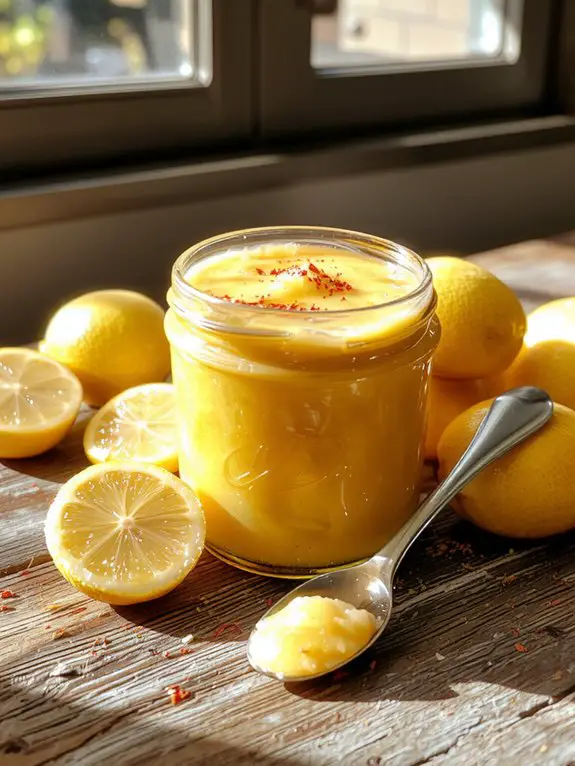
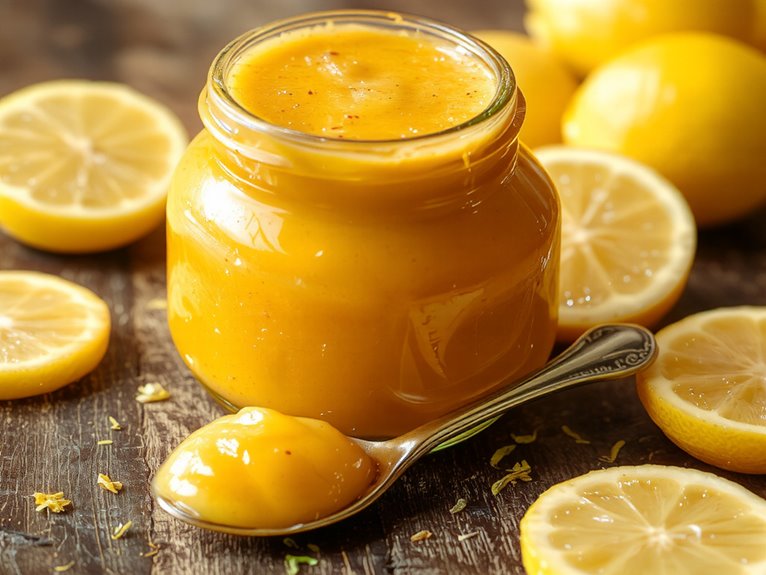
There’s something magical about homemade lemon curd—it’s like sunshine in a jar, bursting with bright, tangy flavor and silky smooth texture. Once you taste this version, store-bought will never compare.
Made with fresh lemon juice, real butter, and just the right balance of sweetness, it’s the kind of recipe that turns simple desserts into showstoppers. Spread it on scones, swirl it into yogurt, or eat it straight off the spoon (no judgment here).
Trust me, once you whip up a batch, you’ll wonder why you didn’t make it sooner. Let’s get zesting!
Ingredients
The secret to perfect lemon curd lies in balancing tartness and sweetness while achieving that velvety-smooth texture. Quality ingredients make all the difference—here’s what you’ll need and why each one matters:
- Fresh lemons (4-6, depending on size): Non-negotiable. Bottled juice lacks brightness, and the zest adds essential citrus oils for depth. Pro tip: Roll lemons on the counter before juicing to maximize yield.
- Granulated sugar (1 cup): Adjust slightly if you prefer tangier curd, but don’t reduce too much—it helps thicken the mixture.
- Eggs (4 large, whole + 2 yolks): The extra yolks create a richer, silkier consistency. Room temperature blends smoother.
- Unsalted butter (½ cup, cubed): Cold butter stirred in at the end gives the curd its glossy finish. Salted butter can throw off the flavor balance.
- Pinch of salt: Enhances all the flavors without making it taste salty.
Substitutions & Upgrades:
- Out of fresh lemons? Use Meyer lemons for a sweeter, floral twist.
- Vegan? Swap butter for coconut oil (refined for neutral taste) and eggs for a cornstarch slurry (though texture will be less lush).
- For extra luxury, fold in a tablespoon of mascarpone or crème fraîche after cooling.
Little Wins:
- A microplane zester avoids bitter pith.
- Straining through a fine-mesh sieve guarantees no rogue bits of cooked egg.
How to Make the Best Homemade Lemon Curd Recipe
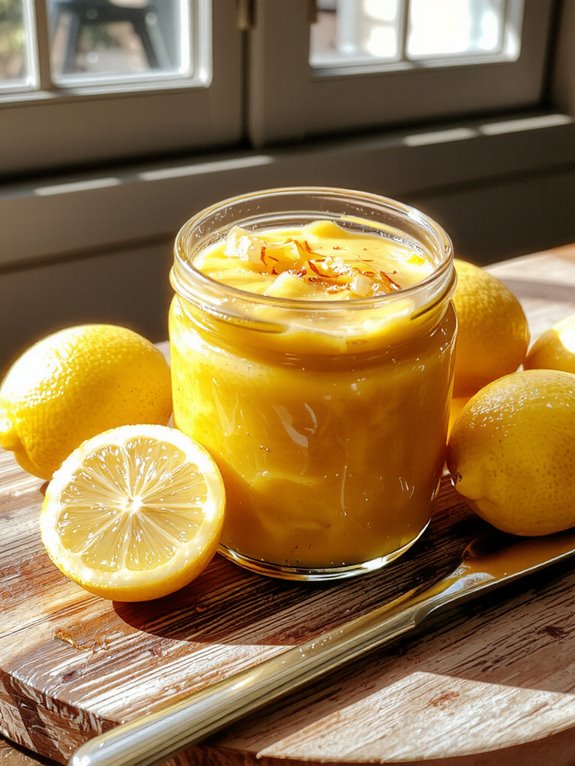
– Zest and juice the lemons: Start by zesting the lemons thoroughly, making sure you avoid the bitter white pith. Then, juice them until you have the required amount.
Freshly squeezed juice is key for vibrant flavor, and the zest adds an aromatic boost. Pro tip: Roll the lemons firmly on the counter before juicing to maximize yield.
– Whisk together eggs, sugar, and lemon zest: In a heatproof bowl, whisk the eggs and sugar until smooth and slightly pale. Add the lemon zest, which infuses the mixture with its oils.
This step guarantees the curd has a rich base and avoids clumps of sugar later.
– Combine lemon juice and butter: In a saucepan, gently heat the lemon juice and cubed butter until the butter melts.
Avoid boiling, as high heat can scramble the eggs in the next step. Warming the mixture helps the curd cook evenly.
– Temper the egg mixture: Slowly pour the warm lemon juice and butter into the egg mixture while whisking continuously. Tempering prevents the eggs from curdling and secures a silky-smooth texture.
Watch-out: Pouring too quickly can scramble the eggs!
– Cook over a double boiler: Place the bowl over a pot of simmering water (double boiler method) and cook, stirring constantly, until the curd thickens.
This gentle heat prevents overcooking and results in a velvety consistency. Visual cue: The curd is ready when it coats the back of a spoon and leaves a clean line when you run a finger through it.
– Strain and cool: Pour the curd through a fine-mesh sieve to remove any zest or small lumps, confirming a perfectly smooth result. Transfer to a clean jar or bowl and let it cool to room temperature before refrigerating.
Pro tip: Press plastic wrap directly onto the surface of the curd to prevent a skin from forming.
– Store or serve: Once cooled, the lemon curd is ready to use! It keeps well in the refrigerator for up to two weeks.
Use it as a spread, filling, or topping for desserts. Flexibility: Double the recipe for larger batches or freeze for longer storage.
Nutrition
Lemon curd is a rich and tangy spread made from fresh lemons, sugar, butter, and eggs. It’s a versatile treat, perfect for desserts or breakfast.
| Nutrition | Per Serving (1 Tbsp) |
|---|---|
| Calories | 60 |
| Total Fat | 3g |
| Saturated Fat | 2g |
| Cholesterol | 30mg |
| Sodium | 20mg |
| Total Carbohydrate | 8g |
| Sugars | 7g |
| Protein | 1g |
Chef Tips
When making lemon curd, I always recommend using fresh lemons for the brightest flavor.
Don’t skip straining—it guarantees a silky texture.
Cook over low heat to avoid scrambling the eggs.
Stir constantly with a wooden spoon for even thickening.
If it curdles, blend briefly to save it.
Store in sterilized jars and refrigerate; it’ll keep for two weeks.
Enjoy it warm or chilled!
Frequently Asked Questions
What Is Lemon Curd Used For?
I use lemon curd as a spread for toast or scones, a filling for cakes and tarts, or a topping for yogurt and pancakes. It’s also great swirled into whipped cream or served with shortbread cookies.
How Long Does Homemade Lemon Curd Last?
Homemade lemon curd lasts about 1-2 weeks in the fridge if I store it in an airtight container. I can also freeze it for up to 3 months to keep it fresh longer. Always check for spoilage before using.
Can I Freeze Lemon Curd?
Yes, I freeze lemon curd all the time. Just pour it into an airtight container, leave some space for expansion, and it’ll keep for up to a year. Thaw it overnight in the fridge before using.
Is Lemon Curd Gluten-Free?
Yes, lemon curd is usually gluten-free since it’s made with lemons, sugar, eggs, and butter. I always check my ingredients to confirm they’re gluten-free, but you should verify yours if you’re sensitive.
What’s the Difference Between Lemon Curd and Lemon Jam?
I know lemon curd’s smooth and creamy, made with eggs and butter, while lemon jam’s thicker, chunkier, and fruit-based. Curd’s more like a custard, and jam’s just cooked-down lemons with sugar—totally different textures and ingredients.