The Best Homemade Lobster Bisque Recipe

Recipe
There’s nothing quite as indulgent as a velvety, rich lobster bisque—the kind that makes you close your eyes and savor every spoonful. This recipe? It’s the real deal.
I’ve tweaked it over the years to strike the perfect balance of sweet lobster, creamy broth, and just the right hint of sherry for that irresistible depth. The secret? Using every bit of the lobster—shells and all—to build layers of flavor that store-bought versions just can’t match.
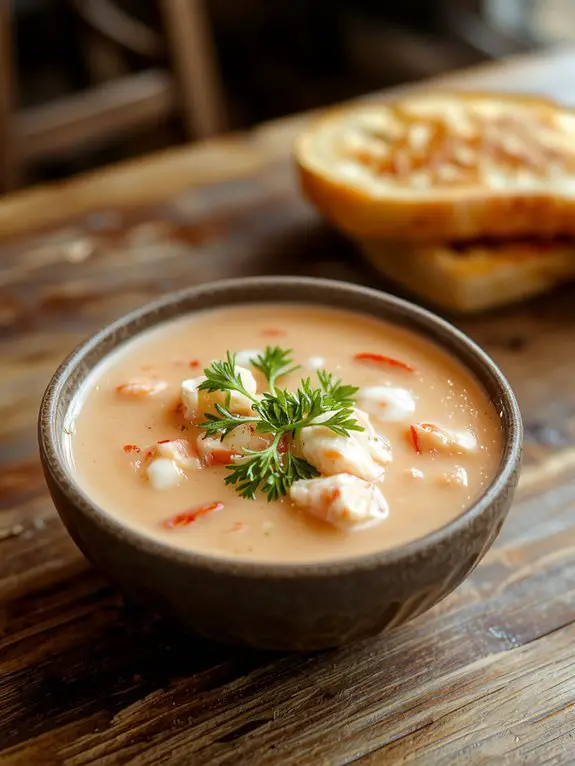
Imagine this: a silky, golden-orange bisque with a touch of warmth from paprika, a subtle kick from cayenne, and that luxurious finish that clings to your spoon. Trust me, once you try this, you’ll never go back to the canned stuff.
And don’t worry—it’s easier than you think to whip up a restaurant-worthy bowl at home. Let’s get cooking.
Ingredients
- Lobster shells & meat – The star of the show! Save shells from whole lobsters (or buy them separately) for maximum flavor. Fresh meat adds sweetness, but frozen works in a pinch.
- Butter – Unsalted is key for controlling seasoning. It adds a luxurious silkiness to the base.
- Brandy or dry sherry – Deglazing with alcohol deepens the flavor. No sherry? A splash of white wine works.
- Heavy cream – Non-negotiable for that signature creamy texture. Half-and-half will thin the bisque.
- Tomato paste – Just a tablespoon for subtle acidity and color—don’t skip it!
- Aromatics (onion, celery, garlic) – The holy trinity for building layers of flavor. Fresh is best.
- Fish or seafood stock – Homemade elevates it, but store-bought works. Avoid vegetable stock—it lacks depth.
- Cayenne & paprika – A pinch of each adds warmth without overpowering the lobster.
- Fresh thyme & bay leaf – Herbs that infuse the broth with earthy notes. Dried thyme can sub in a pinch.
Pro tip: For an extra glossy finish, blend in a touch of rice or cornstarch slurry at the end.
And always garnish with a drizzle of melted butter and fresh chives—it’s worth it!
How to Make the Best Creamy Lobster Bisque Recipe

- Sauté the aromatics: Heat butter in a large pot over medium heat. Add diced onions, celery, and carrots, cooking until softened (about 5 minutes). This builds the flavor base—don’t rush it!
- Add tomato paste and flour: Stir in tomato paste and cook for 1 minute, then sprinkle flour over the veggies. Cook for another minute to remove the raw flour taste. This thickens the bisque later.
- Deglaze with sherry (optional): Pour in sherry (or white wine) to lift any browned bits from the pot—this adds depth. Let it simmer until mostly evaporated (1-2 minutes).
- Simmer with broth and lobster shells: Add chicken or seafood broth and the reserved lobster shells. Simmer for 20-25 minutes to infuse the broth with rich lobster flavor.
Strain and discard solids—this is your bisque base.
– Blend for smoothness: Carefully puree the strained broth with an immersion blender (or in batches in a regular blender).
Pro tip: Cover the blender lid with a towel to avoid hot splatters.
– Finish with cream and lobster meat: Return the pureed soup to the pot, stir in heavy cream, and add chopped cooked lobster meat.
Heat gently (don’t boil!) to warm through. Overheating can make the lobster tough.
– Season and serve: Taste and adjust salt, pepper, or a pinch of cayenne for heat. Garnish with fresh chives or a drizzle of cream.
Serve with crusty bread—the bisque should be velvety and coat the back of a spoon.
Watch-outs:
- Don’t skip simmering the shells—it’s key for authentic flavor.
- Avoid boiling after adding cream to prevent curdling.
- For extra richness, stir in a tablespoon of cold butter at the end.
Nutrition
Lobster bisque is a rich and creamy soup made with lobster, cream, and aromatic vegetables. Here’s the nutritional breakdown per serving:
| Nutrient | Amount per Serving |
|---|---|
| Calories | 350 kcal |
| Protein | 18 g |
| Fat | 25 g |
| Carbohydrates | 12 g |
| Fiber | 1 g |
| Sugar | 3 g |
| Cholesterol | 120 mg |
| Sodium | 800 mg |
Chef Tips
While making lobster bisque can seem intimidating, I’ve found a few tricks that simplify the process.
Use lobster shells for stock—it adds depth.
Don’t rush the roux; cook it slowly for a nutty flavor.
Blend in batches to avoid spills.
Finish with a splash of brandy or sherry for richness.
Strain twice for silkiness.
These small steps make a big difference.
Frequently Asked Questions
Can I Use Frozen Lobster Instead of Fresh?
I’d say you can use frozen lobster—it’ll still taste great. Just thaw it properly first so it cooks evenly. Fresh is ideal, but frozen works in a pinch if that’s all you’ve got.
How Do I Store Leftover Lobster Bisque?
Store leftover lobster bisque in an airtight container in the fridge for up to 3 days. If I want to keep it longer, I freeze it for up to 2 months—just thaw and reheat gently before serving.
Can I Substitute Heavy Cream With a Lighter Alternative?
Yes, I can substitute heavy cream with a lighter option like half-and-half or whole milk, but the bisque won’t be as rich. I’d avoid skim milk—it’s too thin. Coconut milk’s another choice if I want dairy-free.
What Sides Pair Well With Lobster Bisque?
I’d serve lobster bisque with crusty bread or garlic toast for dipping. A light salad with citrus dressing balances the richness, and roasted asparagus adds a nice crunch. You can’t go wrong with these!
How Can I Thicken the Bisque if It’s Too Thin?
If your bisque is too thin, I’d whisk in a slurry of equal parts cornstarch and cold water, then simmer until thickened. Alternatively, blend in a bit more cooked rice or reduce it gently on the stove.


