The Best Homemade Mac and Cheese Recipe
Recipe
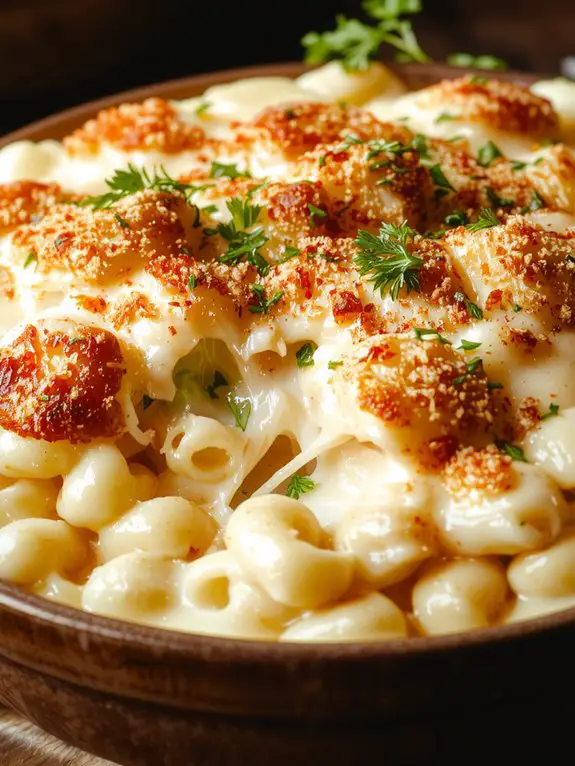
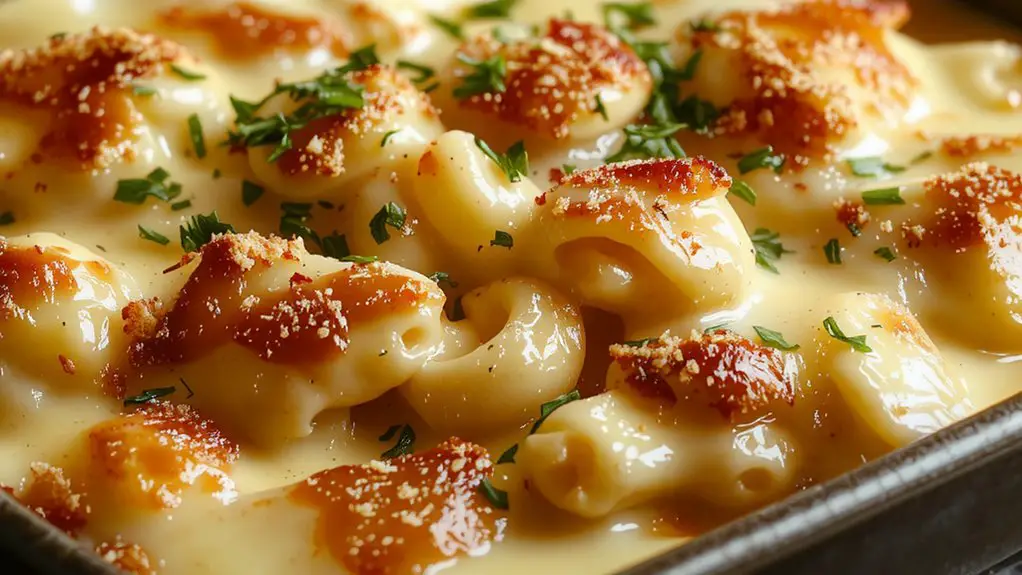
This homemade mac and cheese recipe is the ultimate comfort food hack—it’s creamy, cheesy, and so decadent, it’ll make you swear off the boxed stuff forever. The secret? A blend of sharp cheddar for tang, smooth Monterey Jack for meltability, and just a hint of nutmeg to elevate the flavors.
I’ve been making this for years, and trust me, it’s foolproof (even for beginners!) and always a crowd-pleaser. Imagine this: perfectly tender pasta coated in a velvety cheese sauce that’s rich but not heavy, with a golden, buttery breadcrumb topping that adds just the right crunch.
Whether it’s a cozy weeknight dinner or the star of your next potluck, this mac and cheese will have everyone asking for seconds. Let’s get cooking—you’ll wonder why you didn’t try this sooner!
Ingredients
Creating the perfect homemade mac and cheese starts with choosing the right ingredients. While you can tweak some components based on what’s in your pantry, certain elements are essential for that creamy, cheesy masterpiece. Let’s break it down:
Cheeses
- *Sharp cheddar* – The star of the show! Its bold flavor melts beautifully.
- *Gruyère* – Adds a nutty depth; don’t skip it for restaurant-quality richness.
- *Cream cheese* – For ultra-creamy texture (trust me, it’s a game-changer).
Pasta
– *Elbow macaroni* – The classic choice, but penne or shells work too if you’re feeling adventurous.
Sauce Base
- *Whole milk* – Higher fat = creamier sauce. Skim milk thins it out.
- *Unsalted butter* – Controls saltiness and adds richness.
- *All-purpose flour* – Creates the roux, the foundation of your sauce.
Seasonings
- *Dijon mustard* – Just a dash enhances the cheese flavor without overpowering.
- *Paprika* – Adds warmth and a hint of color.
- *Salt and pepper* – Essential for balancing flavors.
Optional Add-Ins
- *Breadcrumbs* – For a crispy topping; panko works great here.
- *Garlic powder* – Adds a subtle depth if you’re a garlic lover.
Substitutions
- No Gruyère? Swap in Gouda or Swiss.
- Out of cream cheese? Mascarpone or a dollop of sour cream can step in.
- Gluten-free flour works fine for the roux if needed.
Pro Tip: Always shred your own cheese—pre-shredded cheese contains anti-caking agents that can make your sauce grainy. Freshly grated cheese melts smoother and tastes better!
How to Make the Best Creamy Cheddar Mac and Cheese
6. Bake to perfection.
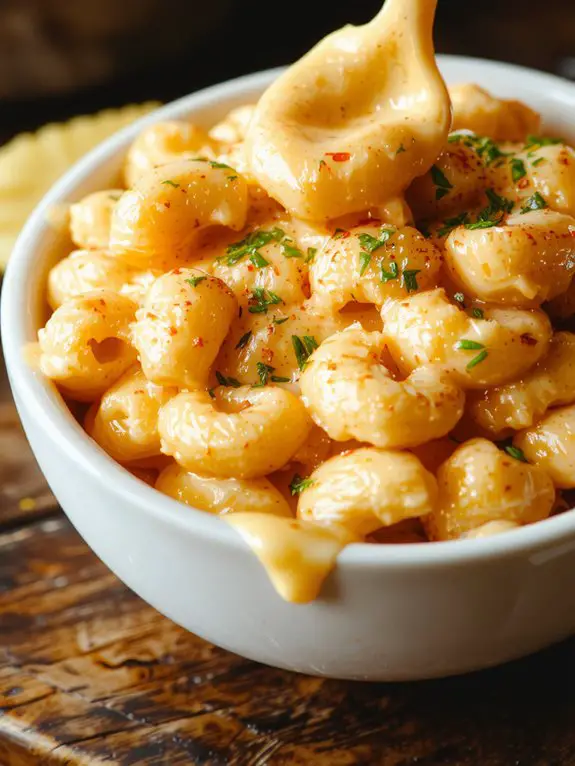
Transfer the mixture to a greased baking dish. If desired, sprinkle a layer of additional shredded cheese or a breadcrumb topping for a crispy finish.
Bake in a preheated 375°F oven for 20-25 minutes, until the top is golden and bubbly. Watch closely to avoid overbaking, which can dry out the dish.
7. Rest before serving.
Let the mac and cheese sit for 5-10 minutes after baking. This allows the sauce to set slightly, making it easier to serve.
Garnish with fresh herbs like parsley or chives for a pop of color and freshness. Enjoy!
Nutrition
This homemade mac and cheese recipe provides a rich and creamy dish packed with flavor. Below is the nutritional breakdown per serving.
| Nutrient | Amount per Serving |
|---|---|
| Calories | 450 kcal |
| Fat | 22g |
| Saturated Fat | 12g |
| Cholesterol | 60mg |
| Sodium | 650mg |
| Carbohydrates | 45g |
| Fiber | 2g |
| Sugar | 6g |
| Protein | 18g |
Chef Tips
Though mac and cheese seems simple, a few chef tips can take yours from good to unforgettable. I always consider flavor pairing—try sharp cheddar with a hint of smoked gouda for depth.
For presentation techniques, top with breadcrumbs for crunch or fresh herbs for color. Don’t overcook the pasta; it’ll keep absorbing sauce.
A splash of mustard powder brightens the cheese without overpowering it.
Frequently Asked Questions
Can I Freeze Homemade Mac and Cheese?
Yes, I can freeze homemade mac and cheese. I’d recommend using airtight containers or freezer bags for storage methods. For freezing tips, I’d say slightly undercook the pasta and add extra sauce to prevent dryness when reheating.
Is Gluten-Free Pasta Suitable for This Recipe?
I’d say gluten-free pasta works fine—just pick sturdy gluten-free brands like Barilla or Jovial to avoid mushiness. You could also try pasta alternatives like chickpea or lentil noodles if you want extra protein.
Can I Use Almond Milk Instead of Regular Milk?
I’d say yes, almond milk works if you’re avoiding dairy or have lactose intolerance. It’s one of my go-to dairy alternatives, though the sauce might be slightly thinner—just thicken it with a bit more flour or cheese.
How Long Does Leftover Mac and Cheese Last?
Leftover mac and cheese lasts 3–4 days in the fridge if stored properly. I always follow food safety rules and use airtight containers. For storage tips, I recommend labeling with the date to track freshness.
Is It Safe to Reheat Mac and Cheese in the Microwave?
I’d say it’s safe to reheat mac and cheese in the microwave if you follow microwave safety rules. Use a microwave-safe dish, stir it often, and heat in short bursts—these reheating tips help avoid uneven cooking.


