The Best Homemade Mahi Mahi Recipe
Recipe
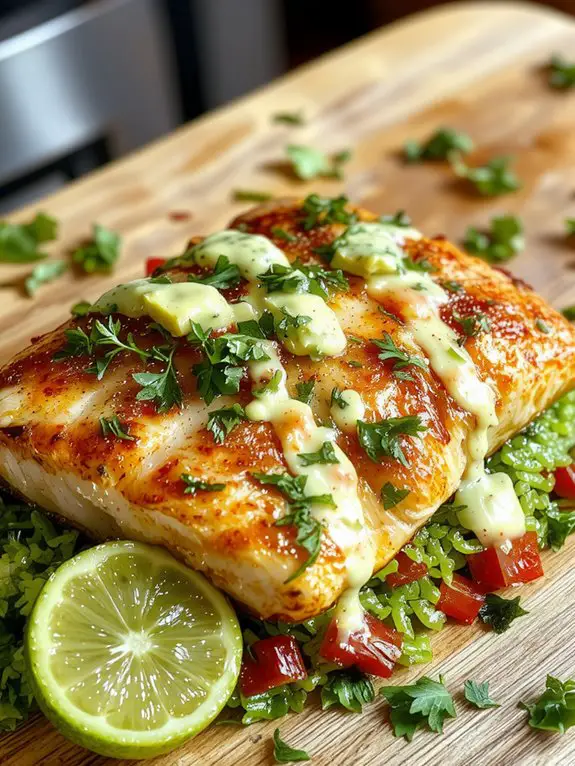
This mahi mahi recipe is hands-down one of the most flavorful, foolproof dishes you’ll ever make—trust me, it’s a game-changer. What makes it special? Fresh, flaky mahi mahi paired with a zesty marinade that’s equal parts tangy, sweet, and savory.
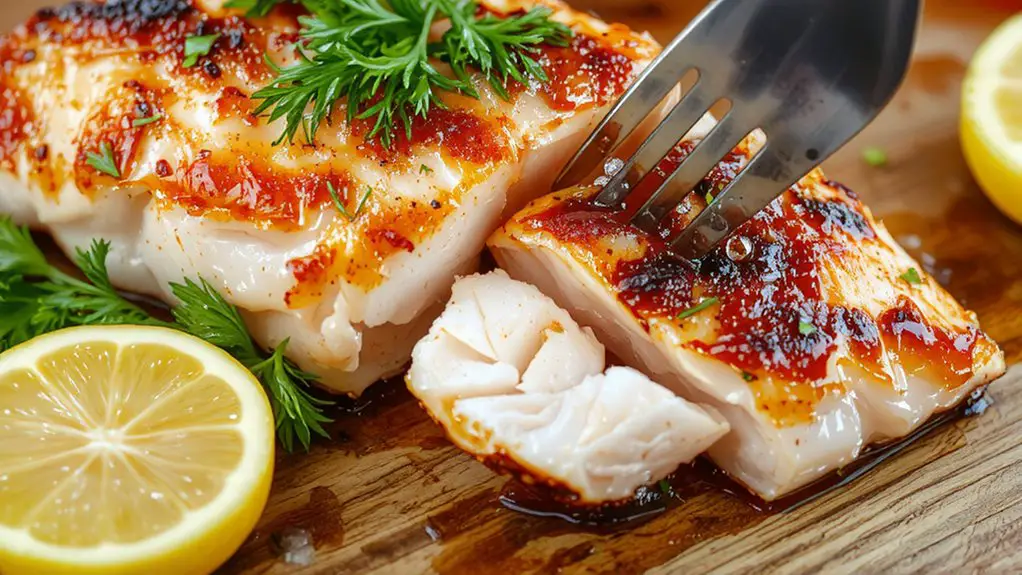
I’ve been making this for years, and it’s always a hit—whether it’s a weeknight dinner or a fancy gathering. The fish turns out perfectly tender, with a golden sear on the outside that’s packed with juicy flavor.
Plus, it’s so quick and easy, you’ll wonder why you haven’t been cooking mahi mahi like this all along. Get ready to impress yourself (and anyone lucky enough to eat with you).
Ingredients
The right ingredients are essential to bring out the bold, fresh flavors of mahi mahi. This dish shines when you use high-quality components and a few chef-approved tricks to enhance its natural taste. Here’s what you’ll need:
For the Fish:
- Mahi Mahi fillets (4, ~6 oz each): Fresh is best for that sweet, firm texture—frozen works in a pinch, but pat it dry thoroughly after thawing.
- Salt and freshly ground black pepper: These basics are non-negotiable for seasoning the fish to perfection.
- Olive oil or avocado oil (2 tbsp): A high-heat oil guarantees a beautiful sear without burning.
For the Marinade/Seasoning:
- Fresh lime juice (3 tbsp): A must for acidity and brightness—bottled just doesn’t cut it.
- Garlic (3 cloves, minced): Adds depth and aromatic flavor—press it for maximum impact.
- Smoked paprika (1 tsp): Gives a subtle smoky note that complements the fish beautifully.
- Chili powder (½ tsp): Adds a touch of heat—adjust to your preference.
- Honey or maple syrup (1 tbsp): Balances the acidity with a hint of sweetness.
Optional Garnishes:
- Fresh cilantro or parsley (chopped): Adds a pop of color and freshness.
- Lime wedges: Perfect for squeezing over the fish before serving.
- Avocado slices: Creamy avocado pairs wonderfully with the light, flaky fish.
Pro Tips:
If mahi mahi isn’t available, swap in another firm white fish like halibut or snapper.
For extra flavor, let the fish marinate for 15–30 minutes before cooking, but not too long—the lime juice can start to “cook” the fish.
A hot skillet is key to getting that golden crust—don’t flip the fish until it releases easily from the pan.
How to Make the Best Grilled Mahi Mahi Recipe
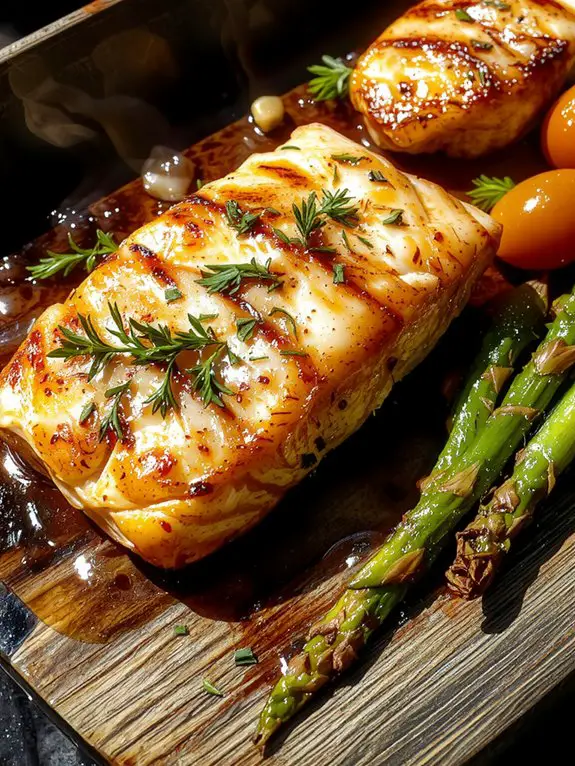
– Preheat the grill to medium-high heat (around 375°F–400°F) to guarantee it’s hot enough to sear the fish and lock in moisture. This also prevents sticking.
Pro Tip: Use a grill thermometer to check the temperature for accuracy.
– Pat the mahi mahi fillets dry with paper towels to remove excess moisture, which helps achieve a good sear and prevents steaming.
Watch-Out: Skipping this step can make the fish stick to the grill.
– Brush both sides of the fillets lightly with olive oil to enhance flavor and prevent sticking.
Pro Tip: Use a high-smoke-point oil like avocado oil if grilling at higher temperatures.
– Season the fillets generously with salt, pepper, and your choice of spices or herbs (like paprika, garlic powder, or fresh dill) to infuse flavor.
Why: Seasoning before grilling assures the flavors penetrate the fish.
– Place the fillets on the preheated grill, skin-side down (if applicable), and cook for 3–4 minutes**** without moving them to create a nice crust.
Visual Cue: The fish should release easily from the grill when ready to flip.
– Carefully flip the fillets using a spatula and cook for another 3–4 minutes, or until the internal temperature reaches 145°F.
Pro Tip: Use a meat thermometer to check for doneness—overcooking can dry out the fish.
– Remove the mahi mahi from the grill and let it rest for 2–3 minutes to allow the juices to redistribute.
Why: Resting confirms a moist and flavorful final dish.
– Serve immediately with your favorite sides, like grilled vegetables, rice, or a fresh salad.
Flexibility: Adjust cooking time slightly for thicker or thinner fillets—just verify they reach the correct internal temperature.
Nutrition
Mahi mahi is a lean fish packed with protein and essential nutrients. Here’s a breakdown of its nutritional value per 3-ounce (85g) cooked serving.
| Nutrient | Amount |
|---|---|
| Calories | 92 |
| Protein | 20g |
| Fat | 1g |
| Cholesterol | 73mg |
| Sodium | 94mg |
| Potassium | 417mg |
| Omega-3 Fatty Acids | 0.1g |
Chef Tips
When cooking mahi mahi, I always recommend keeping it simple to let its mild, sweet flavor shine. Pat the fish dry before seasoning to guarantee a good sear.
Use high heat for a crispy exterior but don’t overcook—just 3–4 minutes per side. Pair it with acidic ingredients like lemon or lime to enhance its taste.
Fresh herbs like cilantro or parsley add brightness without overpowering the dish.
Frequently Asked Questions
Can I Use Frozen Mahi Mahi for This Recipe?
Yes, I can use frozen mahi mahi for this recipe, but I’ll make sure to thaw it properly first. I’d place it in the fridge overnight or use cold water to speed up the process while keeping it fresh and flavorful.
What Sides Pair Well With Grilled Mahi Mahi?
I’d pair grilled mahi mahi with fresh sides like a citrusy avocado salad, garlic butter asparagus, or cilantro-lime rice. For something heartier, I’d go for grilled veggies or a mango salsa—they complement the fish perfectly.
Is Mahi Mahi Safe for Pregnant Women to Eat?
Yes, mahi mahi’s safe for me to eat during pregnancy if it’s fully cooked to kill any potential bacteria. I’d limit it to two to three servings a week due to moderate mercury levels. Always check with my doctor first.
How Long Does Mahi Mahi Stay Fresh in the Fridge?
I’d say mahi mahi stays fresh in the fridge for about one to two days if stored properly. I always make sure it’s wrapped tightly and kept at 40°F or colder to maintain its quality.
Can I Substitute Mahi Mahi With Another Fish?
Yes, I can substitute mahi mahi with another firm, mild-flavored fish like cod, halibut, or swordfish. I’ll just make sure the texture and cooking time are similar so the dish turns out well.


