The Best Homemade Mayonnaise Recipe
Recipe
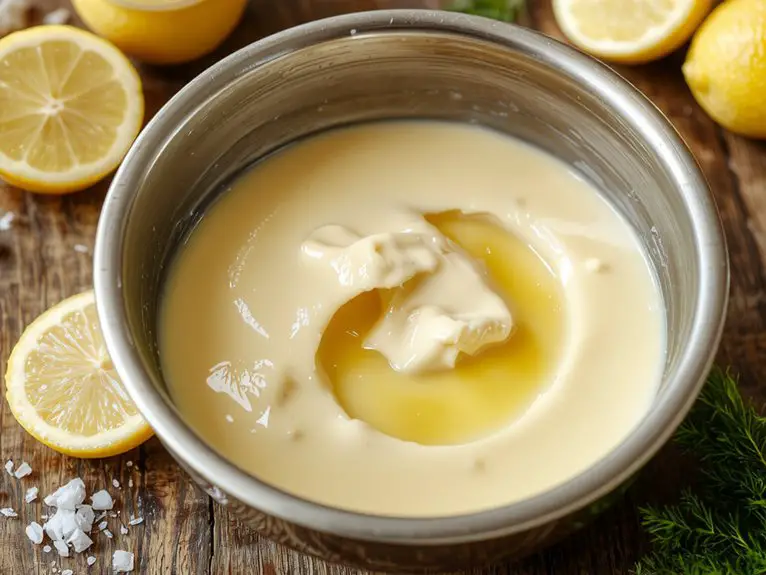
Once you try homemade mayonnaise, you’ll never go back to the jarred stuff—trust me. The creamy, rich texture and fresh, tangy flavor are so superior, it’s like comparing a sunset to a light bulb.
The secret? Quality ingredients and a simple technique that turns egg yolks, oil, and a splash of lemon juice into a velvety condiment that elevates everything it touches.
I’ve been making this for years, and it’s become a kitchen staple—so much so that my friends refuse sandwiches unless they know this mayo is involved. It’s smooth, luxurious, and just a little indulgent, with a subtle brightness from the lemon that cuts through the richness.
Plus, it’s surprisingly easy to whip up—no fancy equipment needed. Whether you’re spreading it on a BLT, dipping fries, or jazzing up a salad dressing, this homemade mayo is a game-changer.
Ready to make magic in just five minutes? Let’s go.
Ingredients
Making homemade mayonnaise is all about quality ingredients—each one plays a vital role in achieving that rich, velvety emulsion. Here’s what you’ll need, with a few chef-approved swaps to keep it foolproof:
- Egg yolk – *The backbone of your mayo.* Use fresh, room-temperature yolks for the best emulsification. Pasteurized eggs work if you’re wary of raw yolks.
- Neutral oil – *The key to smooth texture.* Avocado, grapeseed, or light olive oil (not extra virgin—too bitter) are ideal. Vegetable oil works in a pinch.
- Dijon mustard – *Adds tang and stabilizes the emulsion.* Skip yellow mustard—it’s too sweet.
- Lemon juice or vinegar – *Brightens the flavor.* Fresh lemon juice is best, but white wine vinegar works. Avoid balsamic—it’ll muddy the color.
- Salt – *Enhances everything.* Fine sea salt dissolves evenly.
- Optional upgrades – A pinch of garlic powder or a splash of hot sauce for depth.
*Pro tip:* Chill your bowl and whisk (or blender parts) for 10 minutes before starting—it helps the emulsion come together faster.
How to Make the Best Mayonnaise Preparation Steps
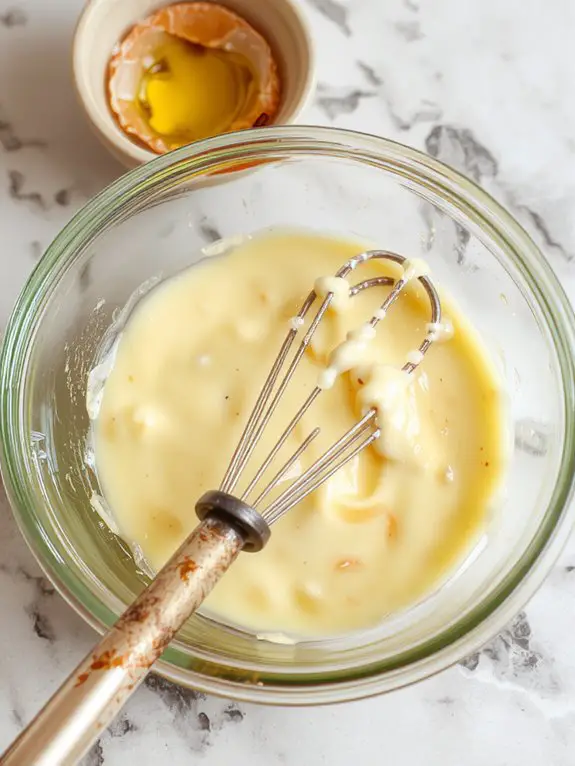
- Prepare your equipment and ingredients: Crack the eggs and separate the yolks into a clean bowl. Make sure all ingredients are at room temperature, as this helps them blend smoothly. Using fresh, high-quality eggs will yield the best results.
- Whisk the egg yolks: Start by whisking the egg yolks vigorously for about a minute until they become slightly pale and frothy. This step helps create a stable base for the emulsion, which is essential for a creamy texture.
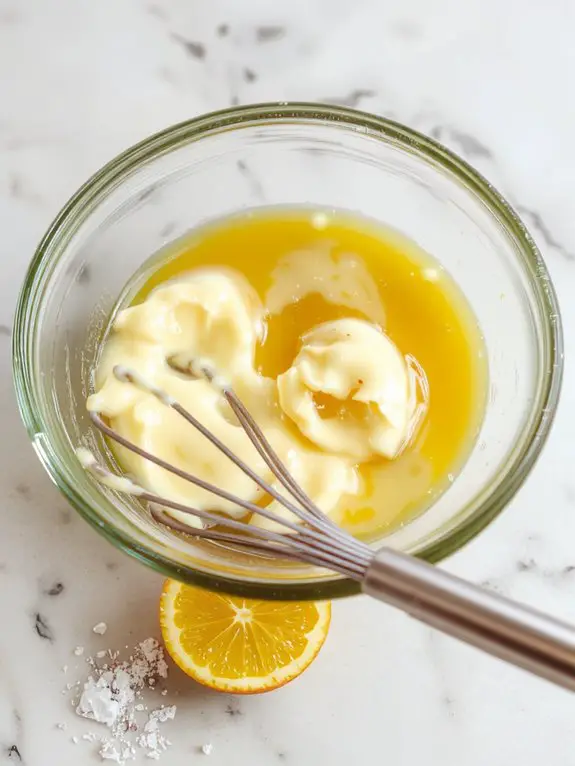
- Add mustard and lemon juice: Mix in a teaspoon of Dijon mustard and a tablespoon of fresh lemon juice. The mustard acts as an emulsifier, helping to bind the oil and egg yolks. The lemon juice adds brightness and balances the richness.
- Slowly incorporate the oil: Gradually drizzle in a neutral oil (like vegetable or grapeseed) while continuously whisking. Start with a few drops at a time to build the emulsion, then increase to a thin stream. Patience is key here—adding the oil too quickly can cause the mixture to break.
- Season with salt and adjust consistency: Once the mayonnaise has thickened, season it with a pinch of salt to taste. If the mixture is too thick, you can thin it with a splash of water or more lemon juice, whisking until smooth.
- Store and serve: Transfer the mayonnaise to a clean jar or airtight container. It will keep in the refrigerator for up to a week. Pro tip: Label the jar with the date so you can track its freshness. Use it as a spread, dip, or base for dressings and sauces.
Nutrition
This homemade mayonnaise is rich and creamy, perfect for sandwiches and dressings.
| Nutrition | Per 1 tbsp (15g) |
|---|---|
| Calories | 94 |
| Total Fat | 10g |
| Saturated Fat | 1.5g |
| Cholesterol | 6mg |
| Sodium | 80mg |
| Total Carbs | 0.1g |
| Protein | 0.1g |
Chef Tips
For a smooth and stable mayonnaise, I always recommend using room temperature eggs and oil.
I drizzle the oil slowly while whisking vigorously to guarantee proper emulsification. If the mixture breaks, I add a splash of water or lemon juice to bring it back together.
I avoid overmixing to prevent separation.
Finally, I store it in an airtight container in the fridge for up to a week.
Frequently Asked Questions
Can I Use a Different Oil for Homemade Mayonnaise?
Yes, I can use a different oil for homemade mayonnaise, but I’d choose a neutral one like avocado or light olive oil to avoid overpowering flavors. Avoid unrefined oils, as they can taste strong or bitter.
How Long Does Homemade Mayonnaise Last in the Fridge?
I keep my homemade mayonnaise in the fridge for about one to two weeks, but it’s best to use it within a week for maximum freshness. I always check for off smells or changes in texture before using it.
Why Did My Mayonnaise Not Emulsify Properly?
Your mayonnaise didn’t emulsify because you might’ve added oil too quickly, used cold ingredients, or didn’t whisk enough. I’d suggest starting with room-temperature eggs, a steady drip of oil, and constant whisking to fix it.
Can I Make Mayonnaise Without Eggs?
Yes, I can make mayonnaise without eggs using alternatives like aquafaba, avocado, or silken tofu. I blend my choice with oil, vinegar, and seasonings until creamy. It’s a simple swap for egg-free, homemade mayo.
Is Homemade Mayonnaise Healthier Than Store-Bought?
I find homemade mayo healthier ’cause I control the ingredients—no preservatives or additives. I use fresh eggs, quality oil, and can adjust flavors to my taste. Plus, I avoid unnecessary sugars often found in store-bought versions.


