The Best Homemade Miso Soup Recipe
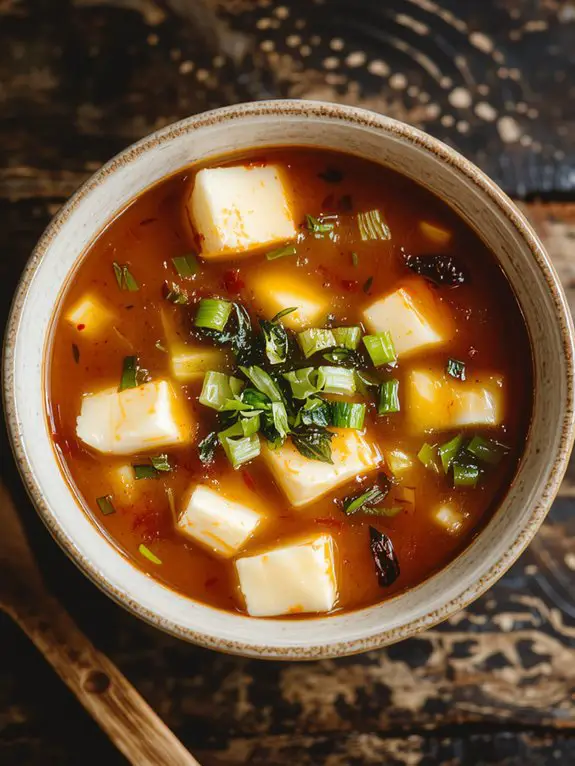

Recipe
There’s something magical about a bowl of homemade miso soup—it’s the kind of comfort that warms you from the inside out, and once you try this version, you’ll never go back to the instant stuff. The secret? A rich, umami-packed dashi broth made from scratch, combined with silky tofu, tender wakame, and just the right amount of miso paste for that deep, savory flavor.
I’ve tweaked this recipe over countless cozy nights, and trust me, the balance of salty-sweet with a hint of earthiness is *chef’s kiss*. Plus, it’s ready in under 20 minutes—because great food shouldn’t be complicated.
Get ready to slurp up the most soul-soothing, flavor-packed miso soup of your life.
Ingredients
The secret to an unforgettable miso soup lies in the quality of your ingredients—especially the miso paste. Fresh, umami-rich elements transform this humble dish into something extraordinary. Here’s what you’ll need, with insider tricks to make it shine:
- Miso paste (white or red): The soul of the soup. *White miso* is milder and slightly sweet, while *red miso* packs a deeper, fermented punch. Pro tip: Avoid boiling miso—it kills its delicate flavor. Stir it in at the end.
- Dashi stock: The base. Use *homemade dashi* (kombu + bonito flakes) for maximum depth, or instant dashi granules in a pinch.
No dashi? Substitute with vegetable or chicken stock, but add a splash of soy sauce for extra umami.
- Tofu (silken or firm): Silken melts luxuriously into the broth; firm holds its shape. *Non-negotiable*—skip the tofu, and you lose the heart of the dish.
- Wakame seaweed: Rehydrates in seconds and adds oceanic savoriness.
No wakame? Thinly sliced nori works, but add it just before serving to avoid sogginess.
- Green onions: For freshness. Slice them diagonally—*chef’s touch* for elegance.
- Optional extras: *Little wins* like enoki mushrooms, a dash of mirin, or a sprinkle of sesame seeds take it to restaurant level.
*Flexible but firm*: You can swap veggies (try spinach or daikon), but never compromise on the miso or dashi—they’re the backbone.
How to Make the Best Authentic Miso Soup Method
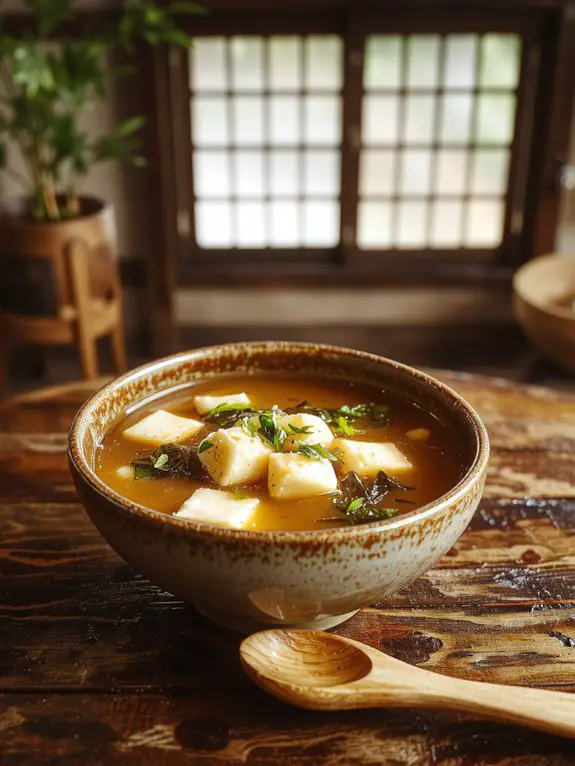
– Finishing touches. Thinly slice the green onions and sprinkle them on top just before serving.
They add a fresh, crisp contrast to the rich, umami-filled soup.
– Serve immediately. Miso soup is best enjoyed fresh and hot. Ladle it into bowls and savor the comforting warmth.
If you’re making a larger batch, store leftovers in the fridge and reheat gently—never boil, as it can ruin the miso’s flavor.
Pro Tip: For a deeper flavor, add a small piece of kombu seaweed while heating the dashi, then remove it before adding the miso paste.
Watch-Out Warning: Never boil miso paste directly—it can lose its beneficial probiotics and develop a bitter taste. Always dissolve it in warm, not boiling, broth.
Nutrition
Miso soup is a nutritious dish, rich in essential vitamins and minerals. Below is the nutritional information for a standard serving.
| Nutrient | Amount per Serving |
|---|---|
| Calories | 84 kcal |
| Protein | 6.2 g |
| Carbohydrates | 10.5 g |
| Fat | 2.1 g |
| Sodium | 850 mg |
| Fiber | 1.5 g |
| Sugar | 2.8 g |
Chef Tips
When making miso soup, I always recommend using high-quality miso paste—it really makes a difference in flavor. Avoid boiling the miso; add it at the end to preserve its probiotics and delicate taste.
Use dashi as your base for authenticity. Taste as you go, adjusting with more miso or dashi if needed.
Garnish with fresh green onions and tofu for a balanced, flavorful finish.
Frequently Asked Questions
Can I Freeze Miso Soup?
I can freeze miso soup, but the texture and flavor might change slightly. I’d skip adding tofu or delicate veggies before freezing. When I thaw it, I’ll heat it gently and add fresh ingredients for the best taste.
What’s the Shelf Life of Miso Paste?
I’ve found miso paste lasts up to a year in the fridge if unopened, but once opened, it’s best within 6 months. I always check for mold or off smells before using mine.
Can I Use Miso Paste After Expiration?
I’d say you can still use miso paste after expiration if it smells and looks fine—it’s fermented, so it lasts ages. Just check for mold or off odors, but it’s usually safe.
Is Miso Soup Gluten-Free?
Miso soup can be gluten-free, but it depends on the miso paste you use. I always check the label because some miso contains barley. If I want it gluten-free, I choose miso made from rice or soybeans.
Can I Make Miso Soup Without Dashi?
Yes, I can make miso soup without dashi by using vegetable or chicken broth as a base. I’ll skip the dashi and add miso paste directly, along with tofu, seaweed, and green onions for flavor.


