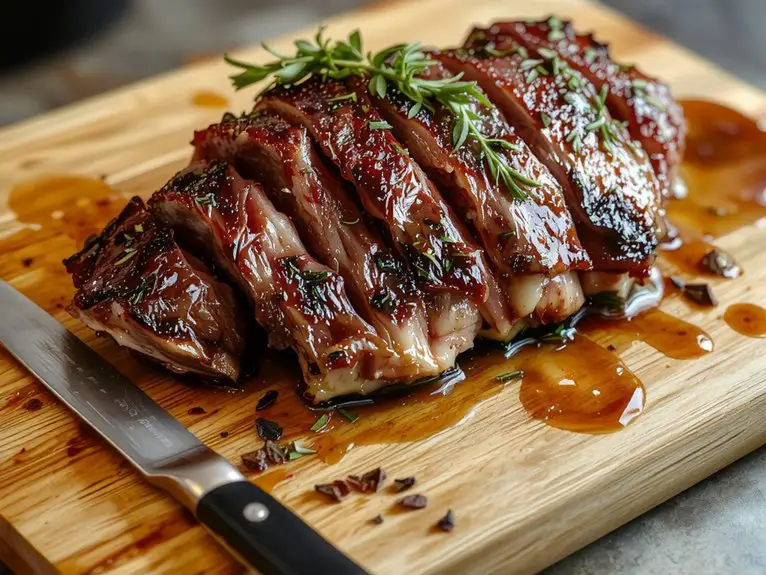
The Best Homemade Mongolian Beef Recipe
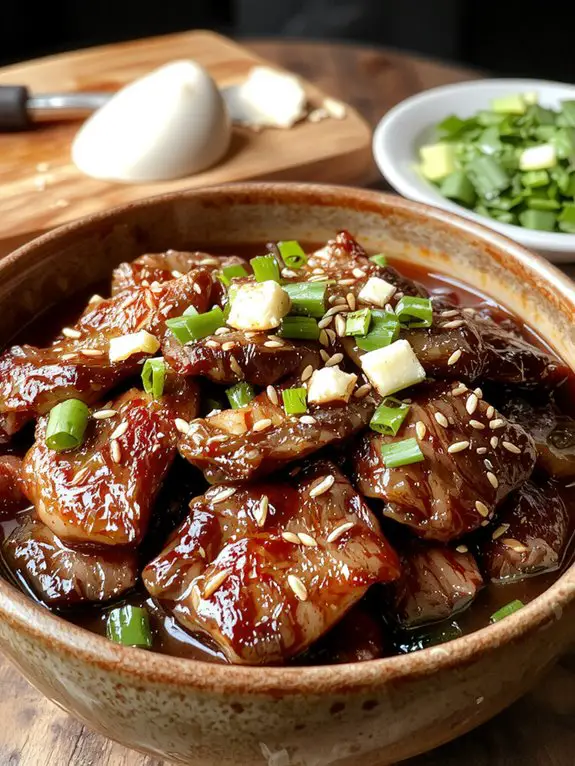
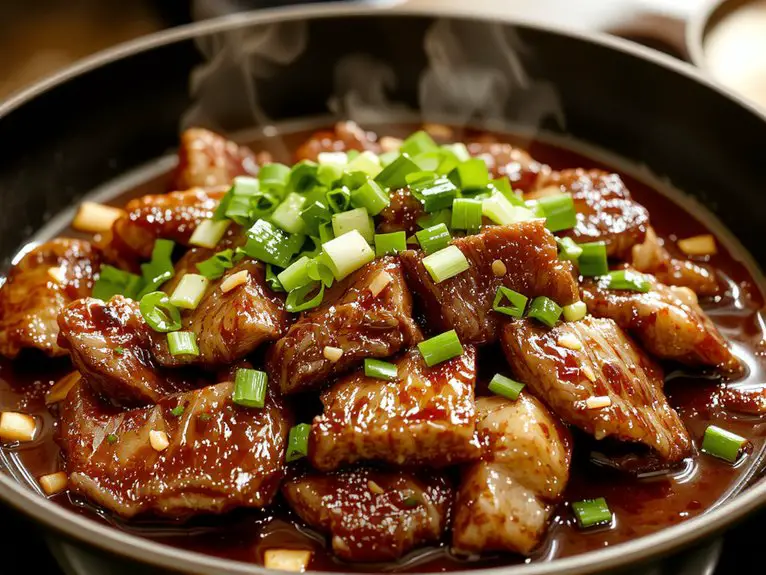
Recipe
This Mongolian Beef will make you forget every takeout version you’ve ever had—guaranteed. It’s my go-to recipe when I’m craving something savory, slightly sweet, and utterly irresistible.
The secret? A quick marinade that infuses the beef with flavor and a glossy sauce that clings perfectly to every tender bite. Plus, using fresh garlic and ginger gives it that authentic, aromatic punch that sauce packets just can’t replicate.
Imagine this: thinly sliced beef seared until crispy on the edges, drenched in a rich, sticky sauce, and tossed with crisp green onions for a pop of freshness.
It’s restaurant-quality but so easy, you’ll wonder why you ever ordered in. Trust me, once you try this, it’ll earn a permanent spot in your weeknight rotation.
Let’s get cooking—you’ve got this!
Ingredients
To create a truly authentic Mongolian Beef, the right ingredients are key. While the dish is simple, each component plays a vital role in achieving that signature sweet, savory, and slightly sticky glaze. Don’t skimp on the essentials, but feel free to make smart swaps where needed—your kitchen, your rules.
Protein
– Flank steak (1 lb): Thinly sliced against the grain for maximum tenderness. (Substitute: Sirloin or skirt steak works too, but flank is the MVP.)
Sauce Base
- Soy sauce (1/4 cup): The backbone of the sauce—use low-sodium for better control over saltiness.
- Brown sugar (1/3 cup): Adds that irresistible sweetness. Light or dark works, but dark gives a richer flavor.
- Hoisin sauce (1 tbsp): For depth and a touch of umami. (Substitute: Oyster sauce in a pinch.)
- Garlic (4 cloves, minced): Non-negotiable for that aromatic punch.
- Ginger (1 tsp, freshly grated): Fresh is best—it brightens the dish.
- Cornstarch (1 tbsp): Thickens the sauce to that perfect glossy consistency.
Cooking Essentials
- Vegetable oil (2 tbsp): For frying the beef. A high smoke point is key—avocado oil works too.
- Sesame oil (1 tsp): A finishing touch for nutty aroma—don’t skip this!
Extras
- Green onions (4, sliced): For a fresh, sharp contrast. Use both the white and green parts.
- Sesame seeds (1 tsp, optional): Sprinkle on top for a restaurant-worthy finish.
Pro Tip: Double the sauce if you love extra glaze to coat your rice or noodles.
The cornstarch guarantees it stays thick and clingy, so don’t cut corners there. And remember, fresh garlic and ginger are irreplaceable—they’re the soul of this dish.
How to Make the Best Mongolian Beef Secrets Revealed
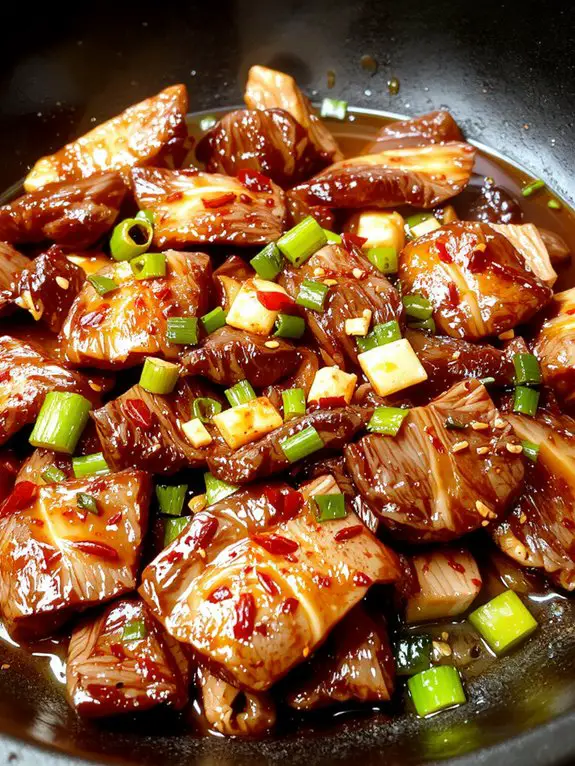
Sauté garlic and ginger in the same pan. This builds layers of flavor.
Cook until fragrant, about 30 seconds, to avoid burning.
Pour the sauce into the pan and let it simmer. The sauce will thicken slightly as it cooks, coating the beef evenly.
Return the beef to the pan and toss to coat.
Cook for an additional 1-2 minutes to let the flavors meld and the beef heat through.
Garnish with sliced green onions for freshness. This adds a pop of color and a mild oniony crunch to the dish.
Serve immediately over steamed rice. Mongolian beef is best enjoyed fresh and hot for the best texture and flavor.
Nutrition
This Mongolian Beef recipe is packed with flavor and essential nutrients. Here’s the nutritional breakdown per serving:
| Nutrient | Amount |
|---|---|
| Calories | 430 kcal |
| Protein | 30 g |
| Carbohydrates | 25 g |
| Fat | 22 g |
| Fiber | 2 g |
| Sugar | 15 g |
| Sodium | 890 mg |
Chef Tips
I always recommend slicing the beef against the grain for a tender bite—it makes a huge difference. Don’t overcrowd the pan when searing; cook in batches if needed.
Use high heat to get a good sear without overcooking. Let the sauce thicken slightly before adding the beef back in.
Finish with a sprinkle of sesame seeds and green onions for freshness. These small touches elevate the dish.
Frequently Asked Questions
Can I Freeze Mongolian Beef?
I can freeze Mongolian beef, but I’ll make sure it’s cooled completely first. I’ll store it in an airtight container or freezer bag to avoid freezer burn. When reheating, I’ll thaw it overnight and warm it gently.
What’s the Best Rice to Serve With Mongolian Beef?
I’d serve jasmine rice with Mongolian beef—it’s fragrant, slightly sticky, and soaks up the sauce perfectly. If I want something nuttier, I’d go for brown rice, but jasmine’s my top pick for flavor and texture.
How Do I Store Leftover Mongolian Beef?
I store leftover Mongolian beef in an airtight container in the fridge for up to 3 days. If I want to keep it longer, I freeze it for up to 2 months and reheat it when I’m ready.
Can I Use Tofu Instead of Beef?
Yes, I can use tofu instead of beef, just press and drain it well to remove excess moisture. I’d coat it in cornstarch and fry it until crisp before adding it to the sauce. It’ll still be flavorful!
Is Mongolian Beef Spicy?
Mongolian beef isn’t typically spicy by default. It’s savory and slightly sweet with soy sauce, brown sugar, and garlic. If I want heat, I’d add chili flakes, sriracha, or a spicy pepper to kick it up.