The Best Homemade Mussels Recipe
Recipe
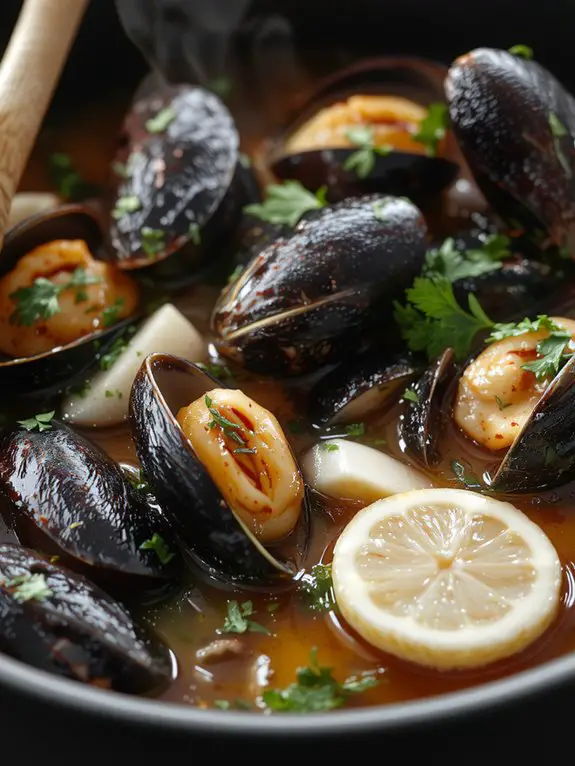
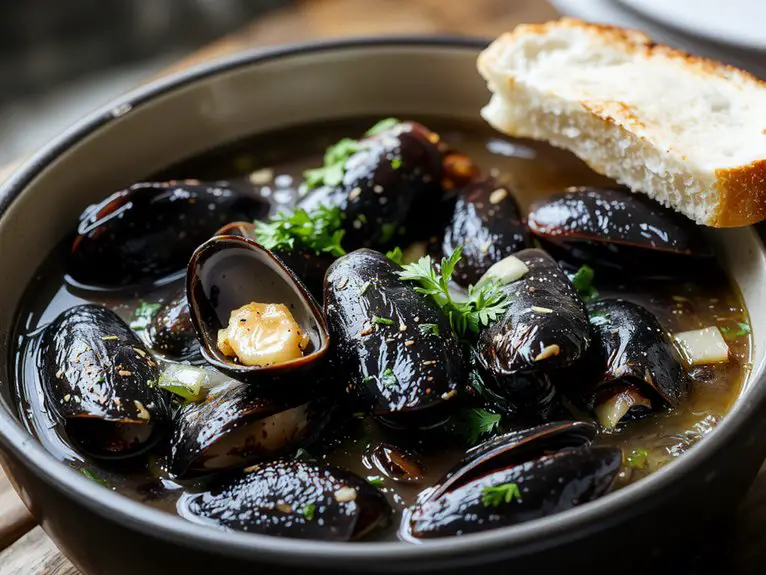
If you’ve never made mussels at home before, let me tell you—this recipe is about to change your seafood game forever. Seriously, it’s so good, you’ll swear you’re dining at a seaside bistro in France.
The secret? A rich, aromatic broth made with garlic, white wine, and a splash of cream that clings to every plump, tender mussel. Add a hint of fresh herbs like thyme or parsley, and you’ve got a dish that’s bursting with flavor in every bite.
This recipe is as simple as it’s impressive—perfect for a date night or a cozy dinner with friends. Trust me, once you try these mussels, you’ll wonder why you ever paid restaurant prices for them.
Let’s get cooking!
Ingredients
For a standout dish that brings a taste of the sea to your table, the right ingredients make all the difference. Fresh mussels are the star here, but the supporting cast—like aromatic herbs and a splash of wine—elevates this recipe to restaurant-quality. Here’s what you’ll need, plus some insider tips to guarantee success:
- Fresh mussels (about 2 pounds) – Look for ones that are tightly closed or close when tapped. Avoid any with cracked shells or a strong fishy odor.
- Dry white wine (like Sauvignon Blanc or Pinot Grigio) – This adds depth and acidity. No wine? Swap with chicken or vegetable broth.
- Shallots (finely chopped) – Their mild sweetness balances the dish. Substitute with a small onion if needed.
- Garlic (3 cloves, minced) – A non-negotiable for its aromatic punch. Fresh is best—skip the pre-minced jars.
- Butter (unsalted, 2 tablespoons) – Adds richness to the broth. For a dairy-free option, use olive oil.
- Extra virgin olive oil (1 tablespoon) – Combines with butter to create a savory base.
- Fresh parsley (chopped) – Adds a bright, fresh finish. Italian parsley can be swapped for curly parsley in a pinch.
- Crushed red pepper flakes (optional, ¼ teaspoon) – A pinch adds a subtle warmth. Adjust to taste or omit if you prefer mild flavors.
- Salt and freshly ground black pepper – Essential for seasoning. Taste as you go!
- Crusty bread – A must-have for soaking up every last drop of the flavorful broth. A baguette or sourdough works perfectly.
Pro tip: If you’re feeling fancy, add a splash of cream or a squeeze of lemon juice at the end for an extra layer of flavor.
Little touches like this make all the difference!
How to Make the Best Classic White Wine Mussels
1. Clean the mussels thoroughly – Scrub each mussel under cold running water to remove any dirt or debris. Pull off the beards (the stringy bits) and discard any mussels that are cracked or won’t close when tapped.
*Why?* Fresh mussels should be alive before cooking—discarding open ones guarantees safety.
2. Sauté aromatics – Heat olive oil in a large pot over medium heat. Add minced garlic and shallots, cooking until fragrant (about 1-2 minutes). Avoid browning the garlic to prevent bitterness.
*Pro tip:* Use a wide pot for even heat distribution and better mussel submersion.
3. Deglaze with wine – Pour in dry white wine (like Sauvignon Blanc) and let it simmer for 2 minutes to cook off the alcohol.
*Watch out:* Don’t skip this step—raw wine taste can overpower the dish.
4. Add mussels and steam – Toss in the cleaned mussels, cover the pot, and steam for 5-7 minutes until shells open wide. Shake the pot halfway to redistribute.
*Visual cue:* Done when 95% of shells have opened—discard any unopened ones.
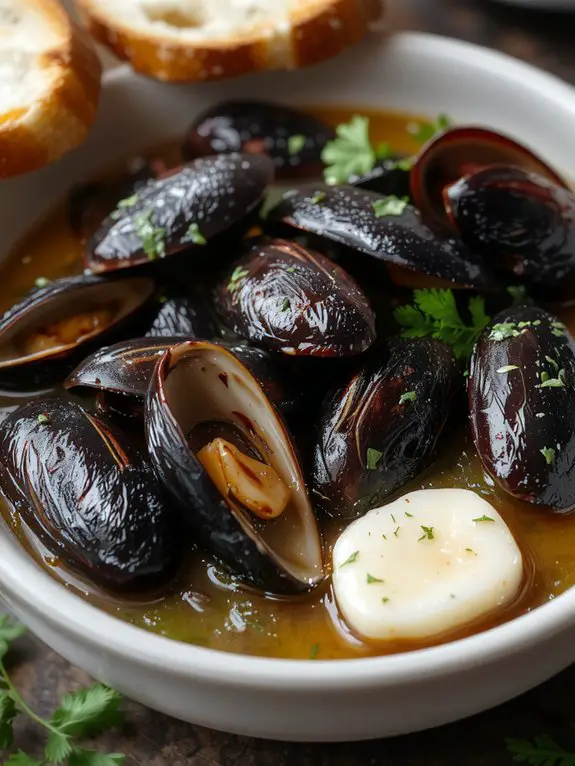
5. Finish with butter and herbs – Stir in cold butter for richness, then sprinkle with fresh parsley. Serve immediately with crusty bread.
*Flexibility:* Swap parsley for tarragon or chives for a different flavor twist.
6. Adjust seasoning – Taste the broth and add a pinch of salt or lemon juice if needed.
*Pro tip:* Reserve extra broth for dipping—it’s the best part!
Nutrition
Mussels are packed with essential nutrients and are a great source of protein, vitamins, and minerals.
| Nutrient | Amount per 100g |
|---|---|
| Calories | 172 kcal |
| Protein | 23.8 g |
| Fat | 4.48 g |
| Carbohydrates | 7.39 g |
| Calcium | 88 mg |
| Iron | 6.72 mg |
| Vitamin C | 22 mg |
Chef Tips
While cooking mussels might seem intimidating, it’s actually quite straightforward if you keep a few key tips in mind. Always scrub and debeard them thoroughly before cooking.
Discard any open mussels that don’t close when tapped. Steam them in a flavorful broth or white wine until they open—never overcook.
Finish with fresh herbs and a splash of lemon for brightness. Trust me, it’s foolproof!
Frequently Asked Questions
Can I Use Frozen Mussels for This Recipe?
Yes, you can use frozen mussels, but I’d thaw them first for even cooking. Fresh ones taste better, though. If you’re in a pinch, frozen will work—just check they’re fully cooked before serving.
Are Mussels Safe to Eat During Pregnancy?
Mussels can be safe during pregnancy if they’re fresh, properly cooked, and sourced from clean waters. I’d avoid raw or undercooked ones due to potential bacteria. Always check with my doctor for personal dietary advice.
How Do I Store Leftover Cooked Mussels?
I store leftover cooked mussels in an airtight container and refrigerate them within two hours. I make sure they’re fully cooled first, and I eat them within 24 hours—I never keep them at room temperature.
Can I Substitute White Wine With Another Ingredient?
Sure, I can substitute white wine with chicken or vegetable broth, cider vinegar, or even lemon juice. Each adds a unique flavor, but I’ll adjust seasoning since they don’t replicate wine’s exact taste.
What’s the Best Way to Clean Mussels Before Cooking?
I scrub each mussel under cold water to remove dirt, then pull off the beard by tugging toward the hinge. If they’re open and won’t close when tapped, I toss them—they’re not safe to eat.


