The Best Homemade Oatmeal Cookie Recipe
Recipe
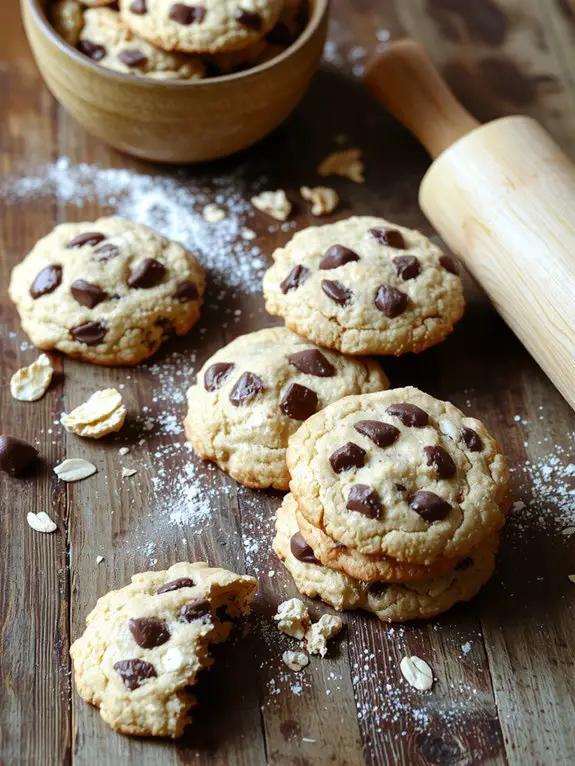
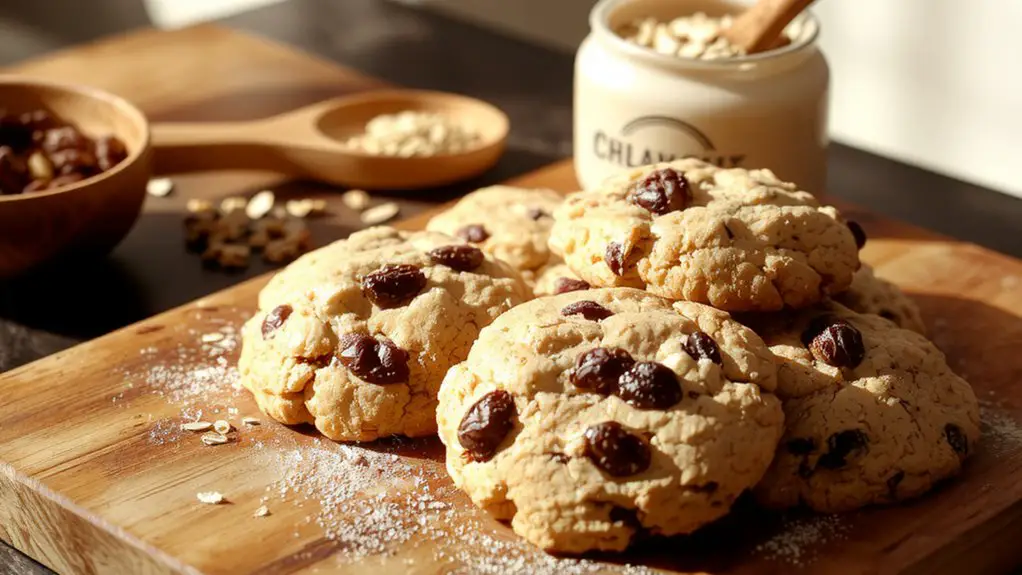
Let me tell you, this oatmeal cookie recipe is the ultimate go-to—soft, chewy, and packed with just the right amount of sweetness. What makes it exceptional? A perfect blend of old-fashioned oats and a hint of cinnamon that transforms each bite into pure comfort.
I’ve been making these for years, and they’re always the first to disappear at family gatherings. Imagine biting into a cookie that’s crisp around the edges yet irresistibly tender in the center, with bursts of flavor from plump raisins or rich chocolate chips (your choice!).
Whether you’re a seasoned baker or just starting out, this recipe is foolproof and guaranteed to impress. Trust me, once you bake these, your kitchen will smell like heaven, and everyone will be asking for the recipe. Let’s get baking!
Ingredients
Great oatmeal cookies start with the right ingredients—each one plays a pivotal role in achieving that perfect balance of chewy, crispy, and flavorful. Here’s what you’ll need to create cookies that’ll have everyone asking for the recipe:
- Old-fashioned rolled oats: The backbone of the cookie. Use these for the best texture—steer clear of quick oats, which can make the cookies too dense.
- Unsalted butter (softened): Adds richness and helps create that crave-worthy chewiness. If you only have salted butter, just reduce the added salt in the recipe.
- Brown sugar: Elevates the flavor with its molasses undertones and keeps the cookies moist. Dark brown sugar works too for a deeper caramel note.
- Granulated sugar: Balances the moisture from the brown sugar for the ideal crisp edge.
- Eggs: Acts as the binder. Use room-temperature eggs for even mixing.
- Vanilla extract: A must for that warm, aromatic depth. Pure vanilla is worth the splurge here.
- All-purpose flour: Provides structure without making the cookies too heavy.
- Baking soda: The leavening agent that gives the cookies just the right amount of lift.
- Salt: Enhances all the flavors. Don’t skip it!
- Cinnamon (optional): Adds a cozy spice note, but you can leave it out if you prefer.
- Raisins or chocolate chips (optional): Customize with your favorite mix-ins—dried cranberries, nuts, or even white chocolate chunks work beautifully.
Pro tip: Toast the oats lightly before using them for an extra nutty flavor. And if you’re out of vanilla extract, almond extract or maple syrup can step in for a unique twist.
How to Make the Best Classic Oatmeal Cookie Recipe
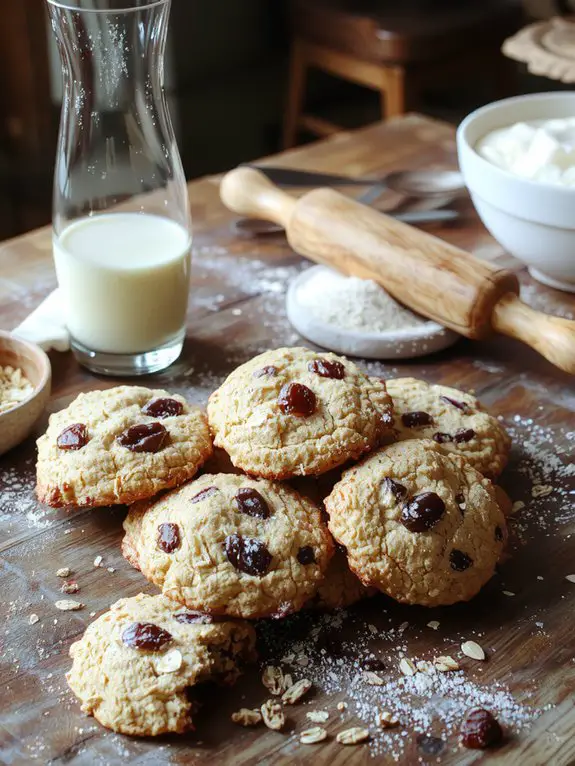
Chill the dough—Cover the dough and refrigerate for at least 30 minutes. Chilling prevents the cookies from spreading too much during baking.
*Pro Tip:* For firmer dough, chill up to an hour for easier scooping.
Preheat the oven and prepare baking sheets**—While the dough chills, preheat the oven** to 350°F (175°C) and line baking sheets with parchment paper or silicone mats.
*Pro Tip:* Avoid greasing the sheets; parchment paper prevents sticking without altering texture.
Scoop and shape the dough—Use a cookie scoop or tablespoon to portion the dough into balls, placing them 2 inches apart on the prepared sheets.
*Pro Tip:* For uniform cookies, weigh each dough ball—about 1.5 ounces is ideal.
Bake and cool—Bake for 10-12 minutes, or until the edges are golden but the centers are still soft. The cookies will firm up as they cool.
*Pro Tip:* Rotate the baking sheet halfway through for even browning. Watch out for overbaking, which dries out the cookies.
Cool completely—Let the cookies cool on the baking sheet for 5 minutes before transferring to a wire rack. This helps them set without falling apart.
*Pro Tip:* Store cooled cookies in an airtight container to keep them fresh for days.
Nutrition
This oatmeal cookie recipe provides a balanced mix of nutrients. Here’s the nutritional breakdown per serving:
| Nutrition | Per Serving |
|---|---|
| Calories | 150 kcal |
| Total Fat | 7 g |
| Saturated Fat | 3 g |
| Cholesterol | 15 mg |
| Sodium | 120 mg |
| Total Carbohydrates | 20 g |
| Dietary Fiber | 2 g |
| Sugars | 10 g |
| Protein | 2 g |
Chef Tips
Ever wondered how to make your oatmeal cookies perfectly chewy or crispy? I’ve found that chilling the dough guarantees a chewy center, while spreading it thinner creates crispiness.
Use sharp knife skills to evenly chop add-ins like nuts or dried fruit. For flavor pairing, I love mixing cinnamon with raisins or pairing dark chocolate with sea salt.
Experiment, and you’ll find your ideal balance!
Frequently Asked Questions
Can I Use Quick Oats Instead of Rolled Oats?
Yes, you can use quick oats instead of rolled oats, but they’re finer, so your cookies might be denser. I’d suggest reducing the liquid slightly or adding extra oats to balance the oatmeal alternatives and baking adjustments.
How Do I Store Leftover Oatmeal Cookies?
I store my leftover oatmeal cookies in airtight cookie containers to keep them fresh. For longer storage, I use freezer-safe bags and freeze them. Proper storage methods guarantee they stay chewy and delicious for days.
Can I Freeze the Cookie Dough for Later?
Yes, I freeze my cookie dough all the time! For dough preservation, I scoop it into balls first. My freezing tip? Wrap them tight in plastic or use airtight containers—they’ll last months and bake up fresh later.
Why Are My Cookies Spreading Too Much?
Your cookies spread too much because I’ve used too soft butter, low-protein flour type, or incorrect oven temperature. I’ll check my dough consistency, switch to all-purpose flour, and bake at a hotter temperature next time.
Can I Substitute Butter With Oil?
Yes, I can substitute butter with oil, but I’d choose butter alternatives carefully. Oil benefits include moisture and a soft texture, though it won’t give the same richness or spread. I’d use a neutral oil like canola.