The Best Homemade Paella Recipe

Recipe
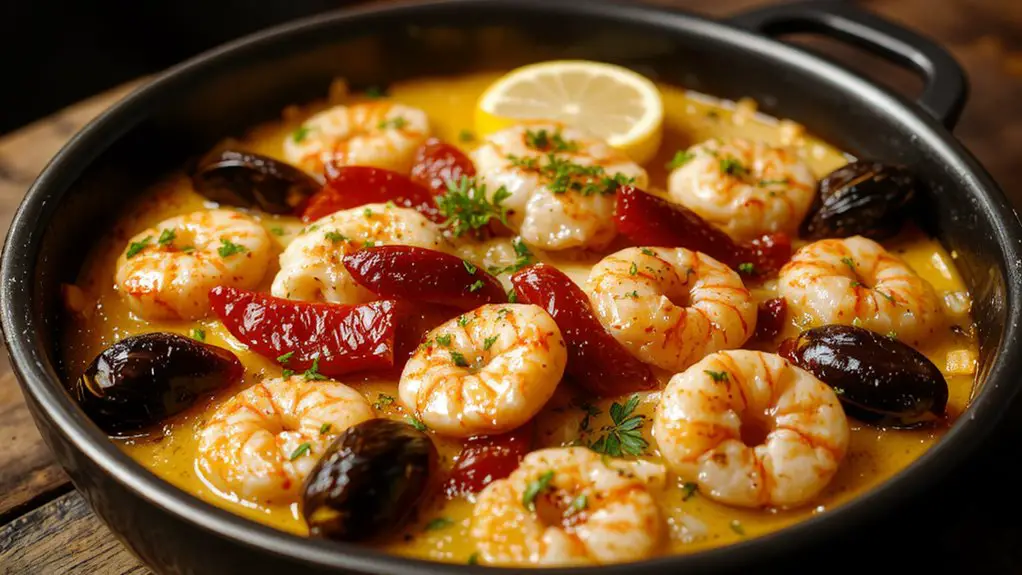
This homemade paella is the dish that will completely change how you think about weeknight dinners—it’s vibrant, hearty, and packed with layers of flavor that will transport you straight to the Spanish coast. Made with smoky saffron, juicy shrimp, tender chicken, and a medley of bell peppers, every bite is a celebration of textures and tastes.
The secret? Toasting the rice before simmering it in a rich broth infused with garlic, paprika, and a splash of white wine—it’s a game-changer that creates that signature golden crust.
This recipe is a staple in my kitchen because it’s surprisingly easy, endlessly adaptable, and always impresses. Whether you’re cooking for a crowd or just treating yourself, this paella is a guaranteed win.
Ready to jump in? Let’s get cooking!
Ingredients
Paella is all about simplicity and letting bold flavors shine, so the right ingredients are key. While there’s room for flexibility, a few essentials make this dish unforgettable. Here’s everything you’ll need:
For the Base:
- Short-grain rice (like Bomba or Calasparra): This absorbs liquid beautifully and holds its texture—don’t swap for long-grain varieties.
- Chicken stock or seafood broth: Homemade is ideal, but a high-quality store-bought option works too. Just avoid low-sodium versions—you want that flavor boost.
- Saffron: Non-negotiable! It’s what gives paella its golden hue and distinct aroma. If you don’t have it, turmeric can mimic the color but not the flavor.
- Olive oil: Use a good extra-virgin olive oil for richness and depth.
Proteins (Choose Your Favorites):
- Chicken thighs: Juicier and more flavorful than breasts—leave the skin on for extra crispiness.
- Chorizo: Spanish chorizo adds smokiness and spice. If you can’t find it, smoked paprika-infused sausage is a decent substitute.
- Shrimp: Use large, peeled, and deveined shrimp for ease. Fresh is best, but frozen works in a pinch.
- Mussels or clams: Fresh shellfish elevates the dish. Soak them in cold water to purge sand.
Vegetables & Aromatics:
- Onion and garlic: The foundation of flavor—chop finely for even distribution.
- Tomatoes: Fresh, grated tomatoes (skin removed) are traditional, but canned crushed tomatoes work too.
- Bell peppers: Red or green adds sweetness and color.
- Frozen peas: Toss them in at the end for a pop of freshness.
Extras for Flair:
- Lemon wedges: Serve on the side for a bright, zesty finish.
- Parsley: Freshly chopped for garnish adds a herbaceous note.
- Smoked paprika: Adds depth if your chorizo isn’t packing enough punch.
Little Wins: Toasting the rice in olive oil before adding broth creates a nutty flavor base.
Use a wide, shallow pan (a paella pan is ideal, but a skillet works) for the perfect socarrat—the crispy crust at the bottom that’s a paella hallmark.
How to Make the Best Authentic Spanish Paella Preparation
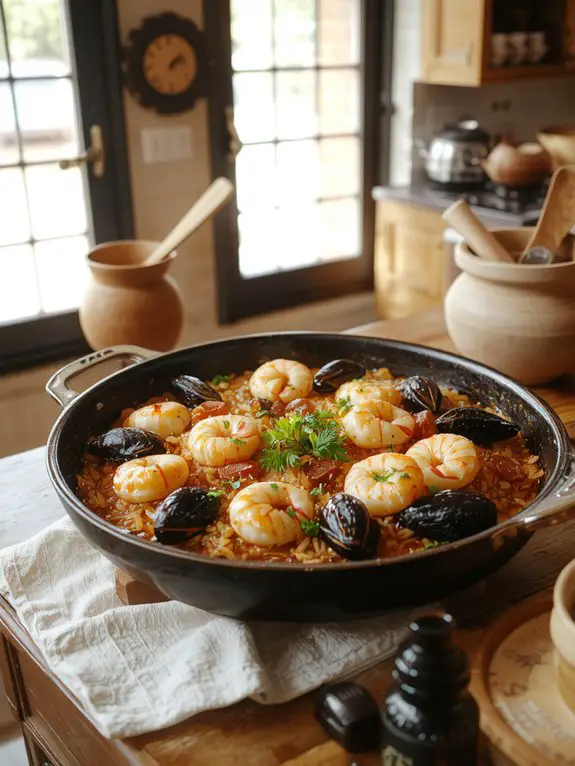
- Prepare your ingredients: Dice the chicken, slice the chorizo, devein and clean the shrimp, and chop the vegetables (onion, garlic, bell pepper, and tomato). Having everything ready before you start cooking guarantees a smooth process and prevents burning.
- Heat the pan: Use a wide, shallow paella pan or a large skillet over medium heat. Add olive oil, then sauté the chicken and chorizo until lightly browned. This builds the base flavor of your paella.
- Cook the vegetables: Add the onion, garlic, bell pepper, and tomato to the pan. Sauté until softened, about 5 minutes. This creates a flavorful sofrito, the foundation of the dish.
- Toast the rice: Stir in the short-grain rice (like Bomba or Arborio) and coat it well with the oil and vegetables. Toasting the rice helps it absorb the broth evenly and enhances its nutty flavor.
- Add the spices and broth: Sprinkle in smoked paprika and saffron, then pour in the chicken or seafood broth. Stir once to distribute the ingredients, but avoid over-stirring—paella is meant to be left alone to develop that coveted socarrat (crispy bottom layer).
- Arrange the seafood: Nestle the shrimp and any additional seafood (like mussels or clams) into the rice. Let the paella simmer gently, uncovered, for about 15–20 minutes. The liquid should reduce, and the rice should be tender but slightly al dente.
- Check for socarrat: Listen for a crackling sound and check the bottom of the pan for a golden crust. If it’s not forming, increase the heat slightly for the last 2–3 minutes.
- Rest and garnish: Remove the pan from the heat and let it rest for 5 minutes. This allows the flavors to meld. Sprinkle with chopped parsley and serve with lemon wedges for a fresh, zesty finish.
Pro Tip: Use room-temperature broth to maintain even cooking.
Watch-Out Warning: Avoid stirring the rice after adding the broth to prevent a mushy texture.
Flexibility: If you don’t have a paella pan, a large skillet or Dutch oven works too—just make sure it’s wide enough for even cooking.
Nutrition
Paella is a flavorful Spanish dish that combines rice, seafood, and vegetables. It is rich in nutrients and provides a balanced meal.
| Nutrient | Amount per Serving |
|---|---|
| Calories | 450 kcal |
| Protein | 25 g |
| Carbohydrates | 50 g |
| Fat | 15 g |
| Fiber | 3 g |
| Sodium | 800 mg |
Chef Tips
How can you guarantee your paella turns out perfectly every time? First, use a wide, shallow pan for even cooking. Don’t overcrowd it—let the rice absorb the broth fully.
Stir only at the beginning, then let it cook undisturbed to form the coveted socarrat. Toast the saffron lightly before adding it to release its flavor.
Finally, taste your broth—it’s the backbone of the dish.
Frequently Asked Questions
Can I Use a Regular Pan Instead of a Paella Pan?
Yes, I can use a regular pan instead of a paella pan, but it’s not ideal since a paella pan spreads heat evenly. I’ll use a wide, shallow skillet to mimic its effect and stir less for that crispy bottom.
How Do I Store Leftover Paella?
I store leftover paella in an airtight container and refrigerate it for up to 3 days. If I want to keep it longer, I freeze it—just make sure it cools completely first to avoid spoilage.
Can I Make Paella Vegetarian?
Absolutely, I can make paella vegetarian—just skip meat and seafood. I use veggies like bell peppers, artichokes, and peas, plus veggie broth. Saffron and smoked paprika still give it that authentic flavor. It’s just as delicious.
What Wine Pairs Best With Paella?
I’d pair paella with a dry Spanish white wine like Albariño or Verdejo—they’re light, crisp, and complement the dish’s flavors. Alternatively, a dry rosé or light red like Tempranillo works if you prefer bolder options.
How Do I Fix Soggy Paella Rice?
I’ll fix soggy paella rice by spreading it thinly in the pan, cranking up the heat, and letting it cook uncovered for a few minutes. I’ll stir gently to dry it out without overmixing.


