The Best Homemade Pancake Batter Recipe
Recipe
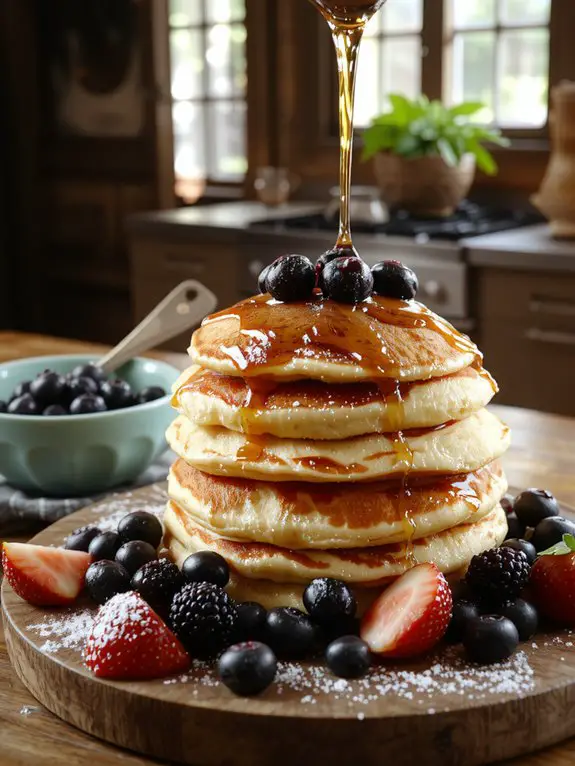
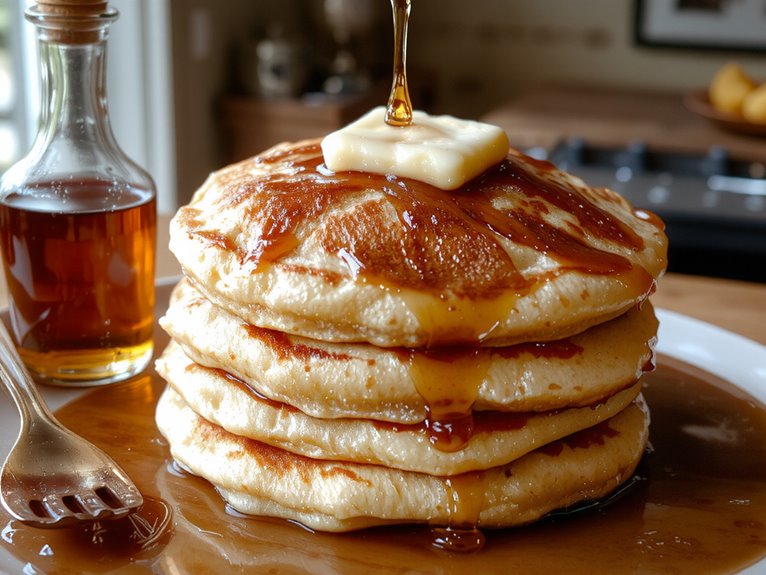
There’s something magical about a stack of homemade pancakes—fluffy, golden, and just begging to be drenched in syrup.
This batter recipe? It’s the real deal. No fancy ingredients, no complicated steps, just pure, melt-in-your-mouth goodness every single time.
The secret? A perfect balance of buttermilk for tang and a touch of vanilla for warmth, creating pancakes so light they practically float off the plate.
Whether it’s a lazy Sunday morning or a surprise breakfast-for-dinner night, this recipe never fails to impress.
Trust me, once you taste these, the boxed mix will be a thing of the past. Let’s get flipping!
Ingredients
Creating the perfect pancake batter starts with the right ingredients. Each component plays a vital role in achieving that fluffy, golden texture we all crave. Here’s what you’ll need and why it matters:
- All-purpose flour: The foundation of your batter. It gives structure and lightness. For a healthier twist, substitute with whole wheat flour (though expect a denser texture).
- Baking powder: Non-negotiable for that airy rise. Fresh baking powder is key—test it beforehand if it’s been sitting in your pantry.
- Granulated sugar: Just a touch to balance flavors. Skip it if you prefer savory pancakes, or swap with honey or maple syrup for a natural sweetness.
- Salt: Enhances all the flavors. Don’t overlook it—even a pinch makes a difference.
- Eggs: Adds richness and helps bind the batter. Room temperature eggs blend better for a smoother consistency.
- Milk: Whole milk creates the creamiest batter, but any milk works. For extra richness, try buttermilk or a mix of milk and yogurt.
- Unsalted butter (melted): Adds moisture and a hint of richness. Oil can be a substitute, but butter gives that classic flavor.
- Vanilla extract (optional): Elevates the flavor profile. Almond extract is a fun alternative.
- Fresh blueberries or chocolate chips (optional): Fold them in for a decadent twist.
Pro tip: Sift your dry ingredients to avoid lumps and guarantee an even, smooth batter. Fresh, high-quality ingredients make all the difference—skip the shortcuts for bakery-level results.
How to Make the Best Mastering Pancake Batter Basics
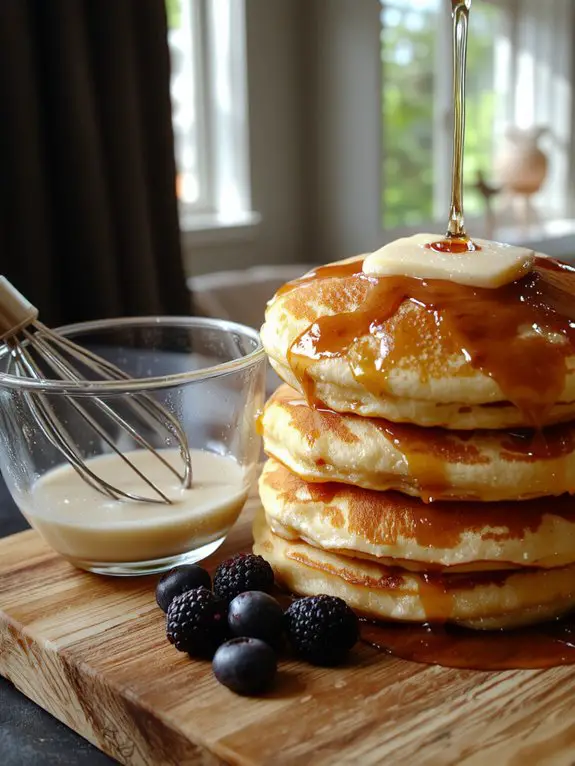
- Gather and Prep Ingredients: Measure out all ingredients beforehand—flour, sugar, baking powder, salt, milk, eggs, and melted butter. This guarantees a smoother process and prevents mid-recipe scrambling.
- Mix Dry Ingredients: In a large bowl, whisk together the flour, sugar, baking powder, and salt. Combining these evenly guarantees a consistent texture in every bite.
- Combine Wet Ingredients: In a separate bowl, whisk together the milk, eggs, and melted butter. Whisking the wet ingredients separately helps create a smooth base for the batter.
- Combine Wet and Dry: Pour the wet mixture into the dry ingredients. Use a spatula to gently fold them together until just combined. Overmixing can lead to dense pancakes—stop when there are no visible streaks of flour.
- Rest the Batter: Let the batter sit for 5–10 minutes. This allows the flour to hydrate and the baking powder to activate, resulting in fluffier pancakes.
- Preheat the Pan: Heat a non-stick skillet or griddle over medium heat. A properly preheated pan guarantees even cooking and golden-brown edges.
- Test the Heat: Drop a small dot of batter onto the pan. If it sizzles lightly and cooks evenly, the pan is ready. If it burns or doesn’t bubble, adjust the heat.
- Cook the Pancakes: Pour ¼ cup portions of batter onto the pan. Cook until bubbles form on the surface and the edges look set, then flip gently. Cook for another 1–2 minutes until golden brown.
- Adjust as Needed: If pancakes are browning too quickly, reduce the heat slightly.
For thicker pancakes, use more batter; for thinner ones, spread it slightly with the back of a spoon.
– Serve Immediately: Pancakes are best enjoyed fresh off the griddle. Keep them warm in a low oven (200°F) if needed, but avoid stacking them to prevent sogginess.
Nutrition
Homemade pancake batter is a delicious and versatile breakfast option. Knowing its nutritional content can help you make informed dietary choices.
| Nutrient | Amount per Serving |
|---|---|
| Calories | 227 |
| Total Fat | 9.6g |
| Saturated Fat | 1.6g |
| Cholesterol | 47mg |
| Sodium | 433mg |
| Total Carbs | 28.6g |
| Dietary Fiber | 0.7g |
| Sugars | 6.2g |
| Protein | 6.3g |
Chef Tips
To achieve the perfect pancake, I always make sure the batter isn’t overmixed—it should be slightly lumpy to keep them light and fluffy.
Letting the batter rest for 5–10 minutes helps the ingredients hydrate and improves texture.
I also preheat the pan on medium heat to guarantee even cooking.
Avoid pressing the pancakes; let them rise naturally for that perfect, airy finish every time.
Frequently Asked Questions
Can I Freeze Leftover Pancake Batter?
Yes, I can freeze leftover pancake batter. I pour it into a freezer-safe container or bag, leaving some space for expansion. When I’m ready to use it, I thaw it overnight in the fridge and stir well.
What’s the Best Way to Reheat Pancakes?
I’d pop pancakes in a toaster or warm them in a skillet over low heat—just a minute or two per side. If I’m in a hurry, I’ll microwave them for 20 seconds, but they might get a little soft.
Can I Use Pancake Batter for Waffles?
I can use pancake batter for waffles, but it won’t be perfect. Pancake batter’s thinner, so my waffles might turn out less crispy. I’d tweak it by adding more fat or sugar for better texture.
How Long Does Pancake Batter Last in the Fridge?
I keep pancake batter in the fridge for up to two days, but I make sure it’s in an airtight container. Fresh batter works best, so I try to use it within 24 hours for fluffy pancakes.
Can I Make Pancake Batter Without Eggs?
Yes, I can make pancake batter without eggs. I’ll just swap in mashed banana, applesauce, or yogurt to bind the ingredients. It’s easy, and I won’t even miss the eggs in the final fluffy texture.