The Best Homemade Panna Cotta Recipe
Recipe
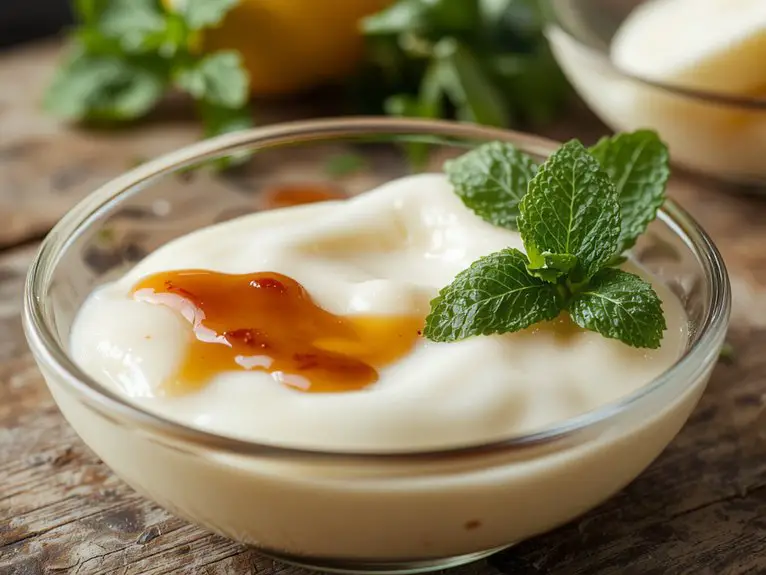
This panna cotta is the smoothest, creamiest dessert you’ll ever make—and I swear, it’s easier than it looks. Made with just a handful of ingredients, it’s all about letting the vanilla and cream shine, creating a silky, melt-in-your-mouth experience that feels downright luxurious.
What I love most is how adaptable it is: drizzle it with fresh berry sauce, a touch of caramel, or even a sprinkle of espresso powder for a grown-up twist. Trust me, once you nail this recipe, it’ll become your go-to dessert for everything from dinner parties to quiet nights in. You’ve got this!
Ingredients
For a silky-smooth panna cotta, the right ingredients are key. Using high-quality dairy guarantees a rich, creamy texture, while gelatin provides the perfect firmness without being rubbery. Vanilla adds depth, but feel free to experiment with other flavors to make it your own. Don’t skimp on the sugar—it balances the creaminess perfectly.
Here’s what you’ll need:
- Heavy cream: The star of the show. Opt for full-fat for the creamiest results.
- Whole milk: Lightens the texture slightly while maintaining richness.
- Sugar: Fine granulated sugar dissolves easily and sweetens just enough.
- Gelatin: Powdered gelatin works best for a smooth set. Bloom it properly for flawless results.
- Vanilla extract: Pure vanilla adds warmth and complexity. Substitute with vanilla bean for an elevated touch.
- Salt: A pinch enhances all the flavors subtly.
Pro Tip: Chill your serving bowls or ramekins beforehand for a faster set and cleaner presentation.
For a twist, swap vanilla with citrus zest, coffee, or a splash of liqueur. Fresh berries or a drizzle of caramel make for a stunning finish!
How to Make the Best Creamy Vanilla Panna Cotta
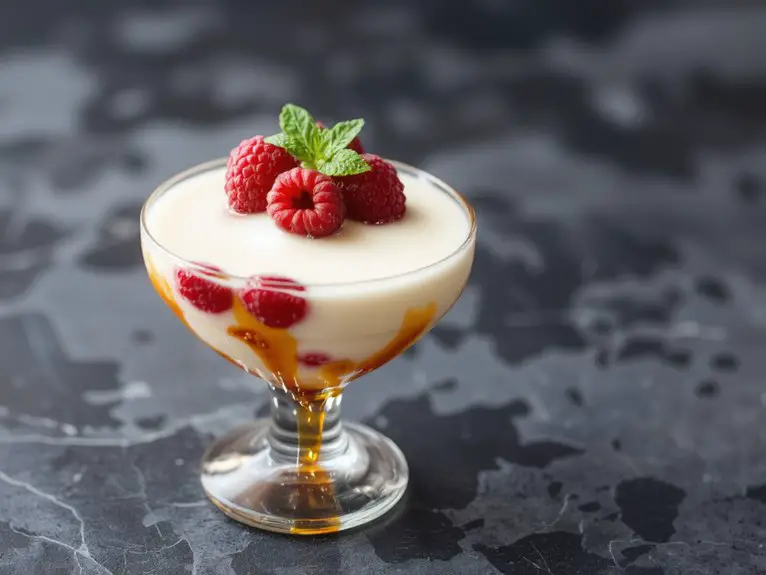
– Prepare the cream mixture: In a saucepan, combine heavy cream, milk, and sugar. Heat over medium heat, stirring occasionally, until the sugar dissolves and the mixture is warm but not boiling.
Doing this gently guarantees the cream doesn’t curdle and the sugar fully incorporates.
– Bloom the gelatin: Sprinkle gelatin over cold water in a small bowl and let it sit for 5 minutes until it becomes spongy.
This step activates the gelatin, which is essential for setting the panna cotta to the right consistency.
– Combine gelatin and cream: Remove the cream mixture from heat and whisk in the bloomed gelatin until it completely dissolves.
Avoid overheating the gelatin, as this can reduce its setting power.
– Add vanilla: Stir in vanilla extract for flavor.
If using a vanilla bean pod, scrape the seeds into the cream mixture for a richer taste.
– Strain the mixture: Pour the mixture through a fine-mesh sieve into a large measuring cup or pitcher.
This removes any lumps or undissolved gelatin, securing a silky-smooth texture.
– Portion into ramekins: Divide the mixture evenly among ramekins or serving glasses.
Work slowly to avoid creating air bubbles, which can affect the final appearance.
– Chill thoroughly: Refrigerate the panna cotta for at least 4 hours or overnight until firmly set.
Keep them level in the fridge to confirm an even surface.
– Serve: To unmold, briefly dip the ramekins in warm water and run a knife around the edges.
Invert onto a plate and garnish with fresh berries or a drizzle of caramel sauce.
Pro Tip: For a quicker set, place the ramekins in the freezer for 30 minutes before transferring to the fridge.
Watch Out: Avoid over-chilling, as this can make the panna cotta too firm. It should wobble gently when shaken.
Nutrition
Panna cotta is a creamy dessert with a delicate balance of richness and lightness. Here’s the nutritional breakdown for a standard serving.
| Nutrient | Amount per Serving |
|---|---|
| Calories | 320 kcal |
| Fat | 22g |
| Carbohydrates | 25g |
| Protein | 4g |
| Sugar | 20g |
| Cholesterol | 80mg |
| Sodium | 40mg |
Chef Tips
I’ve found that chilling your mixing bowls and molds before starting helps the panna cotta set more evenly and quickly. Use full-fat dairy for the creamiest texture—skim milk won’t cut it.
Bloom gelatin properly to avoid lumps. Don’t overheat the mixture; gentle warmth is key.
For clean unmolding, dip molds briefly in hot water. Experiment with vanilla bean or citrus zest for depth.
Serve chilled, never rushed.
Frequently Asked Questions
Can I Use Almond Milk Instead of Dairy?
I’ve tried using almond milk, but it doesn’t set like dairy does. I’d recommend adding gelatin or agar to help it firm up, though the texture’s a bit different. It’s not as rich or creamy either.
How Long Does Panna Cotta Last in the Fridge?
If I store panna cotta properly, it lasts 3-5 days in the fridge. I make sure it’s covered tightly with plastic wrap or in an airtight container to keep it fresh and avoid absorbing odors.
Can I Freeze Panna Cotta for Later?
I wouldn’t recommend freezing panna cotta because it can mess up the texture, making it grainy or separated when thawed. It’s best enjoyed fresh or stored in the fridge for a few days.
Why Did My Panna Cotta Not Set Properly?
I think your panna cotta didn’t set because I might’ve used too little gelatin or didn’t chill it long enough, or I heated the cream too much, breaking down the gelatin’s setting ability.
Is Panna Cotta Gluten-Free?
Yes, panna cotta is usually gluten-free since it’s made with cream, sugar, and gelatin—no flour or gluten-containing ingredients. Just double-check your gelatin brand and any flavorings you add to be safe. I always confirm labels.