The Best Homemade Pastina Recipe
Recipe
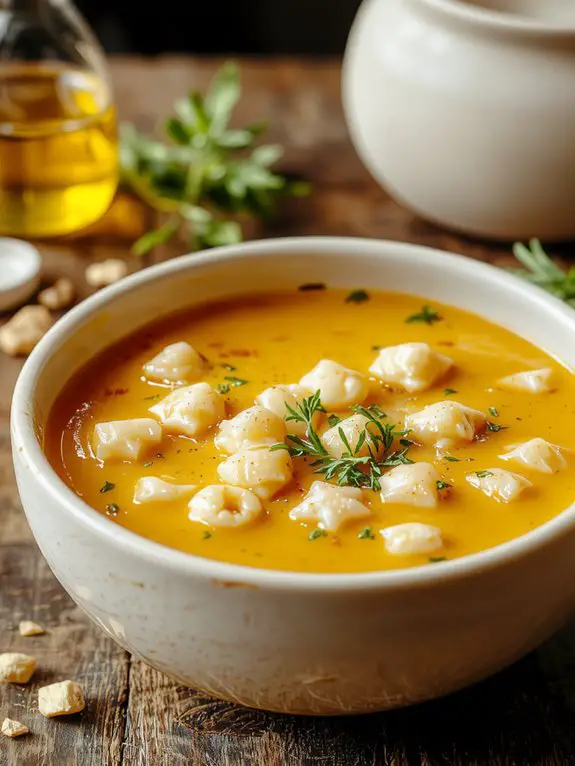
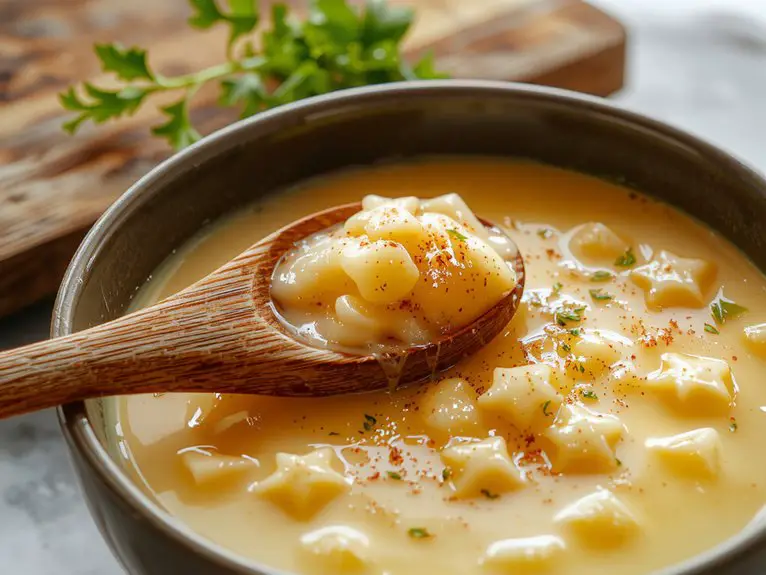
There’s something magical about a bowl of pastina—it’s the ultimate comfort food, and this recipe? It’s the best you’ll ever make.
I’ve tweaked this classic a hundred times to get it just right, and now it’s the one dish my family begs for on repeat.
The secret? A rich, buttery broth infused with garlic and Parmesan, clinging to tiny star-shaped pasta that melts in your mouth.
It’s simple, yes, but the kind of simple that feels like a warm hug—silky, savory, and just a little indulgent.
Whether you’re craving nostalgia or need a quick, soul-soothing meal, this pastina delivers every time.
Trust me, once you try it, you’ll never go back to the boxed stuff.
Ingredients
Every great dish starts with the right ingredients, and pastina is no exception. This recipe relies on simple, pantry-friendly staples, but a few key choices can elevate it from basic to unforgettable. Here’s what you’ll need:
- Pastina – The star of the dish! Opt for traditional small star-shaped pasta or any tiny pasta variety. Fresh is best, but dried works perfectly too.
- Chicken Broth – Use homemade for the deepest flavor, or high-quality store-bought as a time-saver. Vegetable broth works for a vegetarian twist.
- Butter – Unsalted butter allows you to control the saltiness. Don’t skimp—it’s what gives pastina its rich, velvety texture.
- Egg – Beaten and stirred in at the end, this adds creaminess and protein. For a vegan option, use a plant-based egg substitute or skip it.
- Parmesan Cheese – Freshly grated Parmesan melts seamlessly and adds a savory depth. Pecorino Romano is a great alternative for a sharper flavor.
- Salt & Pepper – Essential for seasoning. Freshly cracked pepper adds a nice bite.
- Optional Add-Ins – Elevate your pastina with extras like a splash of cream, chopped parsley, or a drizzle of olive oil for finishing.
Pro tip: Always use freshly grated Parmesan—it melts better and tastes richer than pre-grated varieties. And don’t overcook the egg; stir it in gently off the heat to avoid scrambling!
How to Make the Best Cooking Time Guidelines
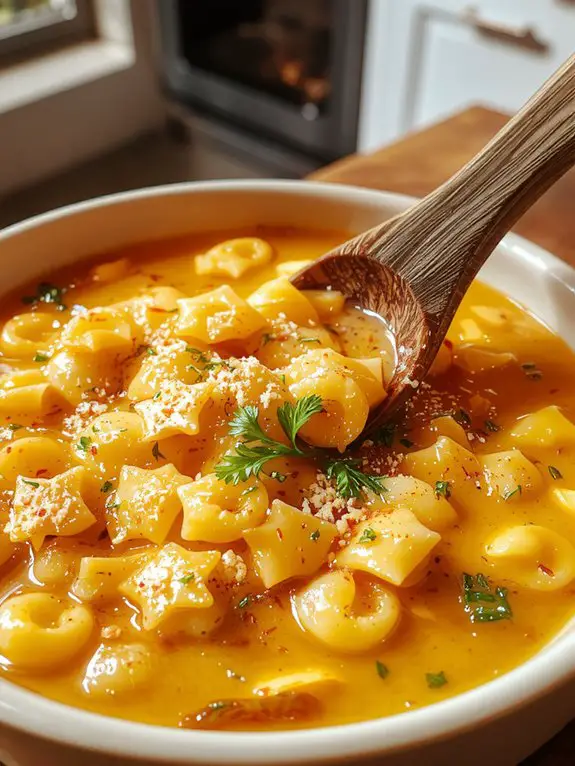
– Heat the broth: Begin by pouring your chicken or vegetable broth into a medium saucepan. Turn the heat to medium-high and allow it to come to a gentle simmer.
Pro Tip: Using broth instead of water adds depth of flavor to your pastina, making it richer and more satisfying.
– Add the pastina: Once the broth is simmering, slowly pour in your pastina, stirring continuously to prevent clumping.
Watch-Out Warning: Stirring immediately guarantees the pasta cooks evenly and doesn’t stick to the bottom of the pan.
– Cook until tender: Let the pastina simmer for about 5-7 minutes, stirring occasionally, until it’s soft and tender.
Visual Cue: The pasta should be fully cooked but still maintain its small, comforting shape.
– Whisk in the egg: In a small bowl, whisk the egg until smooth. Slowly pour it into the simmering pastina, stirring constantly to create a creamy, custard-like texture.
Why Behind the Step: The egg thickens the broth and adds richness, giving the dish its signature comforting consistency.
– Incorporate the cheese: Remove the saucepan from the heat and stir in the grated Parmesan cheese until melted and well combined.
Flexibility: Pecorino Romano or Asiago cheese can be used for a slightly different flavor profile.
– Season to taste: Finish by adding a pinch of salt and freshly ground black pepper. Taste and adjust seasoning as needed.
Pro Tip: A drizzle of olive oil or a sprinkle of fresh parsley can elevate the dish with extra flavor and freshness.
– Serve immediately: Spoon the pastina into bowls and serve warm.
Watch-Out Warning: Pastina thickens as it cools, so enjoy it right away for the best texture.
Nutrition
This homemade pastina recipe is a comforting and nutritious dish. Below is the nutritional information per serving:
| Nutrient | Amount per Serving |
|---|---|
| Calories | 200 kcal |
| Protein | 7 g |
| Carbohydrates | 35 g |
| Fat | 4 g |
| Saturated Fat | 1 g |
| Cholesterol | 10 mg |
| Sodium | 300 mg |
| Fiber | 2 g |
| Sugar | 3 g |
Chef Tips
When making pastina, I’ve found that using fresh, high-quality ingredients truly elevates the dish.
I always cook the pasta al dente, as it holds its texture better when combined with other ingredients.
Adding a splash of pasta water helps bind the sauce.
For extra flavor, I finish with a drizzle of olive oil and a sprinkle of freshly grated Parmesan.
Simplicity is key!
Frequently Asked Questions
Can I Use Gluten-Free Pasta for Pastina?
Yes, I can use gluten-free pasta for pastina. I’ll just swap traditional wheat pasta with a gluten-free alternative, ensuring it’s small in size, like a rice grain, and adjust cooking time if needed for texture.
Is Pastina Suitable for Baby Food?
Yes, I’d consider pastina suitable for baby food if it’s cooked soft and mashed. I’d stick to plain pastina initially to avoid allergens, but I’d consult my pediatrician first to confirm it’s safe for my baby.
What Are the Best Toppings for Pastina?
I love adding butter, grated Parmesan, and a sprinkle of black pepper to my pastina. Sometimes I toss in fresh herbs like parsley for brightness or a drizzle of olive oil for richness—it’s simple but delicious.
Can I Make Pastina in a Rice Cooker?
I can make pastina in a rice cooker. I’ll just cook it like rice, using two parts water or broth to one part pastina, and let it cook until tender. I’ll stir occasionally to prevent sticking.
How Do I Store Leftover Pastina?
I store leftover pastina in an airtight container in the fridge for up to 3 days. If I want to keep it longer, I freeze it, but I know the texture might change when reheated.


