The Best Homemade Pavlova Recipe
Recipe
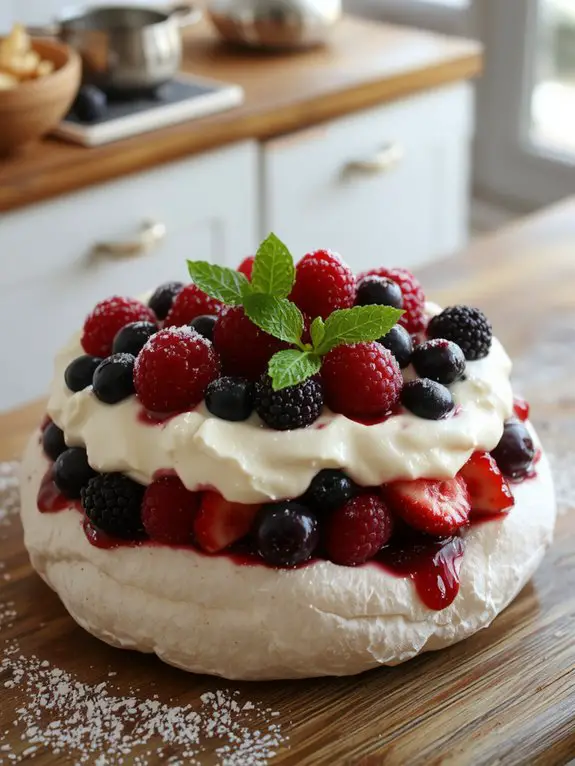
This pavlova recipe is a game-changer—I’ve made it countless times, and it *never* fails to impress. Imagine this: a crisp, airy meringue shell that shatters delicately with each bite, giving way to a marshmallow-like center that melts in your mouth.
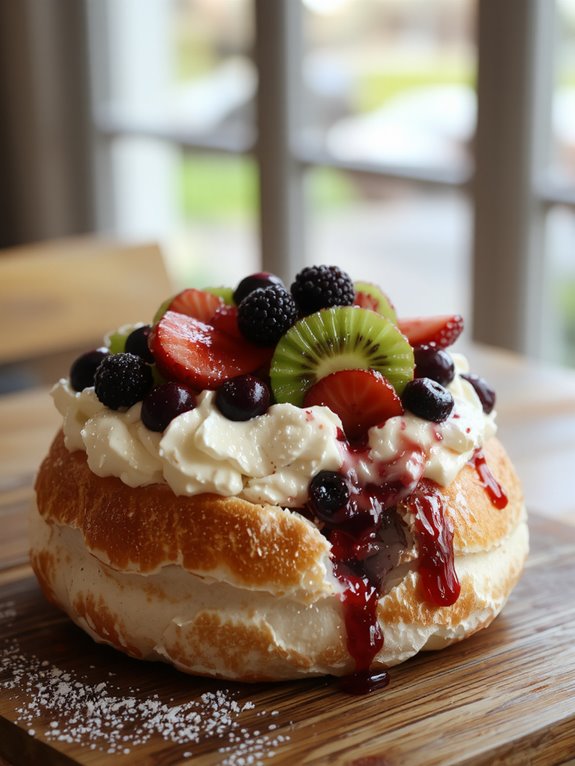
Topped with billowy whipped cream and a cascade of fresh, juicy berries, it’s like eating a cloud dressed in summer’s finest. The secret? A perfect balance of sugar and a touch of vinegar to stabilize the meringue, plus the patience to let it cool slowly in the oven (trust me, it’s worth the wait).
Whether you’re hosting a dinner party or just treating yourself, this pavlova is as stunning as it’s delicious—and way easier to make than you’d think. Ready to whip up a dessert that’ll have everyone asking for seconds? Let’s do this.
Ingredients
For a perfect pavlova, using the right ingredients is vital. Fresh, high-quality elements guarantee that delicate meringue base stays crisp on the outside and marshmallow-soft on the inside, while the toppings bring balance and flair. Here’s what you’ll need:
For the Meringue Base:
- Egg whites (room temperature): Fresh egg whites whip better and hold their shape. Older eggs can work, but fresh is ideal.
- Granulated sugar: Superfine sugar dissolves faster, creating a smoother meringue. Regular granulated sugar works too, but avoid powdered sugar.
- Cornstarch: This stabilizes the meringue, giving it that signature soft center. Don’t skip it!
- White vinegar or lemon juice: A small amount helps stabilize the egg whites and adds a subtle tang.
- Vanilla extract: Pure vanilla enhances the flavor; imitation vanilla can be used in a pinch.
For the Toppings:
- Whipped cream: Use heavy whipping cream for richness. Avoid low-fat options—they won’t hold up as well.
- Fresh fruits: Seasonal berries (like strawberries, raspberries, or blueberries) are a classic choice. Kiwi, passionfruit, or mango add a tropical twist.
- Optional garnishes: Mint leaves, edible flowers, or a dusting of powdered sugar can elevate the presentation.
Pro Tips:
- Use room temperature egg whites for maximum volume when whipping.
- If you’re short on time, pre-made whipped cream works, but homemade tastes fresher and lighter.
- Swap out fruits based on what’s in season—this dessert is endlessly customizable.
- For a show-stopping finish, drizzle with melted chocolate or passionfruit curd.
Non-negotiables? Fresh egg whites, granulated sugar, and cornstarch are essential for the meringue’s structure. The rest is flexible, so feel free to get creative with toppings!
How to Make the Best Perfect Pavlova Technique
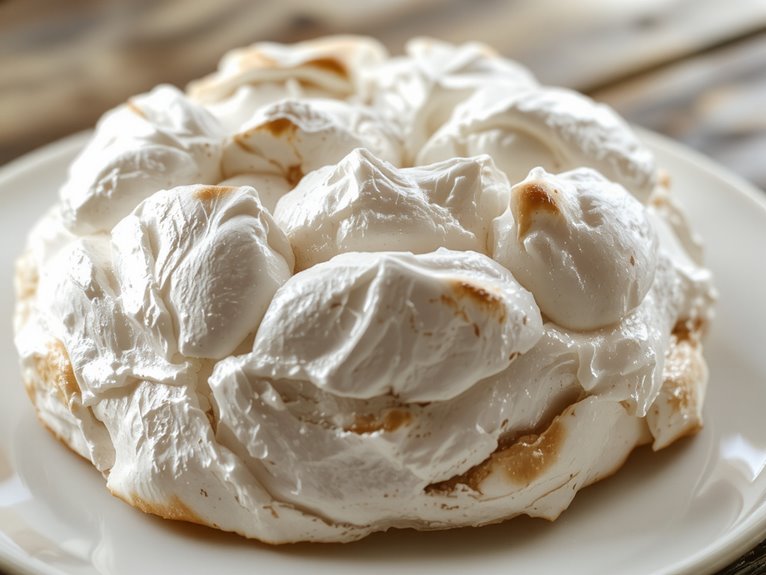
– Spoon the meringue onto the parchment, shaping it into a 8-inch circle with slightly raised edges. The edges will hold toppings later.
Use the back of a spoon to create swirls for texture.
– Bake for 1 hour, then turn off the oven and let the pavlova cool inside for at least 2 hours. Sudden temperature changes cause cracking.
Pro tip: If rushed, prop the oven door open slightly with a wooden spoon.
– Top with whipped cream and fresh fruit just before serving. The pavlova’s crisp shell softens quickly once topped, so assemble right before eating.
Store leftovers (un-topped) in an airtight container.
Nutrition
Pavlova is a light and airy dessert that’s surprisingly low in calories. Here’s the nutritional breakdown per serving:
| Nutrient | Amount per Serving |
|---|---|
| Calories | 120 kcal |
| Carbohydrates | 25g |
| Protein | 2g |
| Fat | 1g |
| Sugar | 22g |
| Fiber | 0g |
Chef Tips
When making pavlova, I always make sure my mixing bowl is completely grease-free to help the egg whites whip properly. A pinch of cream of tartar stabilizes the meringue, and I gradually add sugar for a smooth texture.
I bake it low and slow to avoid cracking, then let it cool in the oven to prevent deflating. Fresh, seasonal toppings like berries and whipped cream make it shine.
Frequently Asked Questions
Can I Freeze Pavlova?
No, I wouldn’t recommend freezing pavlova. Its delicate meringue base loses its crispness when thawed, turning soggy or chewy. I’d suggest making it fresh or storing leftovers in an airtight container, but freezing’s not the way to go.
How Long Does Pavlova Last in the Fridge?
I’ve found pavlova lasts about 1-2 days in the fridge if stored properly. Keep it airtight to prevent moisture from softening the meringue, but honestly, it’s best eaten fresh for that perfect crisp texture.
Can I Make Pavlova Without Cream of Tartar?
Yes, I can make pavlova without cream of tartar. I’d use an alternative like white vinegar or lemon juice to stabilize the egg whites. It might change the texture slightly, but the results are still delicious.
What’s the Best Way to Store Leftover Pavlova?
I’d keep leftover pavlova in an airtight container at room temperature for up to a day, but if it’s humid, I’d refrigerate it. I’d add toppings just before serving to keep it crisp and fresh.
Why Did My Pavlova Crack While Baking?
I think your pavlova cracked because the oven temperature was too high or you opened the door too soon. Rapid temperature changes make it split. Next time, bake it low and slow, and don’t peek!