The Best Homemade Pho Recipe
Recipe
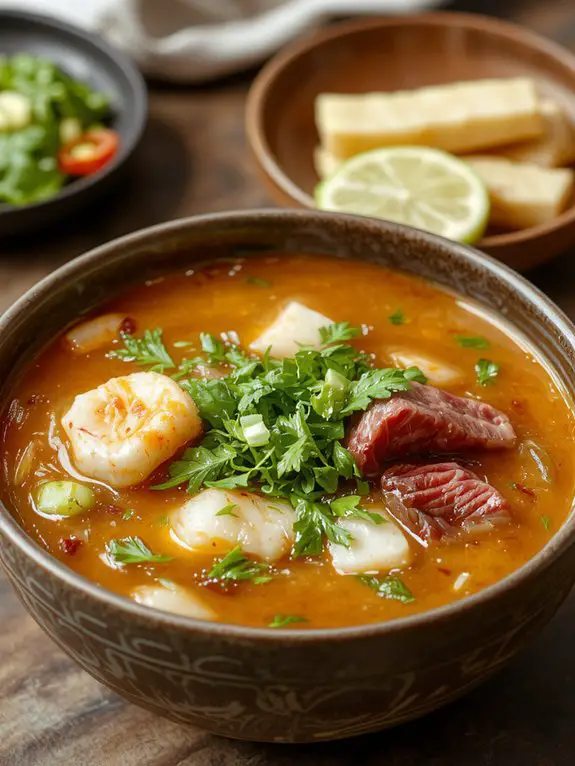
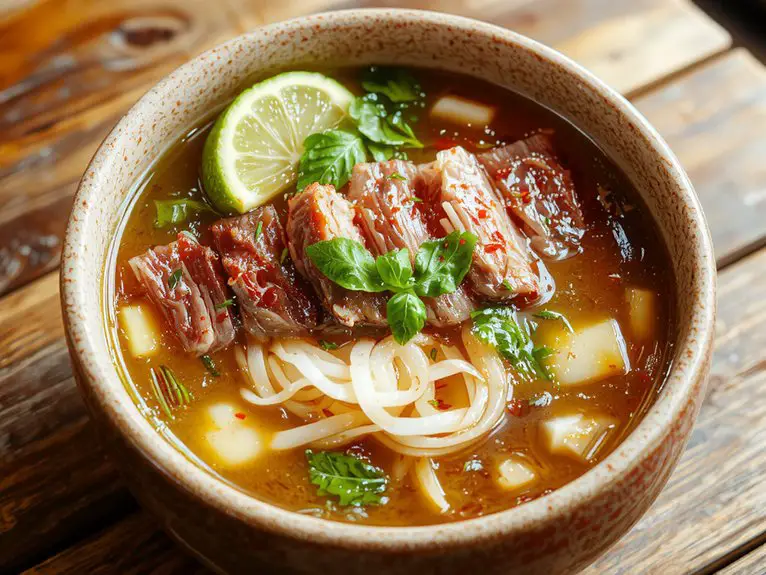
Let me tell you, if you’ve ever thought making pho at home was intimidating or reserved for restaurant chefs, think again—this recipe is a game-changer. I’ve been perfecting it for years, and it’s the ultimate comfort food that’ll make your kitchen smell like a Hanoi street corner.
The secret? A deeply flavorful broth simmered with aromatic spices like star anise, cinnamon, and cloves, paired with tender slices of beef or chicken and silky rice noodles. Trust me, the first spoonful of that rich, fragrant broth will make you wonder why you ever ordered takeout.
Plus, it’s totally customizable—pile on fresh herbs, bean sprouts, and a squeeze of lime for that bright, zingy finish. If you’re craving a bowl of warmth and flavor that feels like a hug, this homemade pho is your ticket. Let’s get cooking!
Ingredients
The secret to an unforgettable bowl of pho lies in its ingredients—fresh, high-quality, and thoughtfully chosen. While some elements are non-negotiable for that authentic flavor, there’s room for flexibility if you’re working with what’s in your pantry. Let’s break it down:
For the Broth (The Heart of Pho):
- Beef bones (or chicken bones): Use a mix of marrow and knuckle bones for a rich, gelatinous base. Chicken wings or carcasses work for chicken pho.
- Yellow onion & ginger: Char them before adding to the broth for a smoky, aromatic depth.
- Spices (star anise, cinnamon, cloves, coriander seeds, cardamom): Toast these lightly to release their full flavor. *Pro tip:* Skip toasting if you’re short on time, but don’t skip the spices—they’re the soul of the broth.
- Fish sauce: This adds the essential umami. Use a high-quality brand like Red Boat for the best results.
- Rock sugar (or brown sugar): Balances the saltiness of the fish sauce.
For the Noodles & Toppings:
- Rice noodles (banh pho): Look for flat, medium-width noodles. Soak them in warm water before cooking to avoid mushiness.
- Protein (thinly sliced beef, chicken, or tofu): For beef, use eye of round or sirloin—it cooks in the hot broth. Chicken pho works best with poached chicken breast or thigh.
- Bean sprouts, Thai basil, lime, and cilantro: These fresh herbs and veggies add brightness and crunch. *Pro tip:* If Thai basil isn’t available, regular basil works in a pinch, but it won’t have that same licorice-like flavor.
- Chili peppers and hoisin sauce: Optional, but highly recommended for a spicy, sweet kick.
Extras for Elevation:
- Sliced scallions and white onion: Adds a fresh, sharp bite.
- Sriracha: For those who like it extra spicy.
- Fried shallots: A crispy, golden garnish that takes it to the next level.
*Non-negotiable:* The broth spices and fish sauce are essential—don’t skip them. Fresh herbs and lime are also key for that classic pho finish.
*Substitutions:* If you can’t find rock sugar, brown sugar works fine. For a vegetarian version, swap in vegetable broth and mushrooms for the protein.
*Little wins:* Toasting the spices and charring the onion and ginger may seem like extra steps, but they’re worth every second for that restaurant-quality flavor.
How to Make the Best Authentic Beef Pho Recipe
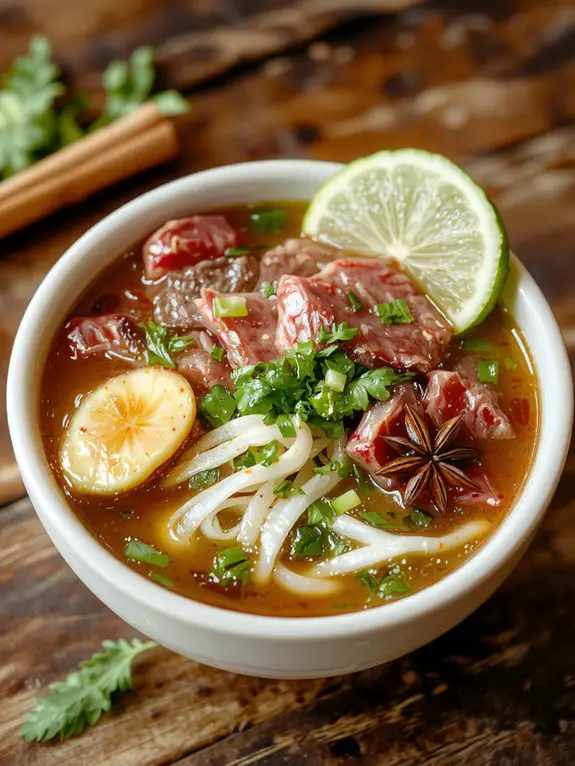
Slice the Beef: Use thinly sliced raw beef sirloin or brisket for authenticity. The hot broth will cook the slices to perfection as you pour it over the noodles.
For a tender result, slice the beef against the grain.
Assemble the Pho: Arrange noodles, beef slices, and optional garnishes like bean sprouts, Thai basil, lime wedges, and jalapeños in bowls.
Pour the steaming broth over the top, which will cook the beef instantly. Serve immediately.
Adjust to Taste: Customize your pho with hoisin sauce, Sriracha, or extra herbs for a personal touch.
Encourage diners to squeeze fresh lime juice into their bowls for a bright, citrusy finish.
Pro Tip: To save time, prepare the broth a day ahead—it tastes even better after resting overnight.
Store it in the fridge and reheat before serving.
Nutrition
Pho is a nutritious dish that provides a balance of protein, carbs, and essential vitamins. Here’s the nutritional breakdown per serving:
| Nutrient | Amount per Serving |
|---|---|
| Calories | 350 |
| Protein | 25g |
| Fat | 8g |
| Carbohydrates | 45g |
| Fiber | 2g |
| Sugar | 3g |
| Sodium | 800mg |
Chef Tips
When making pho at home, I always start by charring the onions and ginger to deepen the broth’s flavor. Skim the fat and impurities as it simmers for a clearer broth.
Use high-quality beef bones and spices like star anise and cinnamon sticks. Don’t overcrowd the noodles in the bowl.
Add fresh herbs, lime, and bean sprouts right before serving for maximum freshness and crunch.
Frequently Asked Questions
Can I Use Chicken Instead of Beef for Pho?
Yes, you can use chicken instead of beef for pho. I’ve made it myself, and it’s delicious—just simmer chicken bones for broth and use tender meat. The spices stay the same, so it still tastes authentic.
How Do I Store Leftover Pho Broth?
I’ll store leftover pho broth in airtight containers and refrigerate it for up to three days or freeze it for months. Before reheating, I skim off any fat and warm it gently. It’s handy for quick meals later.
What’s the Best Noodle Substitute for Gluten-Free Pho?
I’d recommend rice noodles because they’re naturally gluten-free and soak up the broth perfectly. If you’re looking for something different, try zucchini noodles or shirataki noodles—they’re light and keep the dish flavorful without gluten.
Can I Make Pho in an Instant Pot?
Yes, you can make pho in an Instant Pot! I’ve done it myself—it cuts the cooking time way down while still giving you that rich, flavorful broth. Just adjust the spices and pressure-cook for about 30 minutes.
Why Is My Pho Broth Cloudy?
Your pho broth’s cloudy ‘cause you didn’t skim the scum or strain it well. I’d boil it gently, skim off impurities, and use a fine mesh strainer to keep it clear for a clean, flavorful broth.


