The Best Homemade Potato Soup Recipe

Recipe
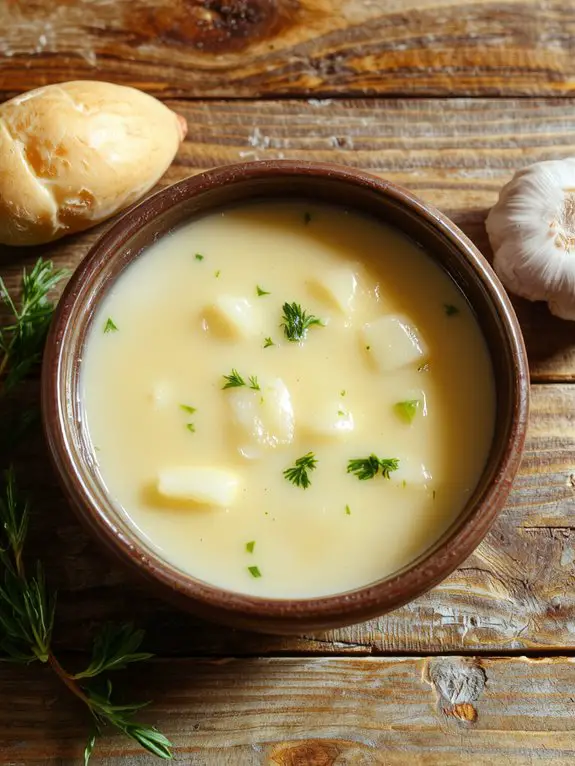
There’s something magical about a bowl of homemade potato soup—creamy, comforting, and packed with flavor, it’s the kind of dish that feels like a warm hug on a chilly day.
This recipe is my go-to because it’s ridiculously easy to make yet tastes like it simmered for hours, thanks to a few simple tricks (hello, crispy bacon and a splash of heavy cream).
The potatoes melt into velvety perfection, while the garlic and onions add just the right depth. Top it with sharp cheddar and fresh chives, and you’ve got a bowl of pure comfort that’ll have everyone asking for seconds.
Trust me, once you try this, it’ll become a staple in your kitchen.
Ingredients
A great potato soup starts with the right ingredients—fresh, high-quality, and balanced to create that creamy, comforting texture. Potatoes are the star, but it’s the supporting cast that really makes this dish shine. Here’s what you’ll need:
For the Soup Base:
- Russet Potatoes – Their starchiness is key for that velvety texture. Yukon Golds work too if you prefer a slightly creamier result.
- Chicken Broth (or Vegetable Broth) – Adds depth of flavor. Homemade broth is best, but store-bought works fine—just avoid low-sodium unless you’re controlling salt.
- Heavy Cream – Non-negotiable for richness. Half-and-half or whole milk can be used for a lighter version, but it won’t be as indulgent.
- Butter – Unsalted butter lets you control the salt level and adds a luxurious mouthfeel.
Flavor Builders:
- Yellow Onion – Essential for sweetness and depth. A white onion works in a pinch.
- Garlic – Fresh garlic cloves are a must—skip the jarred stuff for this one.
- Celery – Adds subtle earthiness. If you’re not a fan, you can omit it, but it enhances the soup’s complexity.
- Carrots – Optional, but they add sweetness and a pop of color.
Seasonings:
- Salt & Pepper – Season generously, especially since potatoes need a lot of love.
- Bay Leaves – A chef’s secret for subtle herbal notes. Skip if you don’t have them, but they elevate the soup.
- Thyme – Fresh thyme is ideal, but dried works if you’re in a pinch.
Optional Garnishes:
- Shredded Cheese (Cheddar or Gouda) – Melts beautifully into the soup for extra creaminess.
- Chopped Bacon or Ham – Adds smoky, savory depth.
- Green Onions or Chives – Fresh herbs brighten up the richness.
- Sour Cream or Greek Yogurt – A dollop adds tanginess and a professional touch.
Pro Tip: Always use fresh, high-quality potatoes—avoid ones that are green or sprouting, as they can taste bitter.
And don’t skimp on the butter and cream—they’re what make this soup unforgettable.
How to Make the Best Creamy Potato Soup Recipe
Prep the Potatoes
Peel and dice the potatoes into evenly sized chunks—this guarantees they cook uniformly. Smaller pieces mean quicker cooking and a smoother texture later.
Pro Tip: Soak the diced potatoes in cold water for 10 minutes to remove excess starch, preventing a gummy soup.
Sauté the Aromatics
Melt butter in a large pot over medium heat. Add diced onions and minced garlic, cooking until fragrant and translucent—about 5 minutes. This step builds the flavor base.
Watch-Out Warning: Avoid browning the onions; you want them soft but not caramelized.
Cook the Potatoes
Add the diced potatoes to the pot, stirring to coat them in the butter and aromatics. Pour in enough broth or water to cover the potatoes by about an inch.
Bring to a gentle boil, then reduce the heat to simmer until the potatoes are tender—approximately 15–20 minutes.
Pro Tip: Test doneness by piercing a potato chunk with a fork—it should slide off easily.
Blend for Creaminess
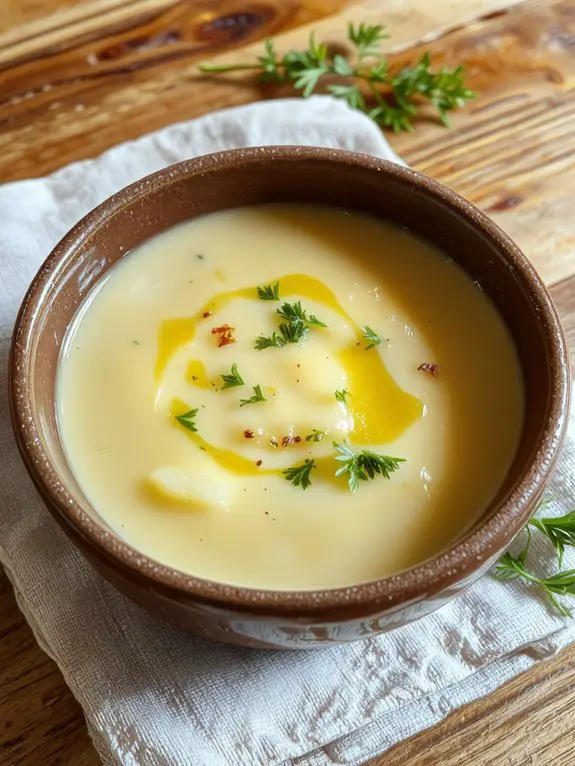
Once the potatoes are soft, use an immersion blender to purée the soup until smooth. If you prefer a chunkier texture, blend only half the mixture.
Watch-Out Warning: Be cautious when blending hot liquids to avoid splatters. For extra creaminess, stir in a splash of heavy cream or milk.
Season to Perfection
Add salt, pepper, and any additional seasonings like thyme or paprika to taste. Taste as you go—potatoes absorb salt, so you may need more than you think.
Pro Tip: Finish with a sprinkle of fresh herbs (like parsley or chives) for a bright, fresh flavor.
Serve and Garnish
Ladle the soup into bowls and garnish with toppings like grated cheese, crispy bacon bits, or a dollop of sour cream.
Flexibility Note: This soup thickens as it cools, so feel free to thin it with extra broth or milk when reheating leftovers.
Nutrition
This homemade potato soup is not only delicious but also packed with essential nutrients. Here’s a breakdown of the nutritional content per serving.
| Nutrient | Amount per Serving |
|---|---|
| Calories | 250 kcal |
| Protein | 8 g |
| Carbohydrates | 35 g |
| Fat | 10 g |
| Fiber | 4 g |
| Sodium | 600 mg |
| Cholesterol | 20 mg |
Chef Tips
When making potato soup, I like to use starchy potatoes like Russets because they break down easily, giving the soup a creamy texture without needing heavy cream.
Sharpen your knife skills to dice them evenly for consistent cooking.
Master seasoning techniques by layering flavors—start with sautéed onions, add garlic, and finish with fresh herbs.
Always taste and adjust salt and pepper at the end for a balanced soup.
Frequently Asked Questions
Can I Freeze Potato Soup?
Yes, I can freeze potato soup. I secure proper stock preparation to avoid separation. For freezer storage, I use airtight containers, leaving room for expansion. When thawing methods, I prefer slow defrosting in the fridge overnight.
How Long Does Potato Soup Last in the Fridge?
Potato soup lasts 3-4 days in the fridge if stored properly. For maximum fridge lifespan, I keep it in an airtight container and make sure it cools before refrigerating. These storage tips help maintain freshness and prevent spoilage.
Can I Use Sweet Potatoes Instead?
Yes, I can use sweet potatoes instead—they’ll add a richer sweet potatoes flavor and boost the sweet potatoes nutrition with extra vitamins. Just adjust cooking time since they soften faster than regular potatoes.
Is Potato Soup Gluten-Free?
Potato soup is gluten-free if I use all gluten-free ingredients. I guarantee my broth, thickeners, and seasonings fit a gluten-free diet. Cross-contamination can affect it, so I clean tools and surfaces thoroughly to keep it safe.
What Can I Substitute for Heavy Cream?
I’d use dairy alternatives like coconut milk, cashew cream, or oat milk as cream substitutes. They add richness without heavy cream. Plain yogurt or silken tofu works too, blending smoothly for a creamy texture.


