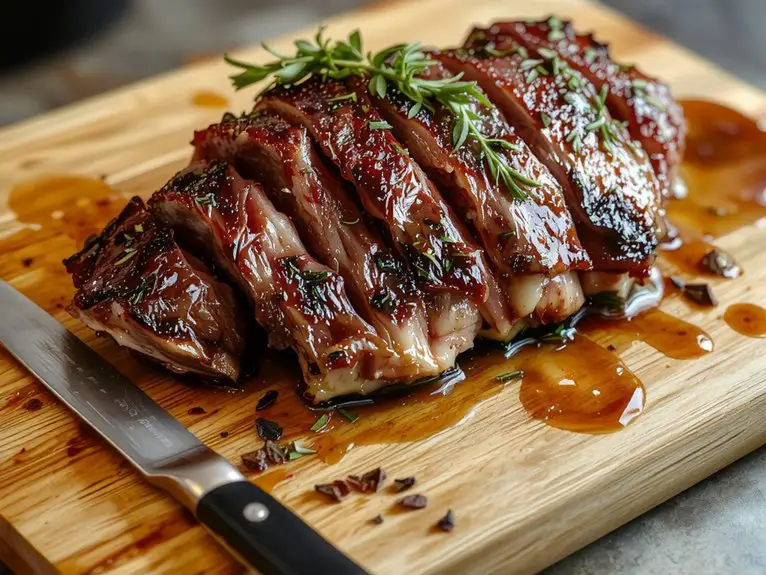
The Best Homemade Prime Rib Recipe
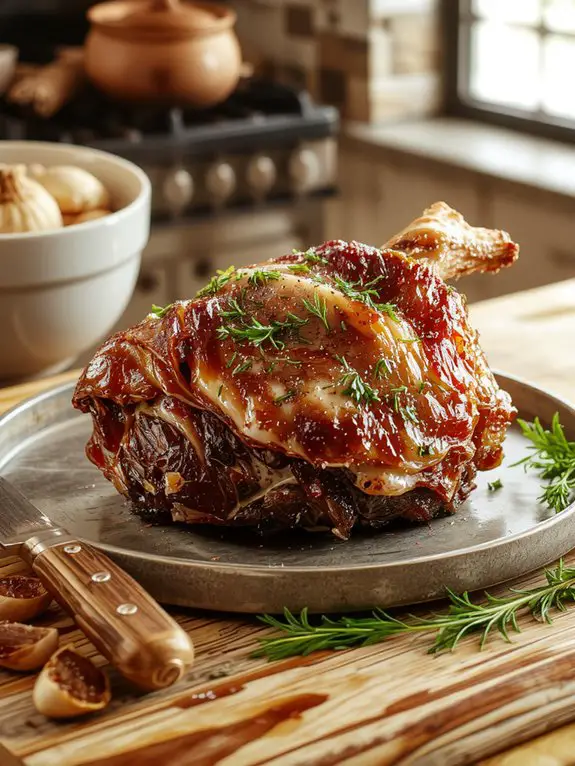
Recipe
Let me tell you, this prime rib recipe is a game-changer—it’s the kind of dish that’ll make your dinner guests think you’ve been perfecting it for years. The secret? A simple yet foolproof method that locks in all the juiciness and creates a crust so flavorful, you’ll want to savor every bite.
I’ve made this countless times for family gatherings, and it never fails to impress. Imagine this: a perfectly medium-rare center with a savory, herb-infused crust on the outside, paired with a rich au jus that ties it all together.
Whether it’s a holiday feast or a special Sunday dinner, this prime rib is the star of the table. Trust me, once you try it, you’ll never go back to guessing how to cook the perfect roast.
Let’s get started—it’s easier than you think!
Ingredients
When it comes to making the perfect prime rib, the quality of your ingredients can make or break the dish. Start with a well-marbled rib roast—this guarantees rich flavor and tenderness as it cooks.
Fresh herbs and a good-quality salt are non-negotiables for seasoning, while a flavorful fat like butter or olive oil helps to create that crave-worthy crust. Here’s what you’ll need:
– Prime Rib Roast (4–5 lbs): Look for a well-marbled, bone-in rib roast for maximum flavor and juiciness.
*Substitution: Boneless rib roast works too, but the bone adds extra flavor.*
– Kosher Salt (2 tbsp): Essential for seasoning and enhancing the meat’s natural flavors.
*Substitution: Sea salt can be used in a pinch, but kosher salt dissolves more evenly.*
- Freshly Cracked Black Pepper (1 tbsp): Adds a subtle heat and depth to the crust.
- Garlic (4–5 cloves, minced): Garlic is a must for its aromatic, savory notes.
- Fresh Rosemary (2 tbsp, chopped): Bright and earthy, rosemary complements the richness of the beef.
*Substitution: Thyme or oregano can work, but rosemary is ideal.*
- Fresh Thyme (1 tbsp, chopped): Adds a layer of herbal complexity.
- Unsalted Butter (4 tbsp, softened): Helps to create a golden, flavorful crust.
*Substitution: Olive oil can be used, but butter delivers richer flavor.*
– Beef Broth (1 cup): Deglazes the pan and creates a delicious au jus for serving.
*Little Win: Use low-sodium broth to control the saltiness of the sauce.*
Pro tip: Let your prime rib sit at room temperature for 1–2 hours before cooking. This guarantees even cooking and a perfectly tender result.
How to Make the Best Recipe Steps Overview
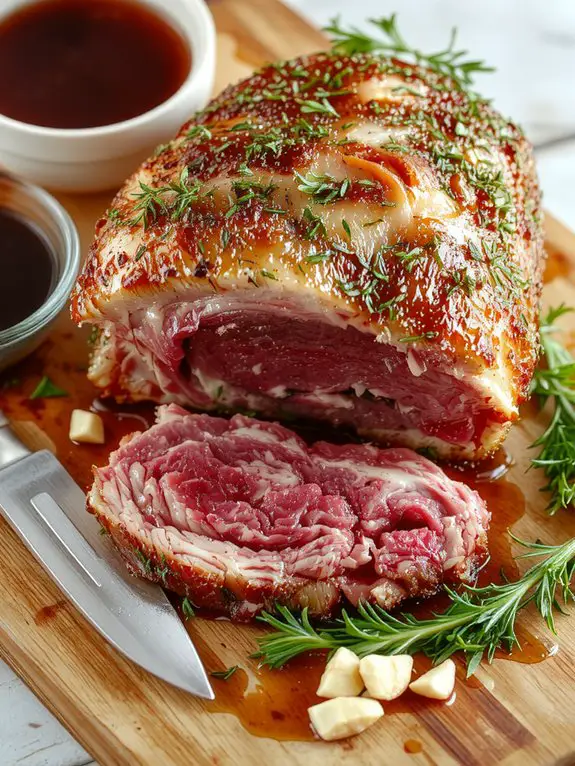
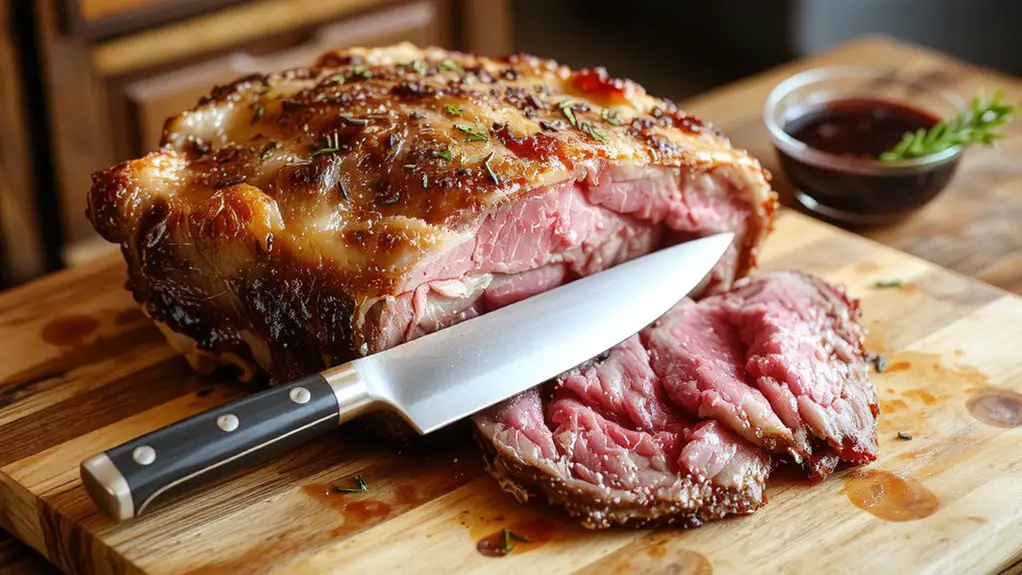
– Let the prime rib rest for at least 30 minutes after removing it from the oven. This allows the juices to redistribute throughout the meat, ensuring it stays tender and juicy when sliced.
Cover it loosely with foil to keep it warm.
– Carve and serve. Slice the prime rib against the grain for maximum tenderness. Use a sharp carving knife and aim for even slices. Serve with your favorite sides and enjoy!
Pro Tip: If you’re unsure about doneness, use a digital thermometer for accuracy. Overcooking can dry out the meat, so it’s better to err on the side of rare and let residual heat finish the job.
Watch-Out Warning: Don’t skip the resting period—it’s essential for achieving a juicy prime rib. Cutting into it too soon will result in lost juices and a less flavorful roast.
Nutrition
Prime rib is a rich and flavorful cut of beef that’s perfect for special occasions. Here’s the nutrition information for a typical serving.
| Nutrient | Amount per Serving |
|---|---|
| Calories | 350 kcal |
| Protein | 25 g |
| Fat | 28 g |
| Saturated Fat | 12 g |
| Cholesterol | 85 mg |
| Sodium | 65 mg |
| Iron | 2.5 mg |
Chef Tips
A perfectly cooked prime rib starts with the right cut. I always choose a well-marbled rib roast for tenderness. Sharp knife skills are essential—trim excess fat carefully and slice against the grain for serving.
To achieve flavor balance, season generously with salt, pepper, and herbs, and let it rest before carving to lock in juices. Patience and attention to detail make all the difference.
Frequently Asked Questions
Can I Use a Different Cut of Beef for This Recipe?
I can try beef alternatives like ribeye or tenderloin, but prime rib’s best for tenderness and flavor. Recipe variations work, but I’ll adjust cooking times since cuts differ. It won’t taste the same, though.
How Do I Store Leftover Prime Rib?
I’ll wrap leftover prime rib tightly in foil or plastic, then store it in an airtight container. Follow food storage and refrigeration tips by keeping it in the fridge for up to 3-4 days. Optionally, I freeze slices for longer.
Can I Cook Prime Rib From Frozen?
I wouldn’t cook prime rib from frozen for safety and quality reasons. Thaw it first in the fridge or use a cold water bath, then apply proper cooking methods like roasting for even doneness and safe consumption.
What Sides Pair Best With Prime Rib?
I’d pair prime rib with roasted vegetable sides like asparagus or Brussels sprouts and creamy mashed potatoes. For wine pairing, I’d choose a bold red like Cabernet Sauvignon or Malbec to complement the rich flavors perfectly.
Is Prime Rib the Same as Ribeye Steak?
I know prime rib and ribeye come from the same cut, but prime rib’s a roast with bones left in, while ribeye’s a steak. I always check prime rib grades and use prime rib seasoning for the best flavor.