The Best Homemade Ravioli Recipe
Recipe
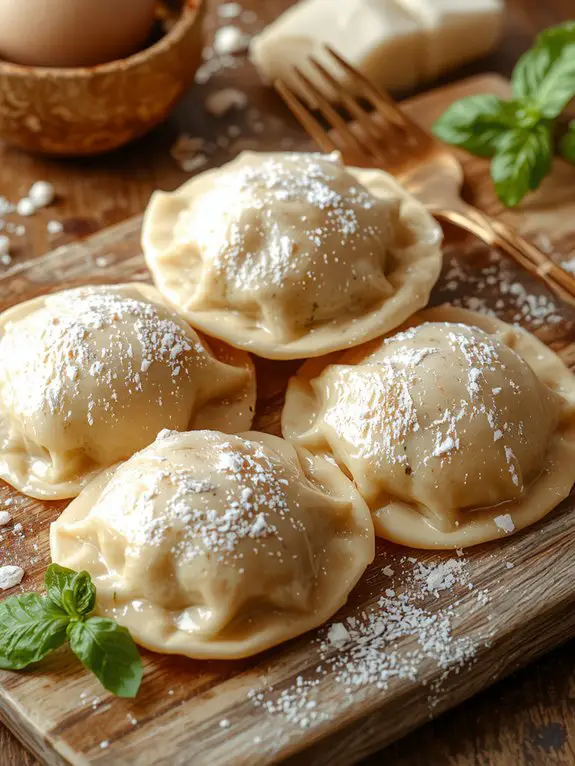
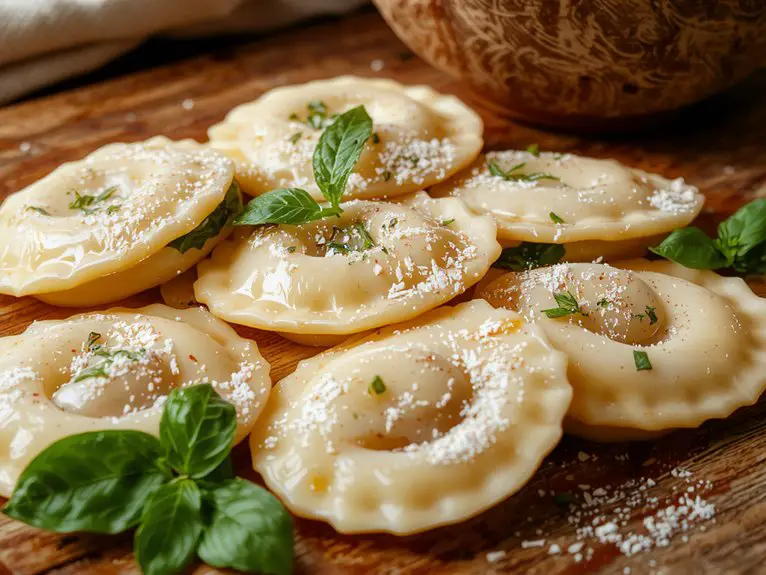
Making homemade ravioli might sound intimidating, but trust me—once you taste the pillowy pockets of pasta filled with rich, savory goodness, you’ll never go back to store-bought.
This recipe is all about simplicity and soul, combining fresh eggs, good olive oil, and a sprinkle of patience to create something truly magical.
The dough is silky smooth, the filling is bursting with flavor, and the whole process feels like a little love letter to Italian cooking.
Perfectly tender, with just the right bite, these ravioli are a showstopper on any table—and yes, you can absolutely make them yourself.
Let’s get rolling!
Ingredients
Making homemade ravioli from scratch is easier than you think—especially when you start with the right ingredients. Fresh, high-quality components make all the difference, turning simple dough and filling into pillowy pockets of perfection. Here’s what you’ll need, plus a few chef-approved tricks to guarantee success:
For the Pasta Dough:
- 00 flour or all-purpose flour – The fine texture of 00 flour creates a silky dough, but all-purpose works in a pinch (just knead it a bit longer).
- Eggs – Use large, room-temperature eggs for better dough elasticity. Fresh farm eggs? Even better—they add richness and a golden hue.
- Olive oil – A splash keeps the dough supple and prevents cracking when rolling.
- Salt – Just a pinch to enhance flavor—don’t skip it!
For the Filling (Classic Ricotta-Spinach):
- Whole-milk ricotta – Avoid skim; the extra fat binds the filling and adds creaminess.
- Parmigiano-Reggiano – Freshly grated is non-negotiable for its sharp, nutty depth. Pre-grated won’t melt the same way.
- Fresh spinach – Blanched, squeezed dry, and finely chopped. Frozen works too—just thaw and drain *thoroughly* to avoid a soggy filling.
- Nutmeg – A tiny pinch brightens the ricotta. Trust us.
- Egg yolk – Acts as a binder so the filling doesn’t ooze out during cooking.
Extras for Serving:
- Brown butter & sage – The ultimate pairing. Cook butter until nutty, toss in fresh sage leaves, and drizzle over cooked ravioli.
- Semolina flour – Dust your tray with it to prevent sticking. Cornmeal works in a pinch, but semolina’s grit is ideal.
Pro Tip: Roll your dough *thin*—about 1/16-inch thick—for delicate, restaurant-quality ravioli. Too thick, and they’ll taste doughy; too thin, and they’ll tear. Aim for the sweet spot!
How to Make the Best Classic Spinach Ravioli Recipe
- Prepare Ingredients: Start by softening butter to room temperature for easier mixing. Make sure spinach is thoroughly washed and dried to prevent excess moisture in the filling. Having everything prepped and ready guarantees a smooth cooking process.
- Make the Dough: Combine flour and eggs in a large bowl, mixing until a crumbly dough forms. Knead the dough on a floured surface for about 8-10 minutes until smooth and elastic.
Pro tip: Wrap the dough in plastic wrap and let it rest for 30 minutes—this relaxes the gluten and makes rolling easier.
– Prepare the Filling: Sauté spinach with garlic until wilted, then squeeze out any excess liquid using a clean kitchen towel. Mix the spinach with ricotta, parmesan, and a pinch of nutmeg for flavor.
Watch out: Over-mixing can make the filling watery, so gently combine ingredients.
- Roll the Dough: Divide the dough into smaller portions and roll each piece into thin sheets using a rolling pin or pasta machine. Aim for about 1/16-inch thickness—this secures the ravioli cooks evenly without being too thick or tearing.
- Assemble the Ravioli: Place small spoonfuls of filling onto one sheet of dough, spacing them evenly. Brush the dough around the filling with water to help seal the edges.
Lay another sheet over the top and press around each filling to remove air pockets. Use a ravioli cutter or knife to separate into individual pieces.
Pro tip: Work in small batches to keep the dough from drying out.
– Cook the Ravioli: Bring a large pot of salted water to a gentle boil. Cook the Ravioli in batches for 3-4 minutes or until they float to the surface.
Visual cue: They’re done when the edges are tender but still firm. Avoid overcrowding the pot, as it can lower the water temperature.
– Serve Immediately: Toss cooked ravioli with your favorite sauce, such as marinara or brown butter sage. Garnish with grated parmesan and fresh herbs for an extra touch.
Flexibility: Ravioli can also be frozen—lay uncooked pieces on a baking sheet, freeze, then transfer to a bag for later use.
– Pro Tip: For a time-saving shortcut, use wonton wrappers instead of homemade dough—they’re thinner and cook faster but still deliver great results.
Nutrition
This homemade ravioli recipe is packed with essential nutrients and offers a balanced meal. Below is the nutritional breakdown per serving.
| Nutrient | Amount per Serving |
|---|---|
| Calories | 320 kcal |
| Protein | 15 g |
| Carbohydrates | 40 g |
| Fat | 10 g |
| Fiber | 3 g |
| Sodium | 450 mg |
Chef Tips
While rolling out the dough, I always recommend keeping it lightly floured to prevent sticking but not so much that it dries out.
Use a pasta machine for even thickness, and rest the dough to make it easier to handle.
When filling, make sure there’s no air trapped inside to avoid bursting.
Cook ravioli in boiling salted water just until they float, then serve immediately for the best texture.
Frequently Asked Questions
Can I Freeze Homemade Ravioli?
Yes, I can freeze homemade ravioli. I lay them flat on a tray to freeze first, then transfer them to a bag. They’ll last up to 3 months, and I cook them straight from frozen.
Is Gluten-Free Pasta Dough Suitable?
I think gluten-free pasta dough works, but it’s trickier to handle. I’ve found it tears more easily, so I roll it thicker. You’ll need xanthan gum or a blend that mimics gluten’s elasticity.
How Long Does Homemade Ravioli Last?
Homemade ravioli lasts about 2-3 days in the fridge if it’s fresh. If I freeze it, it’ll stay good for up to 2 months. I’d recommend eating it sooner rather than later for the best flavor.
Can I Use a Pasta Machine Instead?
I can definitely use a pasta machine instead of rolling dough by hand—it’s faster and gives me an even thickness. I’ll just feed the dough through the machine, adjusting settings until it’s perfect for ravioli.
What Sauces Pair Well With Spinach Ravioli?
I’d pair spinach ravioli with a creamy Alfredo, a simple brown butter sage sauce, or a light marinara. If I’m feeling fancy, a lemon garlic butter or pesto sauce works beautifully—it’s all about balancing flavors.


