The Best Homemade Red Curry Recipe
Recipe
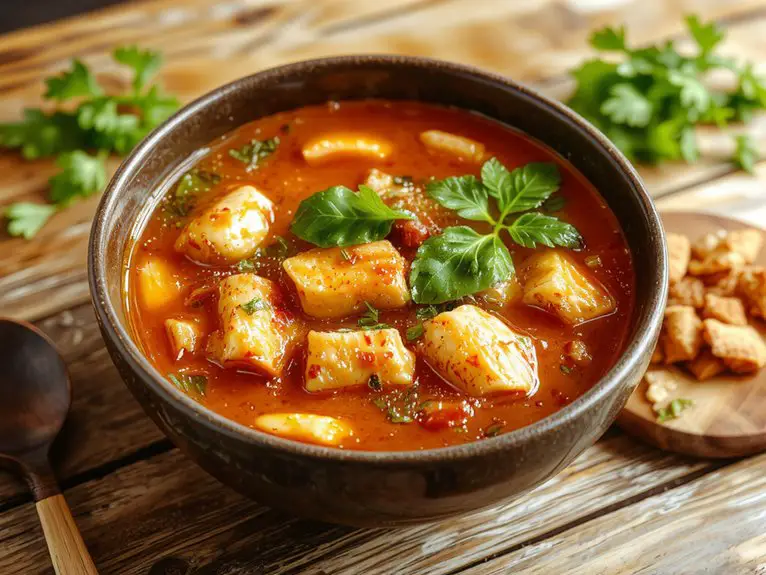
Get ready to make the most vibrant, flavor-packed red curry you’ve ever tasted—because this recipe is a total game-changer. Forget takeout; this homemade version is fresher, bolder, and completely customizable to your spice level.
The secret? A killer blend of toasted spices, creamy coconut milk, and just the right amount of fiery red curry paste (trust me, it makes all the difference).
Picture tender bites of protein swimming in a rich, aromatic sauce that’s equal parts sweet, spicy, and savory—with a silky texture that clings to every spoonful.
Whether you’re a curry newbie or a seasoned pro, this dish comes together faster than you’d think, and the payoff is huge. Your kitchen’s about to smell incredible. Let’s do this.
Ingredients
The secret to an unforgettable homemade red curry lies in its ingredients—fresh, bold, and layered flavors are key. While some items are non-negotiable for that authentic taste, there’s always room for creativity and substitutions. Here’s everything you’ll need, plus tips to make your curry shine:
Aromatics & Base Ingredients
- Red curry paste: The heart of the dish—opt for a high-quality store-bought version or make your own for maximum flavor.
- Coconut milk: Full-fat is essential for a rich, creamy texture. Light versions can be used but will sacrifice depth.
- Fresh garlic & ginger: These add warmth and complexity—don’t skip them.
Proteins & Vegetables
- Protein of choice: Chicken, shrimp, tofu, or beef all work beautifully.
- Bell peppers: Adds sweetness and crunch. Swap with zucchini or green beans if preferred.
- Bamboo shoots: Optional, but they add a unique texture.
Seasonings & Finishers
- Fish sauce: A must-have for umami richness. Soy sauce is a decent substitute.
- Brown sugar: Balances the heat. Honey or palm sugar are great alternatives.
- Kaffir lime leaves: Fresh leaves elevate the dish, but lime zest can work in a pinch.
Toppings & Extras
- Fresh basil (Thai basil if possible): Adds a fragrant, herbal finish.
- Chili peppers: For extra heat—adjust to your preference.
- Lime wedges: A squeeze of lime brightens the entire dish.
Little tip: Toast the curry paste in oil before adding coconut milk to deepen its flavor.
Extras like a dollop of chili oil or a sprinkle of toasted sesame seeds can take your curry to the next level!
How to Make the Best Authentic Thai Red Curry
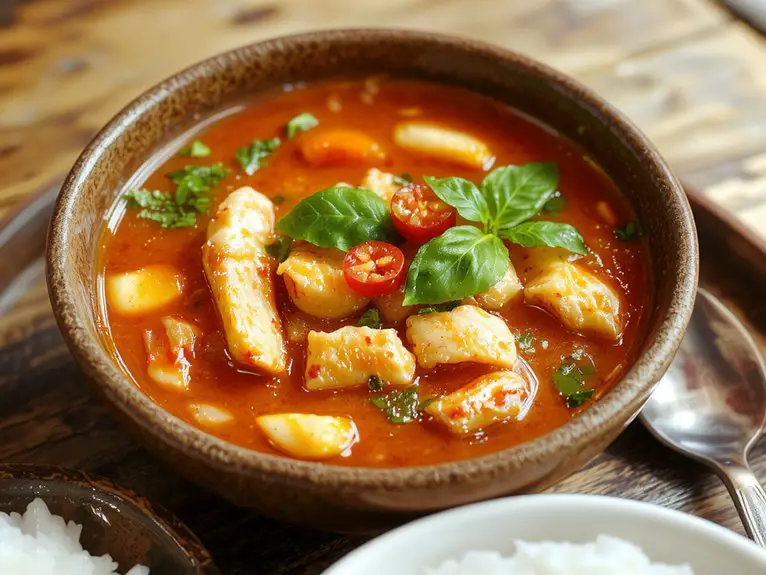
Season and Balance Flavors – Stir in fish sauce (or soy sauce for vegetarian options) and a pinch of sugar.
Taste and adjust—more fish sauce for saltiness, sugar for sweetness, or a squeeze of lime juice for acidity.
Finish with Fresh Herbs – Turn off the heat and add Thai basil leaves or cilantro.
This preserves their freshness and aroma, elevating the dish.
Serve Immediately – Ladle the curry over steamed jasmine rice or noodles.
Garnish with extra herbs, sliced red chili, or lime wedges for a vibrant presentation.
Pro Tip: If the curry is too thick, add a splash of broth or water to reach your desired consistency.
Too thin? Simmer a bit longer to reduce.
Watch-Out Warning: Don’t skip toasting the curry paste—it’s key to unveiling its depth of flavor.
Also, avoid overcooking the vegetables to keep them vibrant and crisp.
Flexibility: Feel free to swap in your favorite protein or veggies, and adjust the spice level by adding more or less curry paste.
This dish is forgiving and adaptable!
Nutrition
This homemade red curry is packed with flavor and nutrients. Here’s the nutritional breakdown per serving:
| Nutrient | Amount per Serving |
|---|---|
| Calories | 320 kcal |
| Protein | 18 g |
| Fat | 22 g |
| Carbohydrates | 15 g |
| Fiber | 3 g |
| Sugar | 6 g |
| Sodium | 850 mg |
Chef Tips
Often, I find that toasting the curry paste before adding coconut milk deepens its flavor and adds complexity.
I also recommend using full-fat coconut milk for richness and simmering gently to avoid curdling.
Adding fish sauce boosts umami, but balance it with lime juice for brightness.
Fresh herbs like basil or cilantro at the end elevate the dish.
Taste as you go and adjust seasoning accordingly.
Frequently Asked Questions
Can I Use Coconut Milk Powder Instead of Canned Coconut Milk?
Yes, you can use coconut milk powder instead of canned coconut milk. I’d recommend mixing it with water as directed on the package, though it might not be as rich or creamy as the canned version. Adjust to taste.
How Do I Make the Curry Less Spicy Without Losing Flavor?
I’d add more coconut milk to mellow the heat, or stir in a bit of brown sugar or peanut butter for sweetness. You could also reduce the curry paste—just taste as you go to keep the flavor balanced.
Can I Substitute Fish Sauce for a Vegetarian Option?
Yes, I can substitute fish sauce with soy sauce or tamari for a vegetarian option, or use coconut aminos for a sweeter alternative. I’d also consider adding a splash of lime juice to mimic tanginess.
How Long Does Homemade Red Curry Paste Last in the Fridge?
Homemade red curry paste lasts about 2 weeks in the fridge if stored in an airtight container. I’d recommend freezing it in small portions if you want it to last longer—up to 3 months.
What Protein Alternatives Work Best Besides Chicken?
I think tofu, shrimp, or beef work great in red curry. If you’re vegetarian, try chickpeas or tempeh. I’ve even used mushrooms for a meaty texture. Just pick what you like—it’ll taste delicious either way.


