The Best Homemade Rib Rub Recipe
Recipe
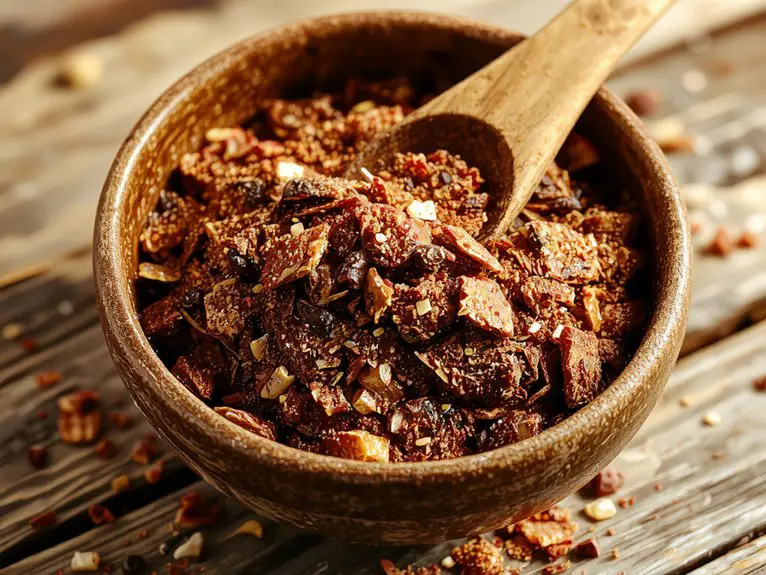
This rib rub recipe is a total game-changer—trust me, once you try it, you’ll never go back to store-bought mixes. It’s packed with bold, smoky, and slightly sweet flavors that transform your ribs into a mouthwatering masterpiece.
The secret? A perfect balance of paprika, brown sugar, garlic powder, and a hint of cayenne for a gentle kick. I’ve been perfecting this blend for years, and it’s become a staple at every BBQ I host.
Imagine this: tender, juicy ribs with a crust that’s packed with flavor, a little smoky, slightly spicy, and irresistibly caramelized.
Whether you’re a seasoned pitmaster or a weekend griller, this rub is foolproof and guaranteed to impress. Let’s get those ribs ready for the spotlight!
Ingredients
The secret to a killer rib rub lies in balancing sweet, smoky, and spicy flavors—each ingredient plays a vital role. Here’s what you’ll need to nail that perfect bark and depth of flavor, with pro tips and swaps to make it your own.
Dry Ingredients (The Foundation):
- Brown sugar (light or dark) – Caramelizes beautifully for that sticky-sweet crust. *Pro tip: Pack it tightly when measuring for consistency.*
- Paprika (smoked or sweet) – Smoked adds depth; sweet works if you prefer milder smokiness. *Non-negotiable: This is your flavor base—don’t skip!*
- Kosher salt – Unlike table salt, it disperses evenly. *Substitute: Sea salt (use 25% less by volume).*
- Black pepper (freshly ground) – Coarse grind for texture and punch. *No swaps here—pre-ground lacks intensity.*
- Garlic powder – Adds savory backbone. *Fresh garlic burns—stick with powder.*
Heat & Complexity (The Fun Part):
- Chili powder – Choose mild or hot based on preference. *Swap: Cayenne (use half the amount for more heat).*
- Mustard powder – Secret weapon for tangy depth. *Optional but highly recommended.*
- Onion powder – Rounds out the savory notes. *No fresh onions—they’ll scorch.*
Bonus Elevators (Next-Level Touches):
- Cumin – Just a pinch for earthy warmth. *Skip if you dislike its distinct flavor.*
- Cayenne – For heat lovers. *Start with ½ tsp and adjust.*
- Dried thyme or oregano – A whisper of herbiness. *Fresh herbs burn—stick with dried.*
*Little win: Mix in 1 tsp espresso powder for a rich, smoky undertone (trust us).*
Store leftovers in an airtight jar—it keeps for months!
How to Make the Best Smoky Rib Rub Recipe
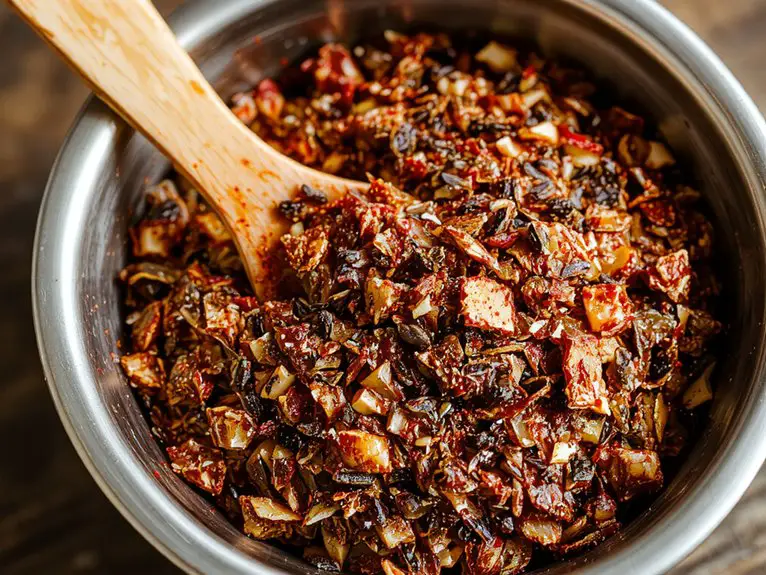
- Combine spices in a bowl: Start by gathering all your dry ingredients—brown sugar, paprika, garlic powder, onion powder, black pepper, salt, cayenne pepper, and cumin. Place them in a medium-sized mixing bowl. This promotes even distribution and prevents clumping when applied to the ribs.
- Whisk thoroughly: Use a whisk or fork to blend the spices together completely. This step is vital for guaranteeing every bite of your ribs has the same smoky, flavorful profile.
Make sure there are no visible lumps of brown sugar or spices left.
– Taste and adjust: Before applying the rub, dip a clean spoon into the mixture and taste it. If you prefer more heat, add a pinch more cayenne; if you’re after sweetness, sprinkle in a bit more brown sugar.
Personalization makes this recipe uniquely yours.
- Pat the ribs dry: Remove the ribs from their packaging and pat them dry with paper towels. This helps the rub adhere better and guarantees a crispy, flavorful crust during cooking.
- Generously coat the ribs: Sprinkle the rub evenly over both sides of the ribs, pressing it gently into the meat with your hands. Don’t be shy—this is where the magic happens!
For a deeper flavor, let the ribs sit with the rub on for at least 30 minutes (or up to overnight in the fridge).
- Cook as desired: Whether you’re smoking, grilling, or baking, follow your preferred cooking method. The rub will create a deliciously caramelized crust that’s packed with smoky, savory goodness.
- Store leftovers: If you have extra rub, transfer it to an airtight container and store it in a cool, dry place. It’ll stay fresh for up to 3 months, ready for your next rib adventure.
Pro Tip: For an extra smoky flavor, add a teaspoon of smoked paprika or a pinch of smoked sea salt to the mix. These small additions can elevate your rub to new heights!
Watch-Out Warning: Avoid applying the rub too early if you’re using a wet marinade, as the salt in the rub can draw out moisture and make the meat too salty. Stick to pairing the rub with dry cooking methods for best results.
Nutrition
This homemade rib rub recipe adds flavor without excess calories. Here’s the nutritional breakdown per serving:
Calories: 15
Total Fat: 0g
Sodium: 580mg
Total Carbohydrates: 3g
Protein: 0g
Sugars: 2g
Fiber: 1g
Chef Tips
When applying this rib rub, I always pat the meat dry first to help the seasoning stick better.
I generously coat both sides, pressing the rub into the ribs to make certain it adheres.
Letting the ribs sit for at least an hour, or overnight, enhances the flavor.
I prefer slow cooking over indirect heat to keep the meat tender and let the rub’s flavors penetrate deeply.
Frequently Asked Questions
Can I Use This Rub for Chicken or Pork?
Sure, you can use this rub for chicken or pork—it’s versatile! I’ve tried it on both, and it adds fantastic flavor. Just adjust the amount to suit your taste or the meat’s thickness. It works wonders!
How Long Does the Rub Stay Fresh?
The rub stays fresh for about six months if I store it in an airtight container, away from heat and moisture. I’d smell it first—if it’s lost aroma, I’d toss it and make more.
Can I Substitute Brown Sugar With Honey?
I wouldn’t substitute honey for brown sugar in a rib rub because it’s wet and changes the texture—it’ll clump. Brown sugar gives a dry blend that coats ribs evenly, so I’d stick with it.
Is This Rub Suitable for Grilling?
I’d say it’s perfect for grilling—the flavors deepen with heat. Just rub it on before cooking, and you’ll get a delicious crust. I’ve used it on ribs and chicken, and it always turns out great.
What’s the Best Way to Store Leftover Rub?
I keep leftover rub in an airtight container or jar, making sure it’s sealed tight. Storing it in a cool, dark place helps it stay fresh. I avoid moisture to prevent clumping or spoilage.


