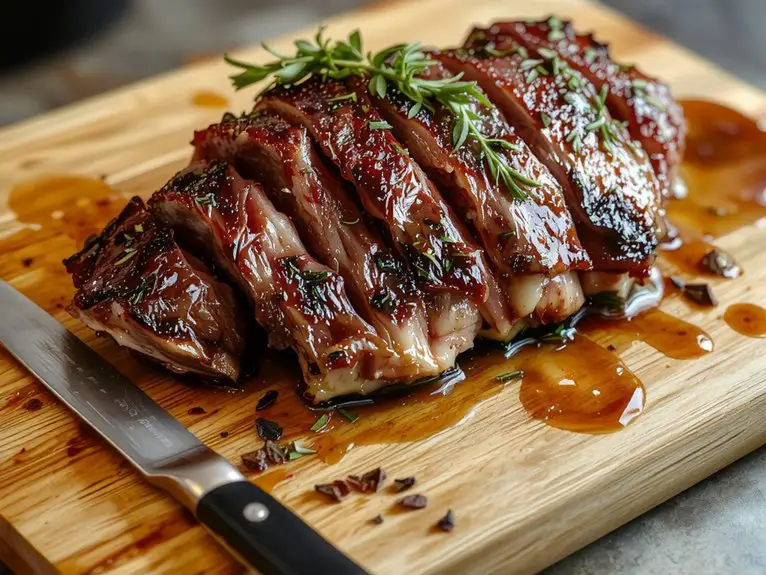
The Best Homemade Ribeye Steak Recipe
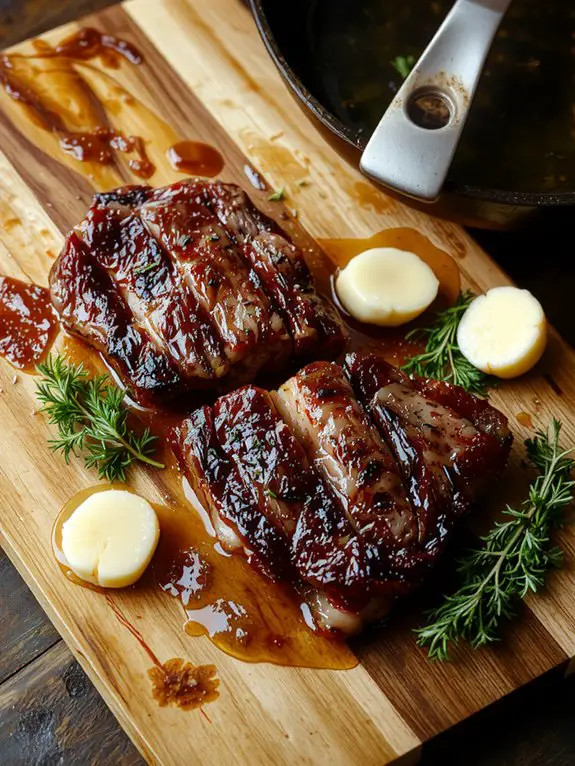
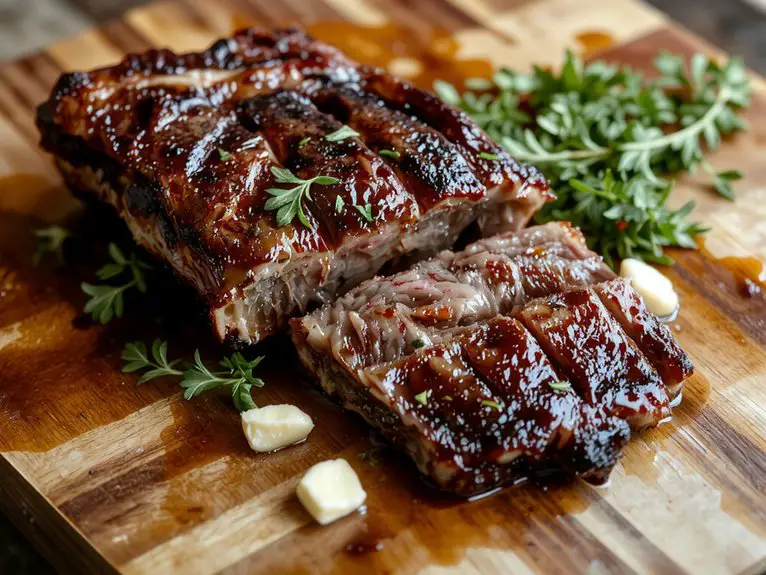
Recipe
I can confidently say this homemade ribeye steak recipe will blow your mind—it’s the juiciest, most flavorful steak you’ll ever make at home. The secret? A perfectly balanced blend of kosher salt, freshly cracked black pepper, and a hint of garlic powder to elevate the natural richness of the ribeye.
My go-to method involves searing it in a cast-iron skillet until it develops that irresistible golden crust, then finishing it in the oven for melt-in-your-mouth tenderness. The aroma alone will have your kitchen smelling like a steakhouse, and the first bite? Pure perfection—charred edges, buttery soft interior, and just the right amount of seasoning to let the beef shine.
Trust me, once you master this recipe, you’ll never go back to anything else. Let’s get cooking!
Ingredients
Ingredients:
To make a ribeye steak that’s juicy, flavorful, and perfectly seared, you’ll need a handful of simple yet essential ingredients. The right cuts and seasonings can elevate this dish from good to unforgettable, so let’s break it down.
- Ribeye Steak (1–1.5 inches thick): Opt for a well-marbled cut—those fat ribbons are key to flavor and tenderness. Grass-fed or prime grade elevates the experience, but choice-grade works well too.
- Kosher Salt: A heavy-handed sprinkle is non-negotiable for seasoning the steak properly. It enhances the natural flavors and helps create a killer crust.
- Freshly Cracked Black Pepper: Adds depth and a subtle heat. Grind it fresh for the best aroma.
- High-Smoke Point Oil (like avocado or grapeseed): Essential for getting that perfect sear without burning. Olive oil works in a pinch but isn’t ideal.
- Unsalted Butter (optional but recommended): Adds richness and helps baste the steak for extra flavor.
- Garlic Cloves (whole, lightly smashed): Tossed in with the butter for a fragrant, savory note.
- Fresh Thyme or Rosemary Sprigs: Herbaceous aromatics that infuse the steak as it cooks.
Substitutions:
No fresh herbs? Dried thyme or rosemary works, though fresh is preferred. Don’t have high-smoke point oil? Clarified butter (ghee) is another great option.
Little Wins:
A splash of Worcestershire sauce or a sprinkle of smoked paprika can add an extra layer of flavor if you’re feeling adventurous.
How to Make the Best Perfect Ribeye Technique
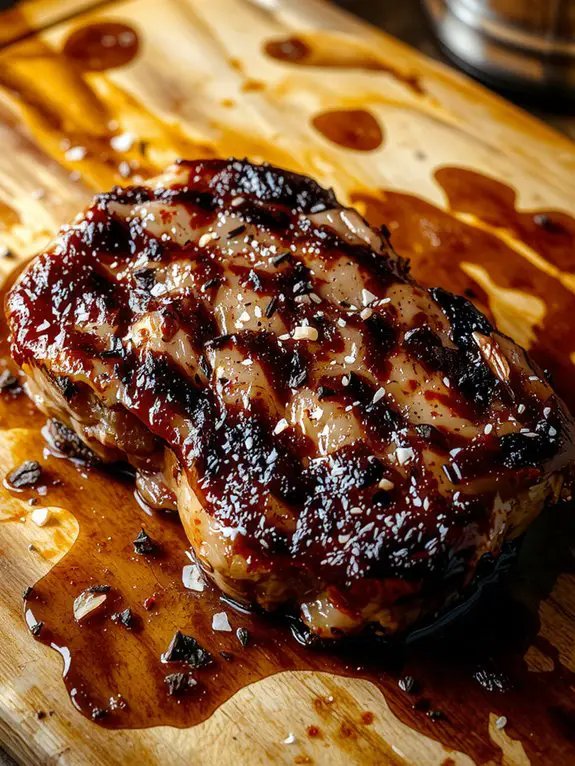
Add a high-smoke-point oil (like avocado or grapeseed oil) to the skillet and swirl to coat.
This prevents sticking and guarantees even browning.
Place the steak in the skillet and sear for 2-3 minutes on each side without moving it.
Letting it sit undisturbed allows the crust to form properly.
Add butter, garlic cloves, and fresh thyme or rosemary to the skillet during the last minute of searing.
Basting the steak with this aromatic butter infuses extra flavor.
Transfer the skillet to the preheated oven and cook for 5-7 minutes for medium-rare, or until the internal temperature reaches 130°F (54°C).
Use a meat thermometer for precision.
Remove the steak from the oven and let it rest on a cutting board for 5-10 minutes.
Resting allows the juices to redistribute, keeping the steak juicy.
Slice against the grain and serve immediately.
Cutting against the grain guarantees the steak is tender and easy to chew.
Nutrition
The Homemade Ribeye Steak Recipe offers a nutritious balance of protein, fats, and essential vitamins. Below is the breakdown of its nutritional content per serving.
| Nutrient | Amount |
|---|---|
| Calories | 679 kcal |
| Protein | 49 g |
| Total Fat | 52 g |
| Saturated Fat | 22 g |
| Cholesterol | 165 mg |
| Sodium | 120 mg |
| Iron | 4.3 mg |
| Calcium | 20 mg |
Chef Tips
While cooking a perfect ribeye might seem intimidating, I’ve found a few tricks that make it foolproof.
First, let the steak sit at room temp for 30 minutes—cold meat cooks unevenly.
Pat it dry for a better sear.
Use high heat and don’t move it until it releases naturally.
Rest it 5 minutes before slicing.
Finally, season generously with salt; it enhances flavor without overpowering.
Simple steps, big results.
Frequently Asked Questions
Can I Use Frozen Ribeye Instead of Fresh?
You can use frozen ribeye, but thaw it completely in the fridge first for even cooking. Fresh gives better texture, but frozen works in a pinch—just pat it dry well before seasoning to avoid excess moisture.
How Do I Store Leftover Cooked Ribeye?
I’d store leftover cooked ribeye in an airtight container or wrap it tightly in foil or plastic wrap. Keep it in the fridge for up to 3 days or freeze it for longer storage. Reheat gently to avoid drying it out.
What Sides Pair Best With Ribeye Steak?
I’d suggest pairing ribeye with creamy mashed potatoes, roasted asparagus, or garlic butter mushrooms. A crisp Caesar salad or crispy Brussels sprouts also complement its richness perfectly. Don’t forget a crusty bread roll for soaking up juices!
Can I Substitute Ribeye With Another Cut of Beef?
Absolutely, I can substitute ribeye with another cut of beef. I’d consider using a New York strip or filet mignon; they’re flavorful and tender, though I’ll adjust cooking time to match the thickness and marbling difference.
How Long Does It Take to Cook Ribeye on a Grill?
I grill a ribeye for about 4-5 minutes per side over high heat for medium-rare, flipping it only once. For medium, I cook it 6-7 minutes per side. I always check with a meat thermometer for accuracy.