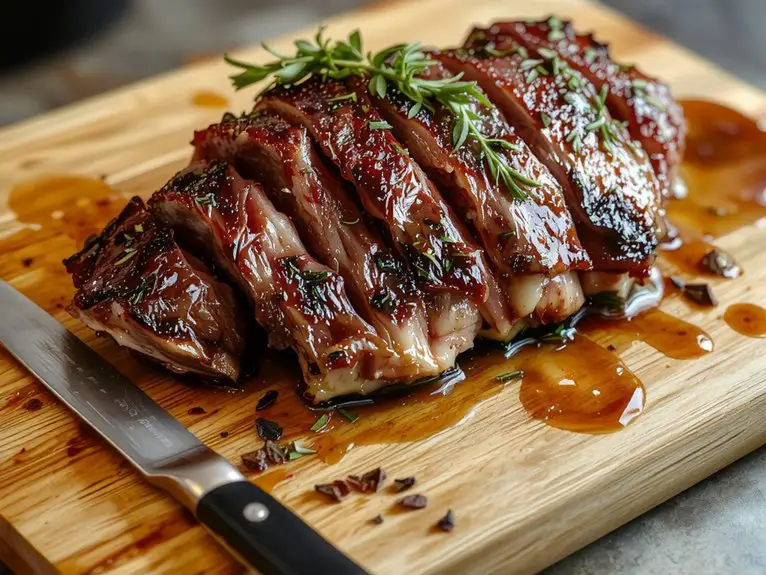
The Best Homemade Rump Roast Recipe
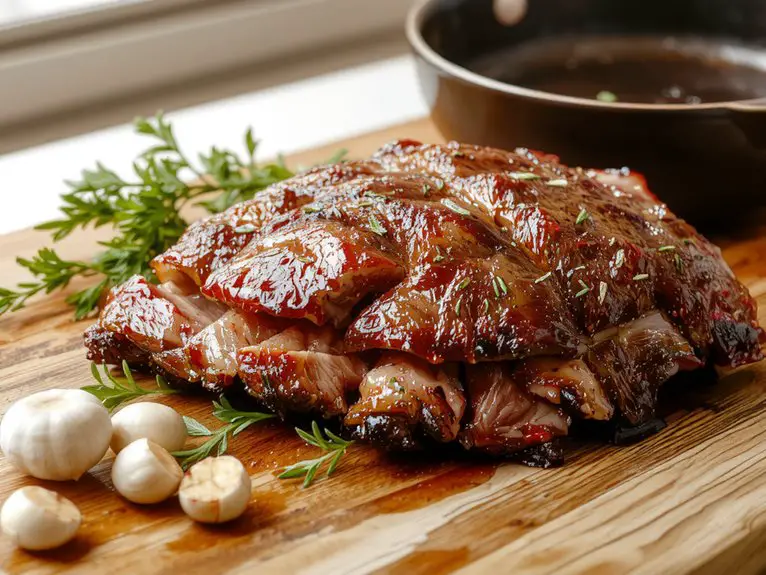
Recipe
Once you try this homemade rump roast recipe, you’ll swear off restaurant versions forever—it’s *that* good. The secret? A perfect blend of savory herbs, slow-roasted tenderness, and a rich, deeply flavorful gravy that’ll have everyone asking for seconds.
I’ve made this dish countless times for family gatherings, and it’s always the star of the table. Imagine this: juicy, melt-in-your-mouth beef with a crisp, caramelized crust, paired with velvety gravy that’s the ultimate comfort food hug.
Whether you’re hosting a dinner party or just craving something cozy, this recipe is foolproof and guaranteed to impress.
Trust me, your kitchen will smell like a chef’s dream, and your taste buds will thank you. Let’s get roasting!
Ingredients
When it comes to a standout rump roast, the ingredients are key—they transform a simple cut of beef into a melt-in-your-mouth masterpiece. Here’s what you’ll need to nail this classic dish, along with some chef-approved tips and swaps to make it your own.
- Rump roast (3–4 pounds): Opt for a well-marbled piece for maximum flavor and tenderness. If unavailable, chuck roast or bottom round are solid substitutes.
- Olive oil (2 tablespoons): Helps create a gorgeous crust during searing—don’t skip it!
- Kosher salt (1 tablespoon): Essential for seasoning; it enhances the beef’s natural flavor.
- Black pepper (1 teaspoon): Freshly cracked is best—its aroma makes a difference.
- Garlic cloves (4–6, minced): Fresh garlic adds depth; jarred is fine, but fresh is worth the effort.
- Fresh rosemary (1 tablespoon, chopped): Brightens the dish with earthy notes. Dried rosemary works in a pinch—use half the amount.
- Thyme (1 teaspoon, dried): Adds a subtle herbal complexity. Fresh thyme sprigs are even better.
- Onion (1 large, sliced): Caramelizes beautifully, adding sweetness to the dish.
- Beef broth (2 cups): Creates a rich base for braising. Low-sodium is ideal for better control over seasoning.
- Red wine (1 cup): Adds depth and acidity. Swap with additional broth or a splash of balsamic vinegar if preferred.
- Carrots (3–4, chopped): Sweetens the braising liquid. Opt for thicker cuts to prevent mushiness.
- Celery stalks (2, chopped): Adds earthy undertones. Swap with fennel for a unique twist.
- Bay leaves (2): A non-negotiable for aromatic depth—remove before serving.
- Optional: Mushrooms (1 cup, sliced): Elevates the dish with umami richness. Cremini or shiitake work beautifully.
- Optional: Potatoes (2–3, cubed): Turns this into a hearty one-pot meal.
Pro Tip: For an extra flavor boost, deglaze the pan with the broth and wine—those browned bits are pure gold.
Fresh herbs and a splash of acidity (like wine) are the secret weapons that take this dish from good to unforgettable.
How to Make the Best Juicy Rump Roast Recipe
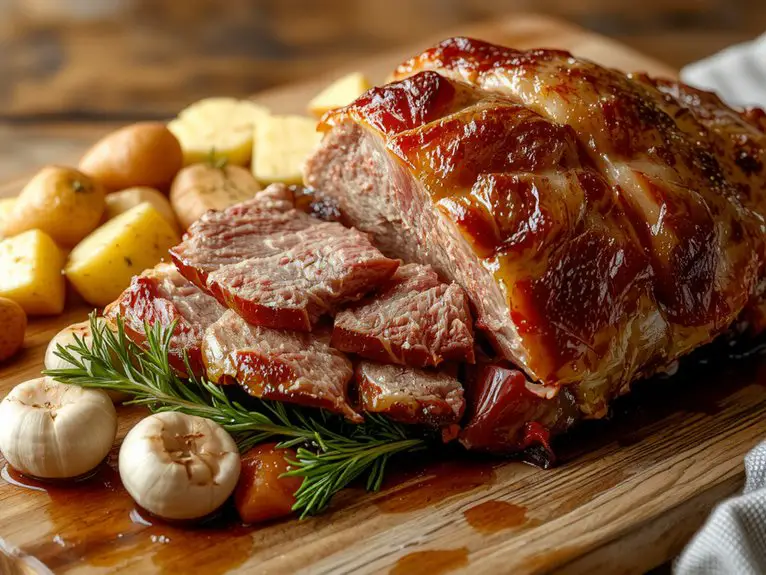
Cover the pan loosely with aluminum foil or a lid. This traps moisture and heat, ensuring the roast stays tender.
Roast in the oven for 2–3 hours, depending on the size of the roast. Check for doneness with a meat thermometer—135°F (57°C) for medium-rare or 145°F (63°C) for medium.
Let the roast rest for 15–20 minutes before slicing. This allows the juices to redistribute, making every bite succulent. Tent it loosely with foil to keep it warm.
Slice against the grain for maximum tenderness. Cutting this way shortens the muscle fibers, making the meat easier to chew.
Serve with pan juices or make a quick gravy. Skim off any excess fat, then reduce the liquid on the stovetop or thicken with a cornstarch slurry for a rich sauce.
Pro Tip: If you’re short on time, use a slow cooker on low for 8 hours instead of oven roasting. This method yields a similarly tender result with minimal hands-on effort.
Watch-Out Warning: Avoid overcooking the roast, as rump meat can become tough if cooked past medium doneness. Use a meat thermometer to hit the perfect temperature.
Flexibility: Feel free to customize with your favorite spices, vegetables, or liquids like red wine or Worcestershire sauce for a flavor boost.
Adjust cooking times slightly based on your roast’s size and your oven’s accuracy.
Nutrition
This homemade rump roast recipe provides a hearty and flavorful meal. Below is the nutritional information per serving.
| Nutrient | Amount per Serving |
|---|---|
| Calories | 350 kcal |
| Protein | 36 g |
| Fat | 21 g |
| Carbohydrates | 2 g |
| Sodium | 450 mg |
Chef Tips
Cooking a rump roast doesn’t have to be intimidating if you keep a few simple tips in mind. First, I always let it come to room temperature before cooking for even doneness.
Season generously with salt, pepper, and herbs—don’t skimp! I sear it first to lock in juices, then roast low and slow.
Rest it for 15 minutes before slicing against the grain for tenderness.
Frequently Asked Questions
Can I Cook Rump Roast in a Slow Cooker?
Yes, you can cook rump roast in a slow cooker. I’d season it well, add some broth or water, and cook it on low for 8-10 hours. It’ll turn out tender and flavorful every time.
What’s the Difference Between Rump Roast and Chuck Roast?
I know rump roast comes from the hindquarters and tends to be leaner, while chuck roast is from the shoulder and has more marbling, making it richer and juicier. Both are great, but they cook differently.
How Long Does Leftover Rump Roast Last in the Fridge?
Leftover rump roast lasts 3–4 days in the fridge if stored properly in an airtight container. I always check for off smells or sliminess before eating—when in doubt, I toss it to stay safe.
Can I Substitute Rump Roast With Another Cut?
I can substitute rump roast with chuck roast or bottom round—they’re both great for slow cooking. If I need something leaner, sirloin tip works, but I’ll watch it closely since it cooks faster.
Is Rump Roast Gluten-Free?
I’d say rump roast is naturally gluten-free since it’s just beef. But I’d check any seasonings or marinades you use—some contain gluten. Always read labels if you’re unsure or need to avoid gluten completely.