The Best Homemade Salmon Recipe
Recipe
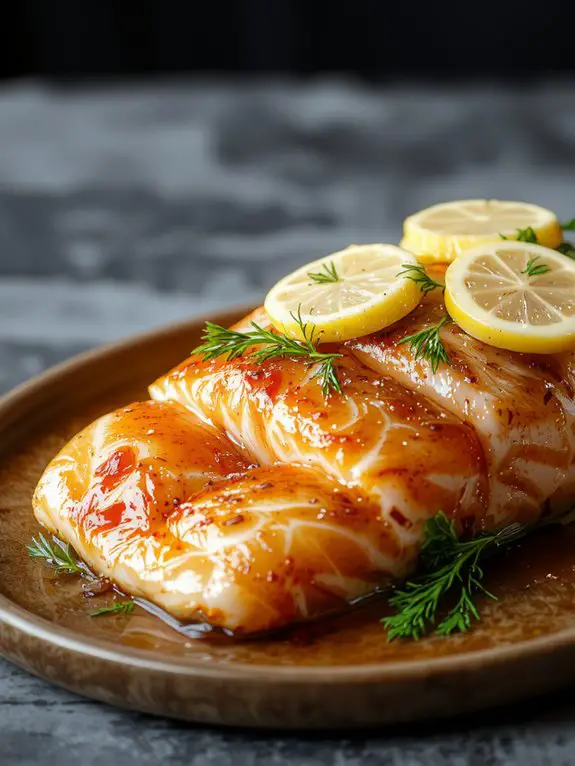
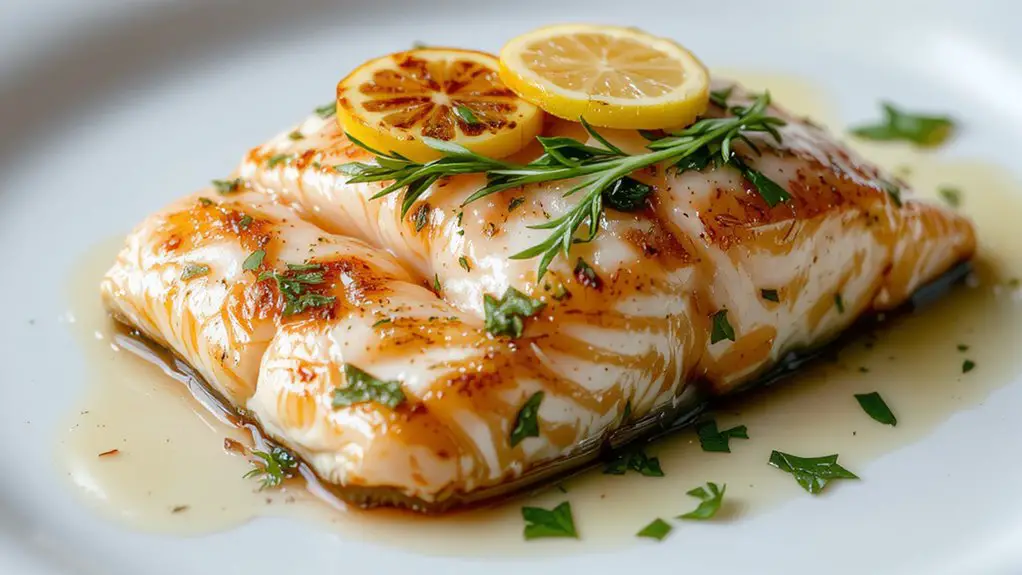
This homemade salmon recipe is an absolute game-changer, and I’ll bet my favorite apron it’ll become your new go-to. What makes it special? A simple yet genius marinade that transforms the fish into a melt-in-your-mouth masterpiece, with just the right balance of sweet, savory, and smoky.
Every bite is a harmony of tender, flaky salmon with a crispy, caramelized crust that’ll have you reaching for seconds. I’ve been making this for years—whether for a fancy dinner party or a quick weeknight meal—and it never fails to impress.
Trust me, once you try this, you’ll never look at salmon the same way again. Let’s get cooking!
Ingredients
For this homemade salmon recipe, the right ingredients make all the difference. Freshness is key—especially with the salmon—and a few pantry staples will bring out its natural richness. Here’s what you’ll need:
– Fresh salmon fillets (skin-on or skinless): Opt for wild-caught salmon if available; its flavor is deeper and richer than farmed varieties.
Pro tip: Pat the fillets dry with paper towels before cooking to guarantee a perfect sear.
- Olive oil or avocado oil: A high-quality oil with a high smoke point is essential for achieving a crispy exterior without burning.
- Garlic cloves (minced): Fresh garlic adds a punch of flavor. Pre-minced garlic works in a pinch, but fresh is worth the effort.
- Lemon (juice and zest): Fresh lemon zest brightens the dish and balances the richness of the salmon.
Non-negotiable: Always zest before juicing—it’s easier and secures you get the most flavor.
- Fresh herbs (dill, parsley, or thyme): Dill pairs beautifully with salmon, but parsley or thyme can be used as substitutes. Fresh herbs make a noticeable difference, so avoid dried if possible.
- Butter: A small amount of butter added toward the end of cooking creates a luxurious, silky finish.
- Salt and freshly ground black pepper: Season generously—salmon can handle bold flavors.
Optional extras:
Blood orange slices for garnish (adds a pop of color and a subtle sweetness).
A sprinkle of smoked paprika for a hint of smokiness.
Substitutions: If you’re out of fresh herbs, a pinch of dried dill or thyme will work, though fresh is preferred.
How to Make the Best Pan-Seared Lemon Herb Salmon
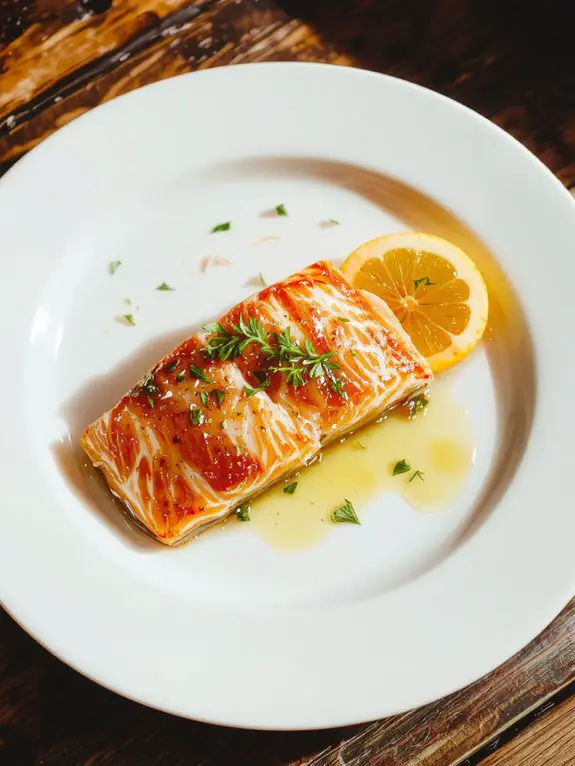
- Add butter, lemon slices, and herbs to the pan.
- Tilt the skillet and spoon the melted butter over the salmon for extra flavor infusion.
- Check doneness—the salmon should flake easily with a fork but still look slightly translucent in the center (it’ll keep cooking off-heat).
- Overcooked salmon turns dry!
- Rest for 2 minutes before serving.
- This lets the juices redistribute.
- Squeeze fresh lemon over the top for brightness.
Pro Tip: For skinless fillets, start with the presentation side (the prettier one) down first—it’ll get the best sear.
Watch Out: Avoid moving the salmon too early.
– Let the crust form, or it’ll tear apart.
Flexibility: Thicker fillets?
- Add 1-2 minutes per side.
- Prefer well-done?
- Reduce heat slightly to avoid burning.
Nutrition
Salmon is a nutrient-rich fish, providing essential vitamins and healthy fats. Here is the nutritional breakdown per serving:
| Nutrient | Amount |
|---|---|
| Calories | 367 kcal |
| Protein | 39g |
| Total Fat | 23g |
| Saturated Fat | 4g |
| Cholesterol | 94mg |
| Sodium | 77mg |
| Potassium | 598mg |
| Total Carbohydrate | 0g |
| Fiber | 0g |
| Sugar | 0g |
| Vitamin D | 15.6µg |
| Calcium | 22mg |
| Iron | 1.2mg |
Chef Tips
When preparing salmon at home, it’s important to guarantee the fish is as fresh as possible—I always look for firm, bright flesh and a clean, oceanic smell.
Sharp knife skills secure clean cuts, preventing the fish from tearing.
For seasoning techniques, I let simplicity shine: salt, pepper, and a squeeze of lemon elevate the natural flavor. Don’t overcomplicate it—less is often more.
Frequently Asked Questions
What Type of Salmon Is Best for This Recipe?
I’d go for wild-caught salmon varieties like sockeye or king; they’ve got richer flavor and firmer texture that’s perfect for cooking. When it comes to salmon selection, freshness matters most, so I always check for bright color and clean smell.
Can I Use Frozen Salmon Instead of Fresh?
Yes, you can use frozen salmon if it’s high in frozen quality. Just guarantee proper salmon thawing by placing it in the fridge overnight or using cold water. This helps maintain its texture and flavor when cooked.
How Long Can I Store Cooked Salmon in the Fridge?
I can store cooked salmon in the fridge for up to three to four days. Proper salmon storage is key—I’ll keep it in an airtight container to maintain freshness and follow the fridge duration guidelines carefully.
What Sides Pair Well With This Salmon Dish?
I’d pair rice pilaf with this salmon—it’s fluffy and complements its richness. Grilled asparagus adds a fresh, smoky crunch that balances the meal. You’ll find they’re simple sides that make it feel complete.
Can I Substitute the Herbs in the Recipe?
Yes, I can substitute the herbs in the recipe. I’d experiment with herb alternatives like dill, parsley, or cilantro, or use seasoning swaps such as lemon zest, garlic powder, or paprika to complement the salmon’s flavor.


