The Best Homemade Scallops Recipe
Recipe
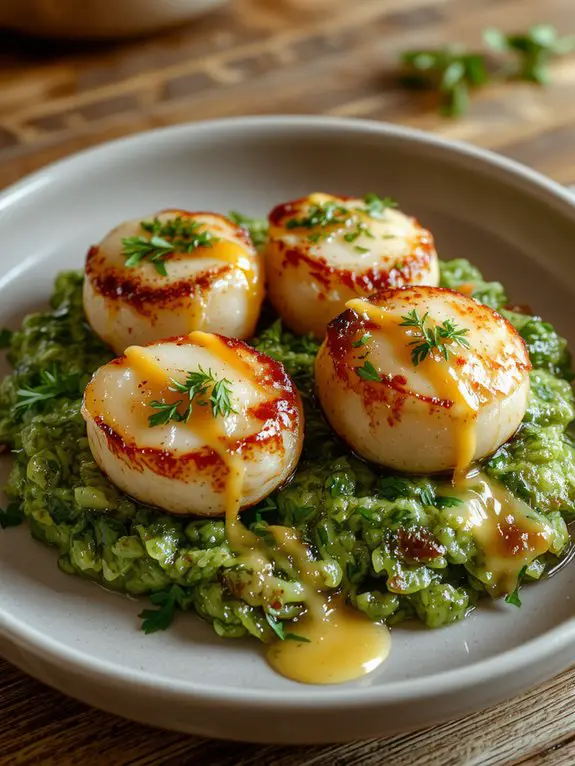
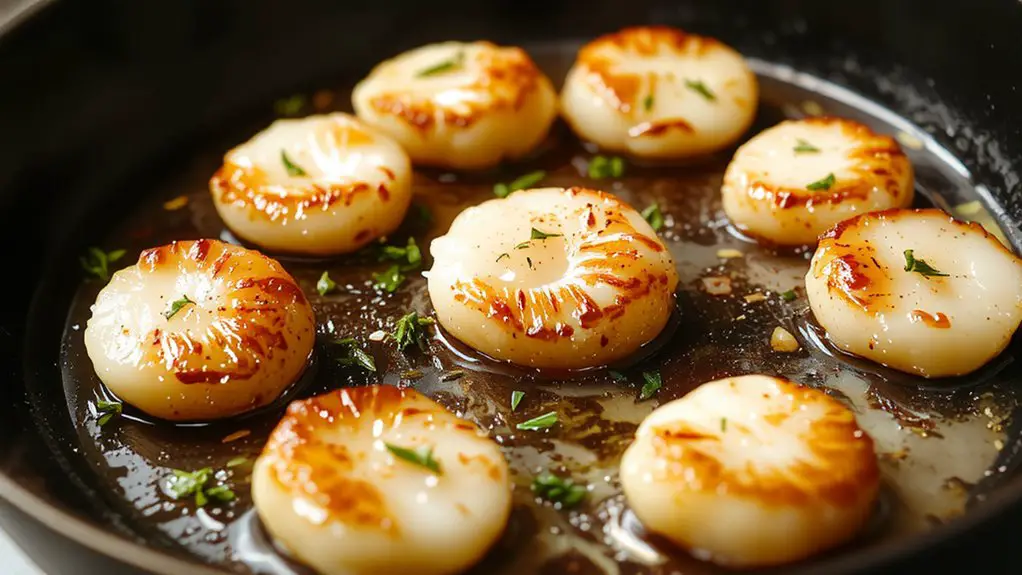
If you’ve ever hesitated to cook scallops at home, this recipe will change everything. Trust me, once you nail this method, you’ll wonder why you ever saved them for restaurant outings. The secret? A hot pan, a pinch of patience, and a simple yet standout technique that lets the scallops’ natural sweetness shine.
I’ve made this dish countless times for friends and family, and it’s always met with awe—crisp, golden edges giving way to a tender, buttery center that melts in your mouth.
What makes it special is the balance: a quick sear locks in flavor, while a splash of lemon and a sprinkle of fresh herbs add brightness without overpowering. Whether you’re cooking for a special occasion or just treating yourself, these scallops feel luxurious yet are surprisingly easy to master. You’ve got this!
Ingredients
Scallops are a delicacy that require just a few high-quality ingredients to shine. Freshness is key, especially with seafood, so always aim for the best you can find. Here’s what you’ll need to create a restaurant-worthy dish at home:
For the Scallops:
- Large sea scallops (10-12 count): Fresh, dry-packed scallops are a must—they caramelize beautifully without releasing excess water. Avoid wet-packed ones, as they won’t sear properly.
- Kosher salt: Enhances the natural sweetness of the scallops.
- Freshly ground black pepper: Adds a subtle warmth and depth of flavor.
For the Cooking Process:
- High smoke point oil (like grapeseed or avocado oil): Essential for achieving that golden crust without burning. Olive oil can work in a pinch, but it’s not ideal for high-heat searing.
- Unsalted butter: Adds richness and helps create a luscious, pan-seared finish.
For the Sauce (Optional but Worth It):
- Dry white wine (like Sauvignon Blanc or Pinot Grigio): Adds acidity and complexity. Sub with chicken or vegetable stock if preferred.
- Garlic (minced): A flavor powerhouse that complements the scallops perfectly.
- Fresh herbs (like parsley or chives): Adds brightness and a pop of color.
Pro Tip:
Pat the scallops *completely dry* with paper towels before cooking—this guarantees they’ll sear, not steam.
Elevate It:
A squeeze of fresh lemon juice or a sprinkle of lemon zest at the end can take the dish to the next level.
Serve with a simple green salad or garlic mashed potatoes for a complete meal.
How to Make the Best Perfect Pan-Seared Scallops
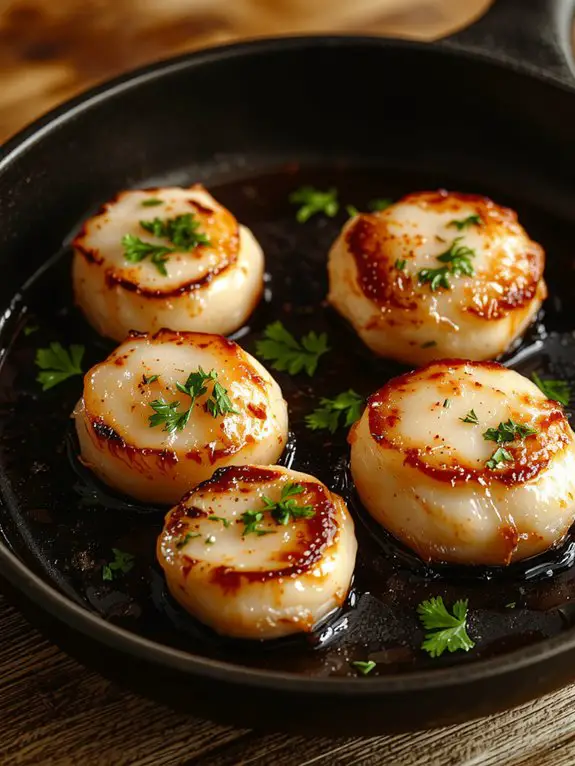
Flip once the edges are golden brown and the scallops release easily from the pan. This guarantees even cooking and avoids tearing.
Baste with butter (optional) in the last 30 seconds of cooking for added richness. Tilt the pan and spoon the melted butter over the scallops.
Remove from heat when the scallops are opaque and slightly firm to the touch. Overcooking makes them rubbery.
Rest for a minute before serving. This lets the juices redistribute for maximum flavor.
Pro Tip: Use a non-stick or well-seasoned cast iron skillet for easy flipping.
Watch Out: Avoid rinsing scallops under water before cooking—they’ll absorb moisture and won’t sear properly.
Flexibility: For larger or smaller scallops, adjust cooking time by 30 seconds as needed.
Nutrition
Scallops are a nutritious seafood option, packed with essential vitamins and minerals. Here’s a breakdown of their nutritional content per serving (approximately 100g):
| Nutrient | Amount |
|---|---|
| Calories | 90 kcal |
| Protein | 17 g |
| Fat | 0.5 g |
| Carbohydrates | 3 g |
| Cholesterol | 35 mg |
| Sodium | 200 mg |
| Potassium | 205 mg |
| Vitamin B12 | 1.4 µg |
| Magnesium | 29 mg |
| Selenium | 24.7 µg |
Chef Tips
When you’re cooking scallops, you must pat them completely dry before searing—any excess moisture will stop that perfect golden crust from forming. I always use a hot pan and avoid overcrowding to guarantee even cooking.
Season lightly with salt and pepper just before cooking. For a restaurant-quality finish, add a splash of butter and lemon juice during the final moments.
Don’t overcook—they’re done in minutes!
Frequently Asked Questions
Can I Use Frozen Scallops Instead of Fresh?
Yes, you can use frozen scallops, but I’d thaw them first for even cooking. Pat them dry before searing to avoid excess moisture. They won’t be quite as tender as fresh, but they’ll still taste great.
How Do I Know if Scallops Have Gone Bad?
I check scallops for a strong, sour, or ammonia-like smell—that’s a sign they’ve gone bad. If they’re slimy, discolored, or have a mushy texture, I’ll toss ‘em. Fresh ones smell clean and feel firm.
What’s the Best Way to Store Leftover Scallops?
I store leftover scallops in an airtight container in the fridge for up to two days. If I won’t eat them soon, I freeze them in a sealed bag—they’ll last a few months that way.
Can I Cook Scallops in an Air Fryer?
Yes, I can cook scallops in an air fryer. I’ll pat them dry, season lightly, and air fry at 400°F for about 6-8 minutes, flipping halfway. They’ll turn out tender and golden without needing much oil.
Are Scallops Safe to Eat Raw?
I’d say scallops can be safe to eat raw if they’re sushi-grade and handled properly. I always check they’re super fresh and sourced from trusted suppliers, but I’d still be cautious if I’m unsure.


