The Best Homemade Seafood Boil Recipe
Recipe
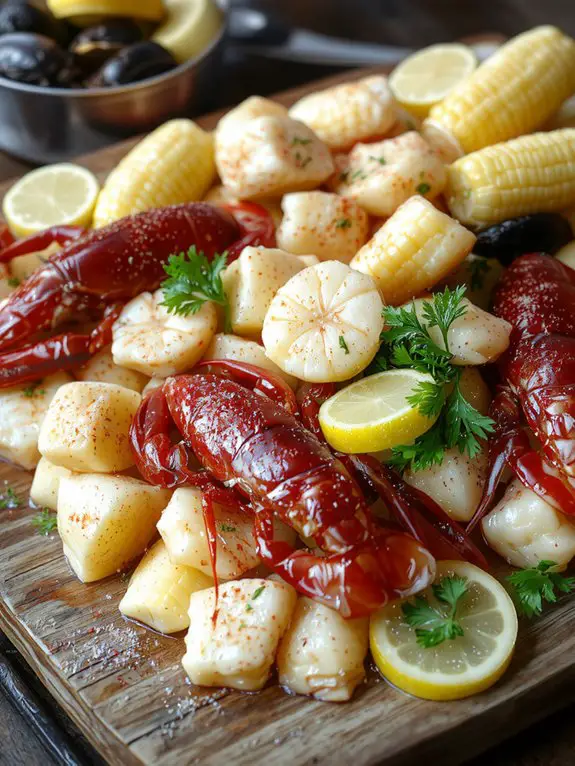
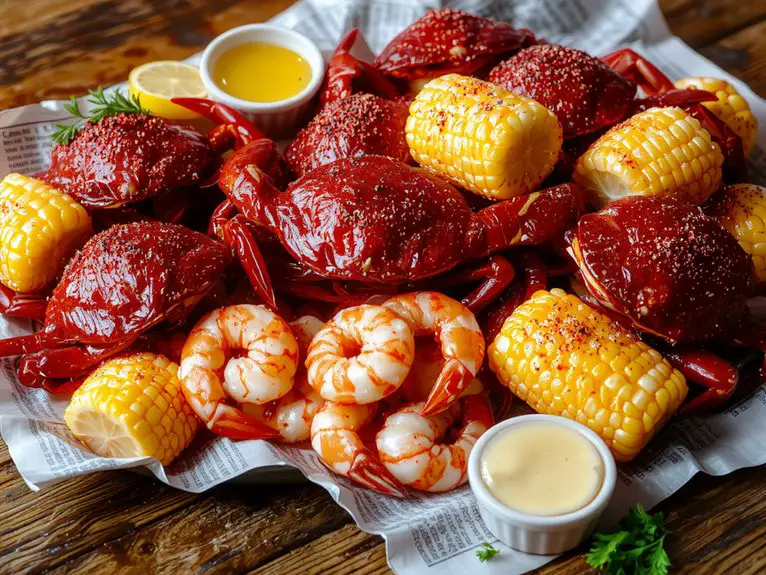
There’s something magical about a seafood boil—the way the briny aroma fills the air, the vibrant colors of shrimp, crab, and corn piled high, and that first buttery, spicy bite that makes you close your eyes and savor it.
This recipe? It’s the one I swear by—the kind that turns any dinner into a celebration. The secret? A killer Cajun-spiced broth that clings to every bite, fresh seafood cooked just until tender, and a generous squeeze of lemon to brighten it all up.
Whether you’re feeding a crowd or just treating yourself, this boil is messy, indulgent, and absolutely worth every buttery finger-licking moment. Trust me, once you try it, you’ll be hooked.
Ingredients
The foundation of a great seafood boil lies in the quality and balance of ingredients. Fresh seafood is non-negotiable, but the supporting cast of spices, aromatics, and extras plays a starring role in building those deep, layered flavors. Here’s what you’ll need to create a boil that’s bursting with flavor:
Seafood (the star of the show):
- Shrimp (large, shell-on) – Keeps the meat juicy and infuses the broth with flavor.
- Crab legs (snow or king) – Look for pre-cooked, frozen, and thaw before use.
- Mussels or clams – Adds briny depth; verify they’re closed when raw (discard any that don’t open after cooking).
- Lobster tails – Optional but indulgent; split them in half for even cooking.
Aromatics & Spices (the flavor backbone):
- Old Bay seasoning – A seafood boil classic; you’ll need at least 1/4 cup.
- Cajun seasoning – Adds heat and smokiness; adjust to your spice tolerance.
- Garlic (whole heads) – Halved to release maximum flavor.
- Onions (quartered) – Adds sweetness to balance the spice.
- Lemons (halved) – Bright acidity cuts through richness; squeeze halves into the boil.
- Bay leaves – A subtle herbal note; don’t skip them.
Vegetables (for heartiness and balance):
- Corn on the cob – Cut into thirds; absorbs the broth’s flavor beautifully.
- Red potatoes (halved or quartered) – Small, firm varieties like baby reds are ideal.
- Andouille sausage – Optional but adds smokiness; slice into 1-inch pieces.
Liquid (the base):
- Beer or chicken stock – Beer adds malty depth, while stock keeps it classic.
- Butter (unsalted) – At least 1/2 cup melted into the broth for richness.
Extras (to elevate):
- Hot sauce – Add a splash for extra heat.
- Fresh parsley or cilantro – Chopped for garnish and brightness.
- Cocktail sauce or garlic butter – For dipping and extra indulgence.
Pro Tips:
- Use seafood that’s fresh but not overly delicate to withstand the boil’s heat.
- Don’t skimp on spices—they’re essential for that iconic flavor.
- Add ingredients in stages: potatoes first, then corn and sausage, and seafood last to avoid overcooking.
- Swap in smoked paprika if Cajun seasoning isn’t your thing, or use vegetable broth for a lighter option.
How to Make the Best Classic Cajun Seafood Boil
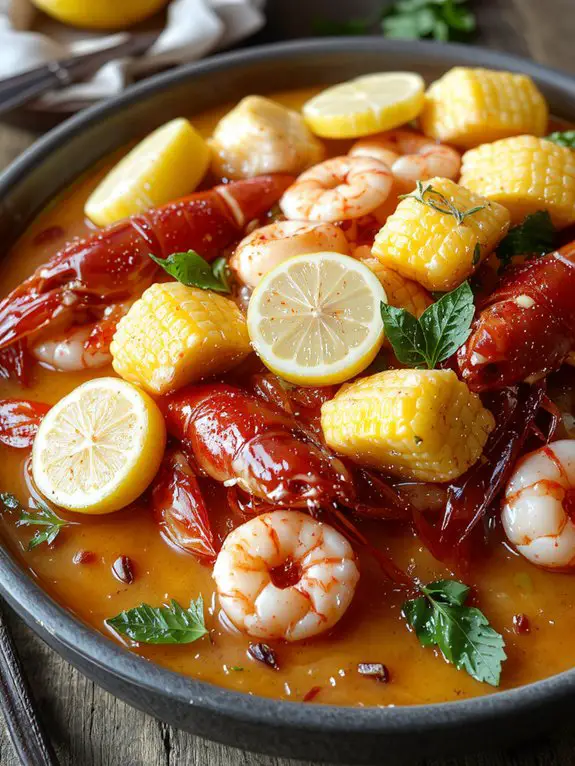
– Drain and spread on a table or tray – Use newspaper or a large platter for a traditional Cajun-style presentation.
*Flexibility:* If you prefer less mess, serve in bowls with broth on the side.
– Sprinkle with extra seasoning and lemon juice – Adjust flavor to taste right before serving.
*Pro Tip:* Melted butter for dipping takes it to the next level.
– Serve immediately – Seafood boils are best enjoyed hot and fresh.
*Watch Out:* Letting it sit too long can make shellfish dry out.
Nutrition
This seafood boil is packed with protein and essential nutrients. Here’s the nutritional breakdown per serving.
| Nutrient | Amount per Serving |
|---|---|
| Calories | 450 kcal |
| Protein | 35g |
| Fat | 18g |
| Carbohydrates | 30g |
| Fiber | 5g |
| Sodium | 1200mg |
| Cholesterol | 180mg |
Chef Tips
Mastering a seafood boil isn’t just about ingredients—it’s about technique. I always start by boiling the larger, hardier items like potatoes and corn first, adding seafood last to avoid overcooking.
I use a timer for precision—shrimp only need 2-3 minutes. Season generously, but don’t drown the flavors.
Ice down the seafood immediately after cooking to keep it tender. Serve it family-style for that authentic, communal vibe.
Frequently Asked Questions
Can I Use Frozen Seafood for the Boil?
Yes, I use frozen seafood all the time—just thaw it first so it cooks evenly. I find shrimp, crab legs, and mussels work great, but I avoid overcooking since they can get rubbery if left in too long.
How Do I Store Leftover Seafood Boil?
I store leftover seafood boil in an airtight container and refrigerate it for up to two days. I reheat it gently to avoid overcooking, but I’m careful to discard it if it smells or looks off.
What Sides Pair Well With a Seafood Boil?
I’d serve corn on the cob, garlic bread, or roasted potatoes with a seafood boil. Coleslaw or a crisp green salad adds freshness, and I sometimes throw in boiled eggs or sausage for extra heartiness.
Can I Make This Recipe Gluten-Free?
Yes, you can make this recipe gluten-free. I’d skip any pre-made seasoning blends and check labels carefully. Use gluten-free sausage and verify your broth or stock is certified gluten-free. It’s easy to adapt!
How Do I Adjust the Spice Level for Kids?
I’d cut back on cayenne or hot sauce and skip the extra chili flakes. You can always add more spice to individual servings later, but it’s harder to tone it down once it’s too hot for them.


