The Best Homemade Snickerdoodle Cookie Recipe
Recipe
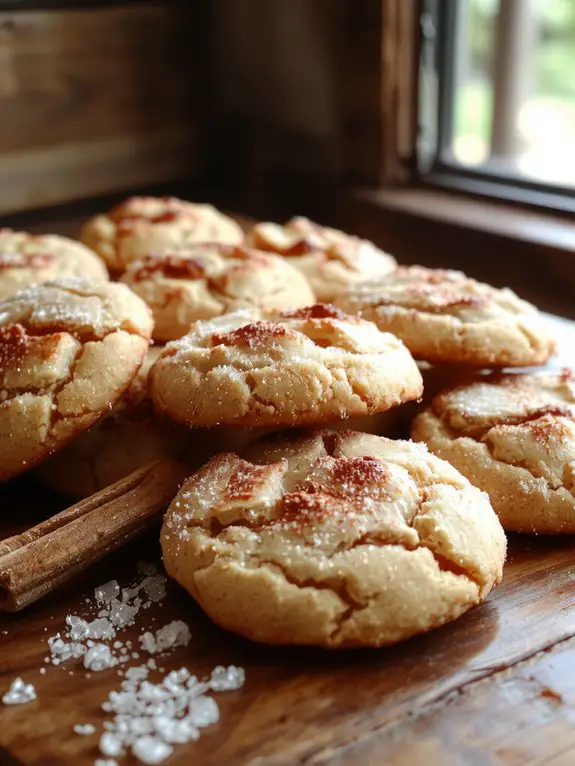
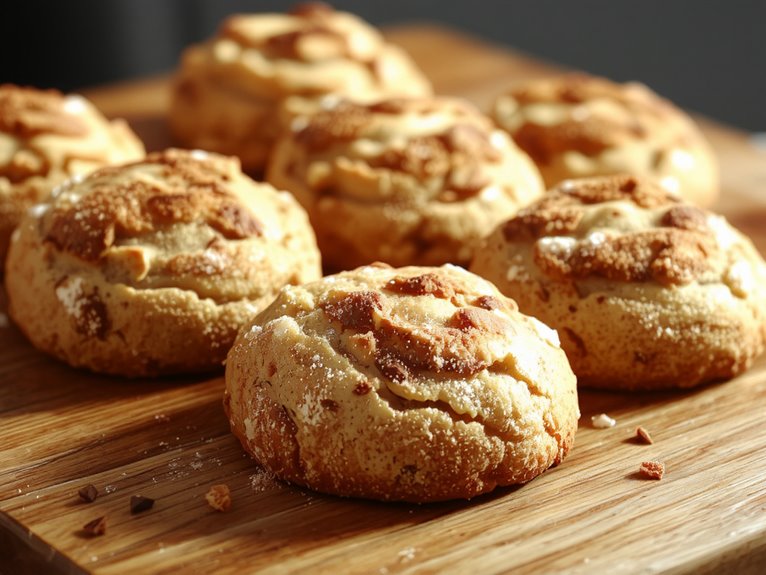
There’s something magical about a snickerdoodle—that perfect balance of soft, chewy center and crisp, cinnamon-sugar edges that makes it impossible to eat just one. This recipe? It’s the kind of cookie that disappears fast, whether you’re baking for a crowd or just treating yourself.
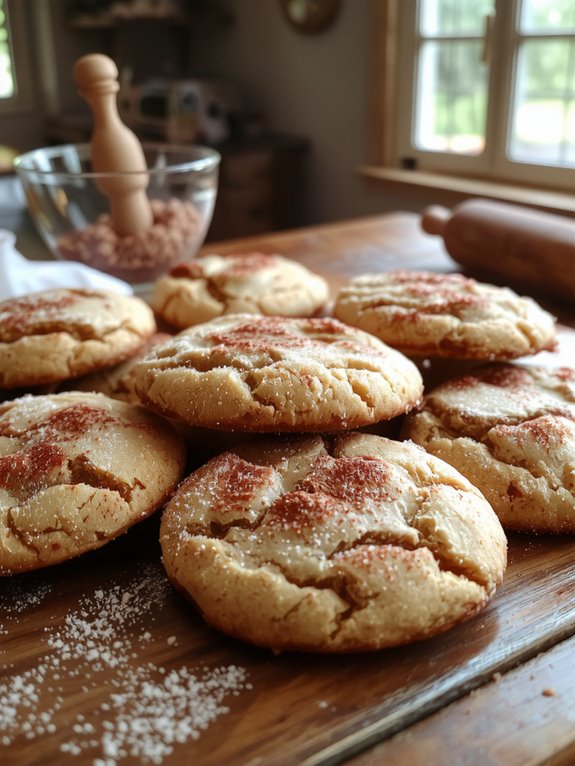
The secret? A touch of cream of tartar for that signature tangy snap and just enough butter to make them melt-in-your-mouth tender. Rolled in cinnamon sugar, they bake up with that irresistible crackly top and a warm, cozy aroma that’ll have everyone hovering around the oven.
Trust me, once you try these, you’ll understand why they’re a classic—simple ingredients, big flavor, and that nostalgic, buttery sweetness you can’t resist. Let’s bake a batch that’ll make your kitchen smell like pure happiness.
Ingredients
When it comes to snickerdoodles, the magic is in the simplicity of the ingredients. Each one plays a vital role in creating that soft, chewy, and slightly tangy cookie we all love. Here’s the breakdown of what you’ll need and why it matters:
- Unsalted butter (1 cup, softened): The base of any good snickerdoodle. Using softened butter guarantees the dough is creamy and easy to mix. Go for unsalted to control the saltiness of your cookies.
- Granulated sugar (1 ½ cups): Essential for sweetness and that classic crackly texture on the outside.
- Eggs (2 large): Acts as a binder, giving the cookies structure and moisture.
- Vanilla extract (1 tsp): Adds depth of flavor. For a twist, try almond extract for a nutty undertone.
- All-purpose flour (2 ¾ cups): The backbone of the dough. Sift it for a lighter texture.
- Cream of tartar (2 tsp): The secret ingredient that gives snickerdoodles their signature tangy flavor and chewy texture. Don’t skip this!
- Baking soda (1 tsp): Works with the cream of tartar to help the cookies rise and spread just enough.
- Salt (½ tsp): Balances the sweetness and enhances all the flavors.
- Cinnamon sugar coating (¼ cup granulated sugar + 1 tbsp ground cinnamon): The finishing touch that gives snickerdoodles their iconic crispy, spiced exterior.
Pro Tip: For an extra flavorful dough, let it chill for at least 30 minutes before baking. This prevents the cookies from spreading too much and deepens the flavors.
Substitutions: Don’t have cream of tartar? Use 2 tsp of white vinegar mixed into the wet ingredients for a similar tangy effect.
Little Wins: Add a pinch of nutmeg to the cinnamon sugar coating for a warm, spiced twist that takes these cookies to the next level.
How to Make the Best Classic Snickerdoodle Recipe Title
– Add the eggs one at a time, mixing well after each addition.
This guarantees the eggs are fully incorporated without overmixing the dough.
– Mix in the vanilla extract for that classic snickerdoodle flavor.
If you’re feeling adventurous, a pinch of almond extract can add a subtle depth.
– In a separate bowl, whisk together the dry ingredients: flour, cream of tartar, baking soda, and salt.
Sifting the dry ingredients helps prevent lumps and secures even distribution of leavening agents.
– Gradually add the dry ingredients to the wet mixture, mixing just until combined.
Overmixing can lead to tough cookies, so stop as soon as no streaks of flour remain.
– Chill the dough for 30 minutes if time allows.
This helps firm up the dough, making it easier to roll and preventing the cookies from spreading too much in the oven.
– Combine sugar and cinnamon in a small bowl for the coating.
Rolling the dough balls in this mixture gives snickerdoodles their signature sweet and spicy crust.
– Scoop and roll the dough into 1-inch balls, then coat them evenly in the cinnamon-sugar mixture.
For uniform cookies, use a cookie scoop or measure with a tablespoon.
– Place the dough balls on the prepared baking sheets, spacing them about 2 inches apart.
This allows room for the cookies to spread without merging.
– Bake for 8-10 minutes, or until the edges are lightly golden but the centers are still soft.
The cookies will continue to set as they cool, so avoid overbaking.
– Let the cookies cool on the baking sheet for 5 minutes before transferring them to a wire rack.
This helps them firm up without becoming too fragile.
– Store in an airtight container at room temperature for up to a week.
For longer storage, freeze the baked cookies or unbaked dough balls for up to 3 months.
Nutrition
Snickerdoodle cookies are a delicious treat, offering a blend of sweetness and warmth from cinnamon sugar. While indulgent, it’s important to be mindful of their nutritional content.
| Nutrition | Per Serving (1 cookie) |
|---|---|
| Calories | 120 |
| Total Fat | 6g |
| Carbs | 15g |
| Sugar | 9g |
| Protein | 2g |
Chef Tips
To make the best snickerdoodles, I always roll the dough balls in cinnamon sugar twice—it gives them that perfect crackly crust. Chill the dough at least 30 minutes for thicker cookies.
Don’t overmix; stop as soon as ingredients combine. Bake one tray at a time for even heat. Let them cool slightly on the sheet before transferring—they firm up.
Fresh cream of tartar guarantees that signature tang. Happy baking!
Frequently Asked Questions
What’s the Origin of Snickerdoodle Cookies?
I’ve read that snickerdoodles likely originated in 19th-century Germany or New England, possibly linked to German or Dutch settlers. Their name might come from a whimsical corruption of “Schneckennudeln,” a German word for cinnamon rolls.
Can I Freeze Snickerdoodle Cookie Dough?
Yes, I can freeze snickerdoodle cookie dough. After mixing dough, roll it into balls, flash freeze on a tray, then store in an airtight container. Thaw the dough in the fridge before baking for best results.
Are Snickerdoodles Vegan-Friendly?
I don’t think traditional snickerdoodles are vegan-friendly since they usually contain butter and eggs, but you can easily make them vegan by swapping in plant-based butter and flax eggs—they’ll still taste just as delicious!
Why Do Snickerdoodles Crack on Top?
I think snickerdoodles crack because the dough expands fast in the oven, and the sugar coating dries out quickly. The center rises while the edges set, creating those signature cracks you love. It’s totally normal!
Can I Substitute Cream of Tartar?
Yes, you can substitute cream of tartar, but it won’t taste the same. I’d use 2 teaspoons of baking powder instead of 1 teaspoon cream of tartar and ½ teaspoon baking soda. It’ll change the texture slightly, though.