The Best Homemade Sourdough Pizza Crust Recipe
Recipe
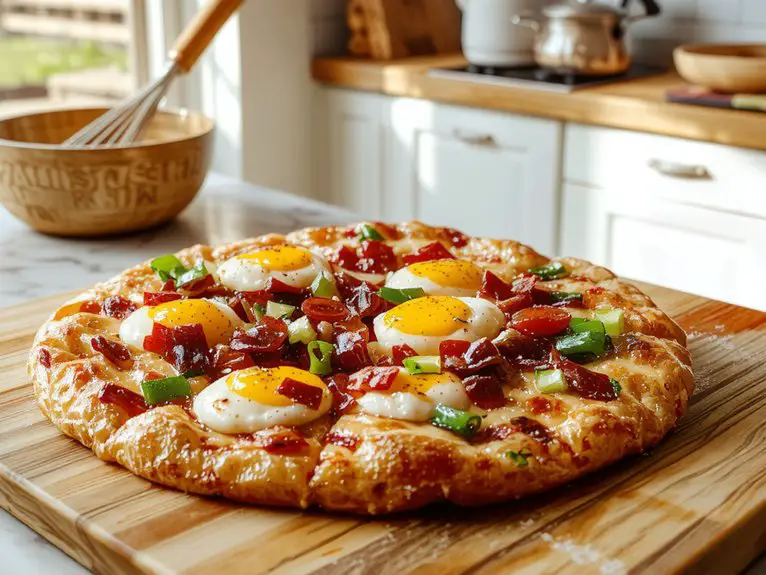
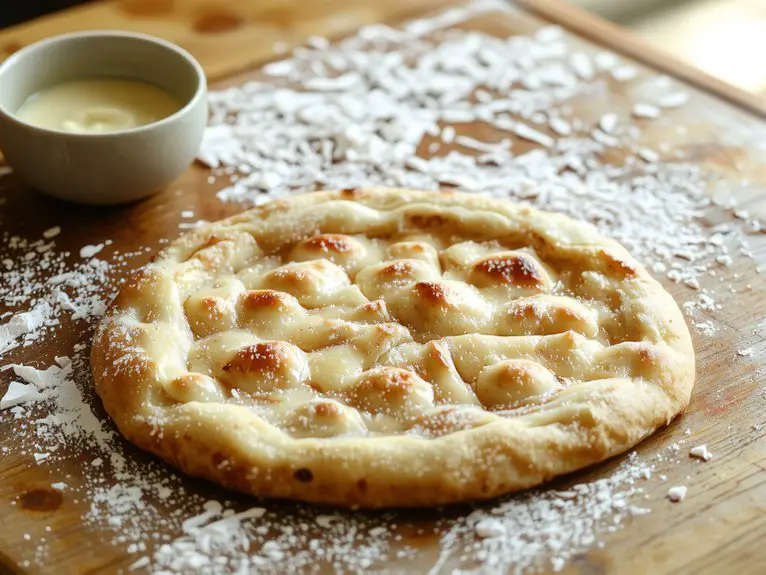
There’s nothing quite like the magic of homemade sourdough pizza crust—crispy on the outside, chewy on the inside, with that irresistible tang only a good sourdough starter can deliver. Forget delivery; once you taste this crust, you’ll never go back.
The secret? A slow, overnight ferment that builds deep flavor and an airy, bubbly texture you just can’t rush. I’ve tweaked this recipe for years, and trust me, it’s foolproof—even if you’re new to sourdough.
Picture biting into a slice with that perfect crunch, topped with melty cheese and your favorite toppings, and you’ll understand why this is the only pizza crust recipe you’ll ever need. Let’s get baking!
Ingredients
Creating the perfect sourdough pizza crust starts with the right ingredients. The magic lies in the simplicity and quality of what you use. Here’s what you’ll need to craft a crust that’s crispy on the outside, chewy on the inside, and bursting with flavor.
Pro tip: Opt for organic flour and filtered water—they make a noticeable difference in fermentation and texture.
For the Dough:
- Sourdough starter (active and bubbly): This is the heart of your crust—don’t skip it. Make sure it’s fed and peaking before use.
- Bread flour (or Tipo 00 flour): Bread flour offers structure and chew, while Tipo 00 gives a silky, Neapolitan-style crust—your call!
- Filtered water: Chlorinated tap water can inhibit fermentation, so use filtered for best results.
- Sea salt: Enhances flavor and strengthens the dough—don’t skimp!
- Olive oil: Adds richness and helps with browning—use a good quality extra virgin oil.
Substitutions:
- All-purpose flour: Can work in a pinch if bread flour or Tipo 00 isn’t available, but the texture will be slightly less chewy.
- Honey or sugar (1 tsp): If your starter needs a little boost, this can kickstart fermentation.
Non-Negotiables:
- Active sourdough starter: Without it, you’re just making plain pizza dough.
- Sea salt: Table salt lacks depth—stick with sea salt for superior flavor.
Little Wins:
- Cornmeal or semolina: Dusting your pizza peel with these prevents sticking and adds a nice crunch to the crust.
- Fresh herbs or garlic: Kneading these into the dough can elevate the flavor profile—experiment!
Gather these ingredients, and you’re ready to create a sourdough pizza crust that’s restaurant-worthy and uniquely yours.
How to Make the Best Sourdough Pizza Crust Recipe
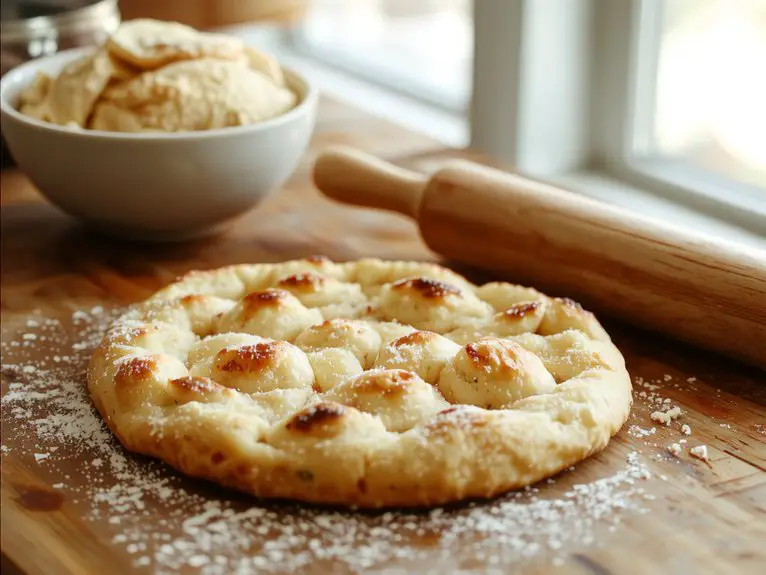
– First rise (bulk fermentation)—Cover and let dough rise at room temp for 4-6 hours, or until doubled.
For extra flavor, refrigerate overnight (up to 48 hours).
– Divide and shape—Turn dough onto a floured surface, divide into portions, and shape into balls.
Let rest 30 minutes to relax gluten for easier stretching.
– Preheat oven and baking surface—Place a pizza stone or steel in the oven and heat to 500°F (260°C) for at least 30 minutes.
A hot surface guarantees a crispy crust.
– Stretch dough gently—Use your hands or a rolling pin to shape into rounds, keeping edges slightly thicker for a puffy crust.
Avoid tearing—if dough resists, let it rest another 5 minutes.
– Top and bake—Add sauce and toppings quickly, then slide pizza onto the hot stone.
Bake 8-12 minutes until crust is golden and crisp. Rotate halfway for even browning.
– Cool briefly—Let pizza sit 2-3 minutes before slicing to prevent toppings from sliding off.
Pro Tips
- Sticky dough? Wet hands lightly when handling—no extra flour needed.
- No pizza stone? Use an inverted baking sheet preheated in the oven.
- Freeze extra dough—Wrap balls tightly; thaw overnight in the fridge before using.
Nutrition
Homemade Sourdough Pizza Crust offers a nutritious alternative to traditional pizza crust. Below is the nutritional breakdown per serving:
| Calories | Protein | Carbohydrates | Fat | Fiber | Sugar |
|---|---|---|---|---|---|
| 180 | 6g | 34g | 2g | 2g | 1g |
Chef Tips
When making sourdough pizza crust, I always recommend starting with an active starter that’s bubbly and at its peak.
Let the dough ferment slowly for better flavor and texture—overnight in the fridge works best.
Roll it thin for a crispy crust or leave it thicker for a chewy bite.
Preheat your oven and baking surface as hot as possible to mimic a pizza oven’s heat.
Frequently Asked Questions
Can I Use Whole Wheat Flour Instead of All-Purpose Flour?
Yes, I can use whole wheat flour instead of all-purpose flour, but I’ll need to adjust the hydration since it absorbs more water. I might also mix it with all-purpose flour for a lighter texture.
How Do I Store Leftover Sourdough Pizza Crust?
I wrap my leftover sourdough pizza crust tightly in plastic or foil, then pop it in an airtight container. It keeps in the fridge for 3 days or the freezer for up to a month.
Can I Freeze the Dough for Later Use?
Yes, you can freeze the dough for later use. I wrap mine tightly in plastic, then place it in a freezer bag. When ready, I thaw it overnight in the fridge before shaping and baking. Works perfectly every time!
What Toppings Pair Best With Sourdough Crust?
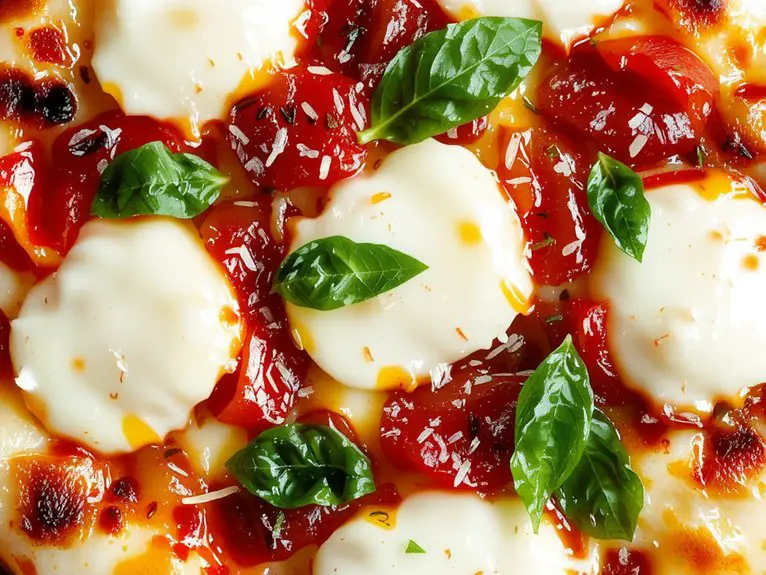
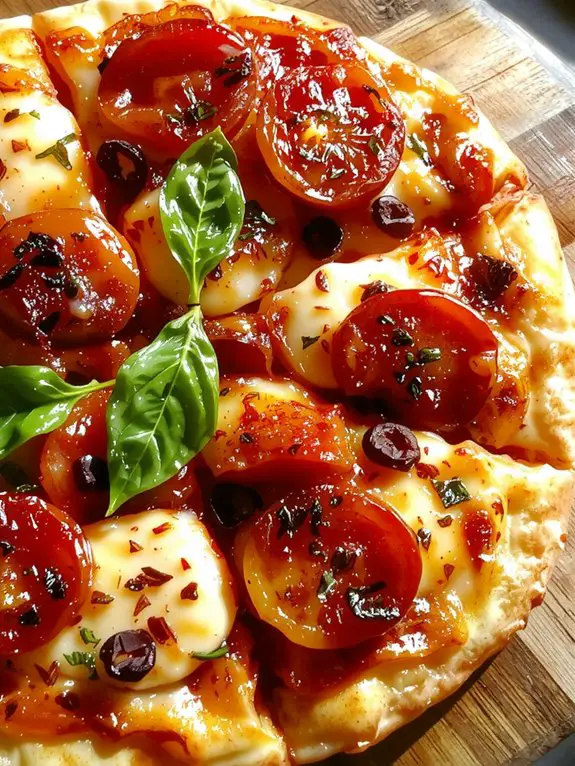
I love pairing sourdough crust with simple, bold flavors—try fresh mozzarella, basil, and cherry tomatoes for a margherita, or go for caramelized onions, goat cheese, and arugula. The tangy crust balances rich or acidic toppings perfectly.
How Do I Know if My Sourdough Starter Is Active Enough?
I check if my sourdough starter doubles in size after feeding, often within 4-8 hours. It’s active if it’s bubbly, smells tangy, and passes the float test—a small piece floats in water.